
Asobo Studio, now celebrated for its "A Plague Tale" series, has a fascinating and extensive history within the video game industry. While many perceive them as a recent success story, their journey spans decades, characterized by a diverse portfolio that includes numerous licensed game adaptations. This trajectory underscores a significant evolutionary path, transforming them from a developer of tie-in titles into a creator of critically acclaimed, narrative-rich original works. Their current ambitious project, "Resonance: A Plague Tale Legacy," a modern action game, signifies a bold new direction while building on the cinematic storytelling prowess they've cultivated over the years, a skill arguably refined through their earlier work on various movie adaptations.
The studio's progression offers a unique insight into how practical experience, even from projects not initially aimed at critical prestige, can lay the groundwork for future triumphs. Their early work, including adaptations of beloved animated films, provided a fertile ground for experimenting with storytelling, character animation, and environmental design within established cinematic frameworks. This foundational period, though often overlooked, was crucial in shaping their identity and capabilities, eventually enabling them to craft the intricate worlds and compelling narratives that define their recent successes. This evolution serves as a testament to the idea that every project, regardless of its initial scope or reception, contributes to a studio's growth and eventual mastery of its craft.
The Evolution of Asobo Studio: From Licensed Beginnings to Narrative Mastery
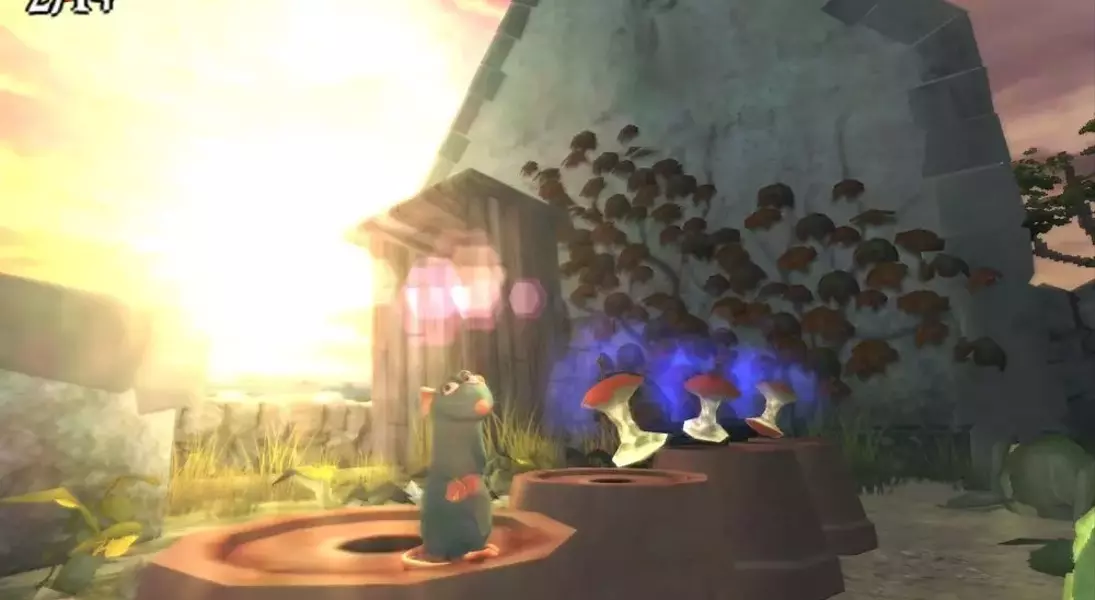
Asobo Studio, founded in 2002, embarked on its journey in the gaming world not with grand, original ambitions, but by navigating the then-flourishing landscape of licensed games. Emerging from the remnants of Kalisto Entertainment, their initial projects, like the unusual "Super Farm" and the less successful "Special Forces: Nemesis Strike," did not immediately hint at their future renown. However, the studio quickly found its footing in adapting various franchises, developing games based on children's shows and, most notably, forging a significant relationship with Pixar. This period, spanning from 2007 to 2012, saw them co-developing titles for beloved films such as "Ratatouille," "WALL-E," "Up," and "Toy Story 3," a crucial phase in their development where they began to hone the cinematic storytelling and detailed animation that would later become their hallmark.
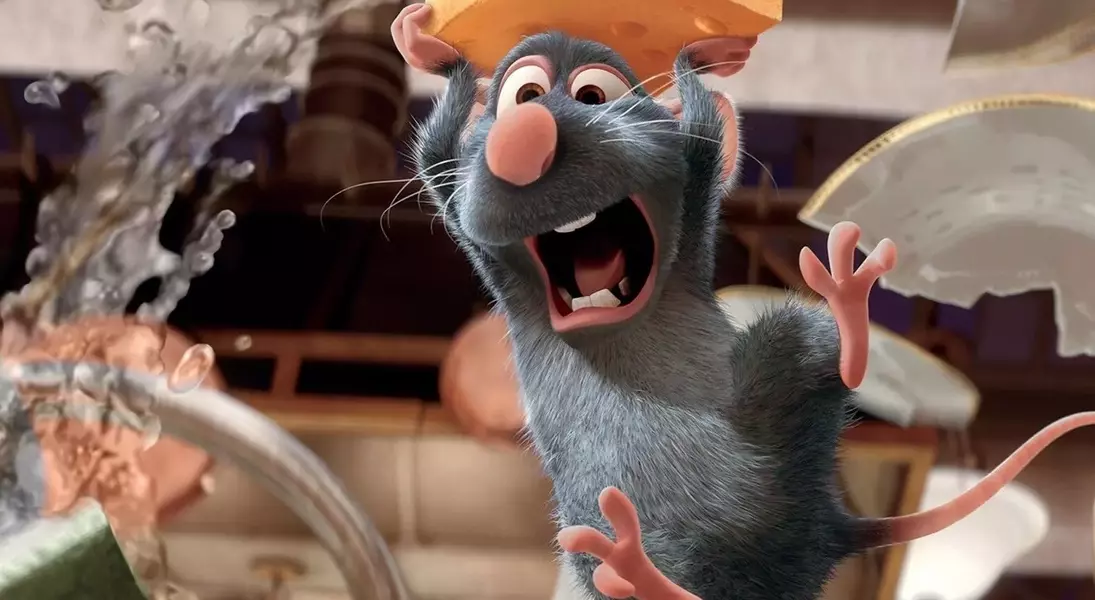
This era of licensed game development proved to be a crucible for Asobo Studio, allowing them to refine their technical and creative skills. Projects like "Ratatouille," despite being movie tie-ins, showcased a surprising level of effort in areas such as character animation and environmental design, even earning industry accolades. The necessity of working within established narrative and visual frameworks, coupled with the pressure of high-profile intellectual properties, pushed the studio to develop a versatile toolset. They later expanded this experience by assisting on major titles like "Quantum Break" and contributing to games such as "Fuel," "Recore," and "The Crew 2," diversifying their expertise across different genres and technical demands. This gradual accumulation of skills and experiences, from children's games to support roles in larger productions, was instrumental in preparing them for their breakthrough with "A Plague Tale: Innocence," demonstrating a clear progression toward their current esteemed position in the industry.
Asobo's Cinematic Journey: Laying the Groundwork for "A Plague Tale"
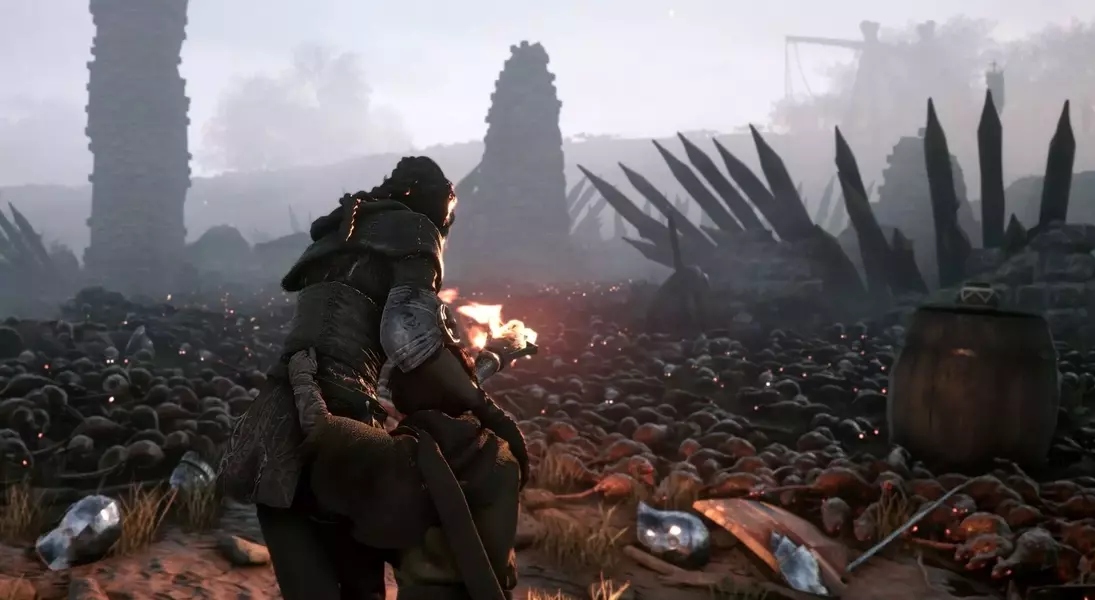
The remarkable cinematic qualities and compelling narrative depth of Asobo Studio's "A Plague Tale" series can be directly traced back to their extensive history in creating licensed games. While their early work on titles such as "Ratatouille" might seem disparate from the dark, emotional intensity of "A Plague Tale," these projects were foundational in developing the studio's ability to craft immersive, story-driven experiences. Working with established film narratives, voice casts, and visual styles compelled Asobo to pay meticulous attention to elements like camera framing, environmental storytelling, and character expressiveness. The detailed animation of characters like Remy in their "Ratatouille" adaptation, for instance, foreshadowed their later success in bringing nuanced emotional performances to characters like Amicia and Hugo in "A Plague Tale." This hands-on experience, often under tight deadlines and creative constraints, inadvertently built the robust capabilities needed for their future original endeavors.
The transition from licensed properties to original, mature narratives was not sudden but a culmination of years of dedicated craft. Asobo Studio's journey through various support roles and diverse game projects after their licensed game period further enriched their technical and creative repertoire. This blend of experience, from mastering cinematic adaptations to contributing to complex AAA titles, ultimately empowered them to deliver "A Plague Tale: Innocence" in 2019, a game lauded for its strong adventure, poignant storytelling, and powerful performances. The subsequent success of "A Plague Tale: Requiem," which garnered multiple nominations at The Game Awards, including Game of the Year, stands as a testament to the long-term payoff of their unique development path. This trajectory highlights the often-underestimated value of licensed game development as a training ground, offering studios a crucial pipeline for growth and innovation that, in Asobo's case, led to profound artistic and commercial success.
