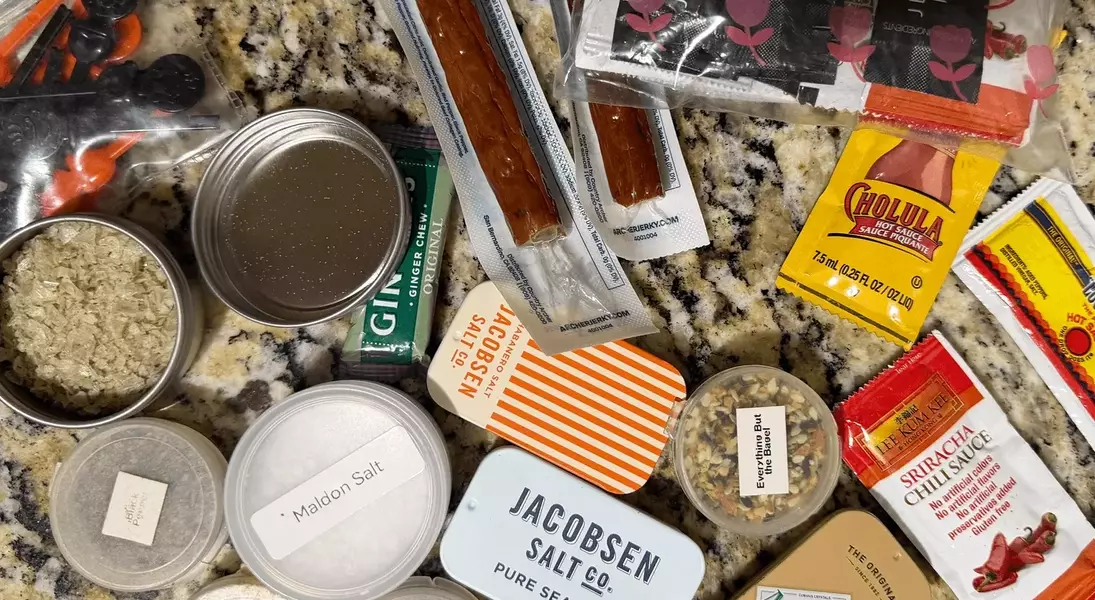
In an age where personal preferences dominate, the concept of customizing one's meal extends beyond menu modifications to the very condiments brought to the table. Julia Coney, a celebrated wine consultant and journalist, exemplifies this trend with her meticulously curated travel seasoning kit. This comprehensive collection, housed in Muji containers and labeled as "EMERGENCY SNACKS," features an array of finishing salts, unique chili oils, specialty hot sauces, and Dijon mustard, all carefully selected to combat blandness on the go. Her commitment to flavor is such that she doesn't hesitate to deploy her kit even in upscale restaurants, driven by a desire for precise taste experiences.
This individualistic approach to dining isn't isolated; a social media survey revealed a widespread practice among diners, including chefs, of carrying personal seasonings. From miniature Tajin bottles to various salts and hot sauces, people are increasingly keen to augment their meals. This phenomenon reflects a broader fascination with spices and condiments, spurred by an industry eager to cater to diverse palates. However, this raises a pertinent question: Is it appropriate to introduce external seasonings into a restaurant setting? While some chefs, like Jonathan McDowell of FORTH Hotel, suggest exercising discretion in fine dining to respect the establishment's culinary integrity, others, such as Matthew Dion of Lowland, acknowledge guests' desires for additional flavor and encourage communication with staff to explore house-made alternatives.
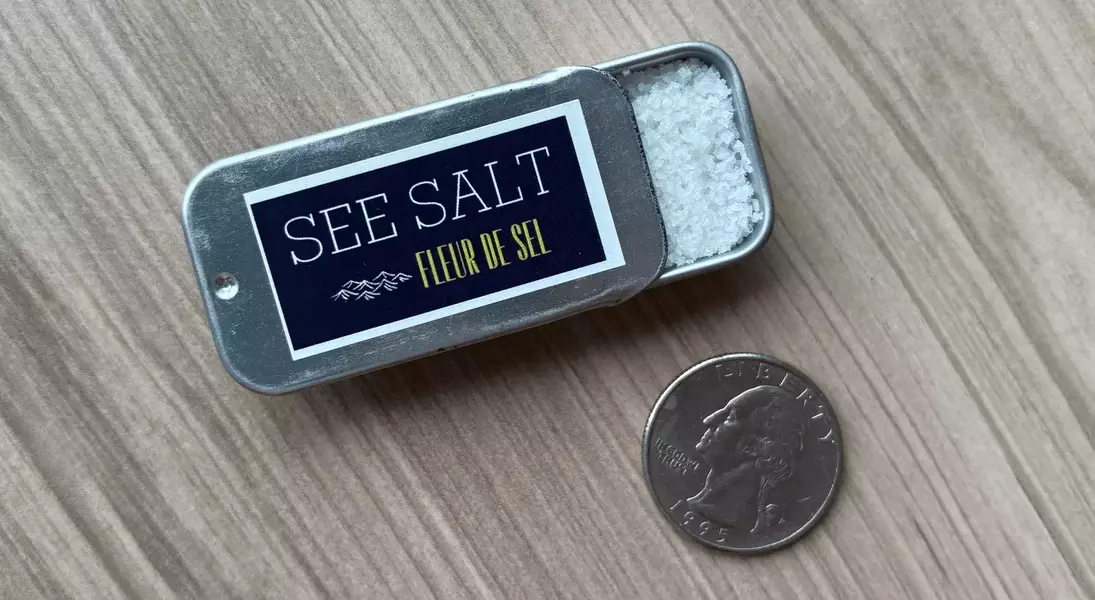
Ultimately, the decision to use personal seasonings in a restaurant is a delicate balance between personal enjoyment and culinary respect. Diners like Coney often inquire about the availability of specific ingredients, like Maldon salt, before reaching for their own, demonstrating consideration for the chef's craft. Chef Cecil Rodriguez, known for his bold approach to seasoning, emphasizes that with hundreds of diners served daily, it's impossible to perfectly cater to every palate. He proudly uses his portable sea salt, asserting that enhancing a dish to one's liking is not an offense but a pursuit of optimal flavor, a sentiment shared by many who believe a touch more salt can transform a good meal into an exceptional one.
The act of bringing one's own seasoning to a meal, though seemingly small, highlights a deeper connection to food and a commitment to personal enjoyment. It underscores the evolving relationship between diners and chefs, moving towards a more collaborative and personalized culinary experience. This trend reflects a broader appreciation for flavor diversity and an empowered approach to dining, where individual taste takes center stage, enriching the dining journey for all.
