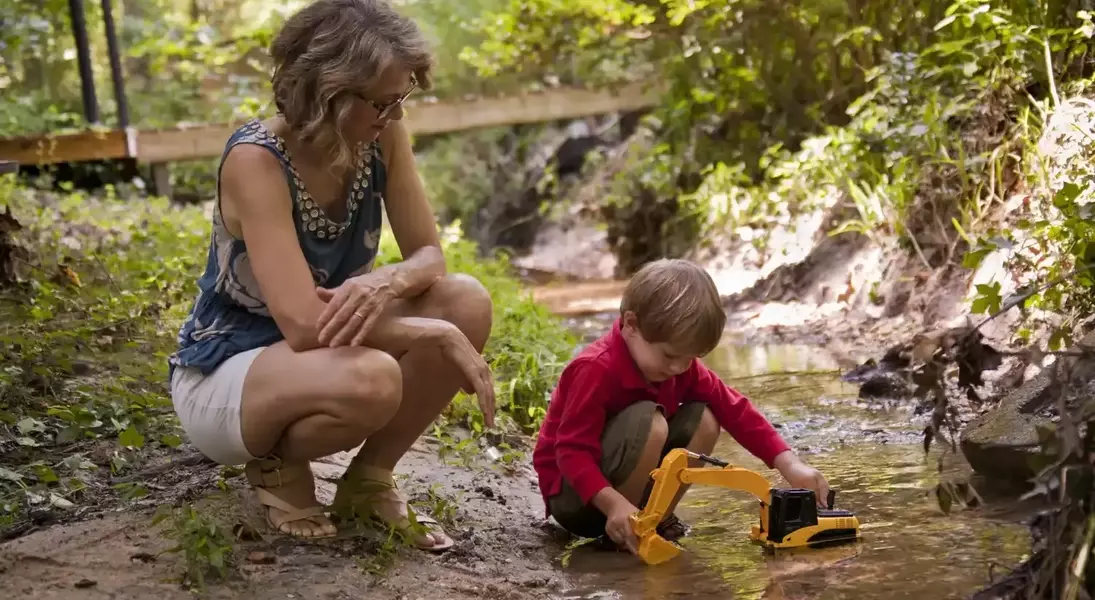
In today's fast-paced world, parents often feel immense pressure to micromanage every aspect of their children's lives. However, a growing philosophy known as "underparenting" suggests that stepping back can actually be more beneficial for a child's development. This approach, distinct from neglectful parenting, is a mindful strategy that fosters independence, problem-solving abilities, and emotional strength in children, allowing them the freedom to explore and learn from their experiences while still providing a secure emotional foundation.
This article delves into the nuances of underparenting, outlining its principles, benefits, and practical application. By giving children the autonomy to navigate challenges and embrace downtime, parents can nurture essential life skills, enhance creativity, and build a stronger, more balanced family dynamic. The core idea is to equip children with the tools to thrive independently, knowing that their caregivers remain a consistent source of support and guidance.
Embracing the Underparenting Philosophy
Underparenting represents a deliberate shift from constant parental intervention to a more hands-off approach, empowering children to develop crucial life skills. It's about providing a supportive environment where children feel secure enough to take calculated risks, make their own decisions, and learn from the outcomes, both positive and negative. This philosophy recognizes that true growth often happens outside the comfort zone of constant supervision, encouraging children to cultivate self-reliance and internal motivation.
Expert perspectives emphasize that this method is not about abandoning parental duties but rather about refining them. It involves carefully discerning when to offer guidance and when to allow children the space to figure things out for themselves. This mindful approach aims to build a child's intrinsic confidence and competence, rather than fostering dependence on external direction. It also recognizes the value of unstructured time, which can be a catalyst for creativity and self-discovery.
Cultivating Independence and Resilience through Underparenting
The intentional practice of underparenting allows children to develop vital attributes such as problem-solving, emotional regulation, creativity, and resilience. By allowing children to encounter and overcome minor obstacles independently, they learn to think critically and understand the cause-and-effect relationship between their actions and subsequent outcomes. This process builds a robust sense of self-efficacy and adaptability, preparing them for future challenges.
Furthermore, unstructured play and moments of boredom are critical for cognitive and emotional development. When children are not constantly entertained, their brains engage in a "default mode network" (DMN) activity, which is crucial for reflection, empathy, and imaginative thought. This internal processing helps children understand their experiences, anticipate future scenarios, and develop a deeper understanding of themselves and others. Such opportunities foster a strong sense of identity, boost confidence, and contribute to a more harmonious family environment by reducing parental stress.
