





Damascus steel knives, with their captivating swirling patterns, are often considered the elite of the blade world. These modern blades are not made from historical Damascus steel but rather through a process called pattern-welding, where layers of different steels are fused, folded, and hammered to create their distinctive undulations. This intricate process requires significant skill, precision, and artistry, making them a testament to a knifemaker's expertise. Their beauty and craftsmanship contribute to their higher cost, setting them apart from mass-produced stamped blades. While offering superior strength and edge retention, they also boast a visually stunning aesthetic that appeals to professional chefs and home cooks alike. This guide delves into the various types of Damascus knives and highlights some of the best options available on the market.
The Intricate Details of Damascus Steel Knives
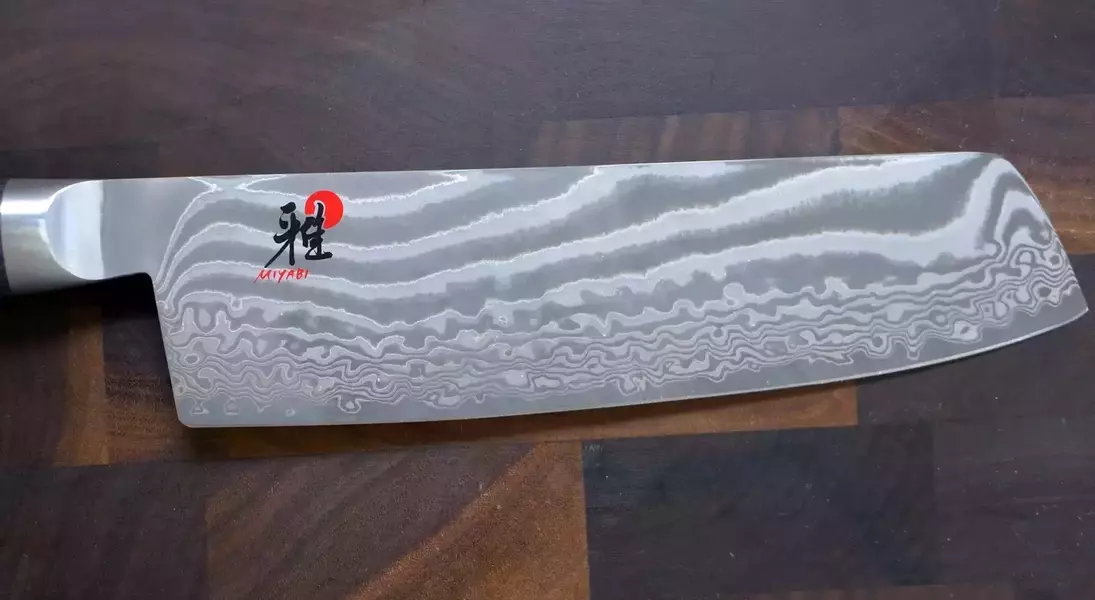
Damascus steel knives are renowned for their unique appearance, characterized by intricate wave-like patterns on their blades. This aesthetic is achieved through a meticulous process known as pattern-welding. This technique involves layering different types of steel, then force-welding, folding, and hammering them repeatedly. The result is a blade that is not only visually striking but also often boasts enhanced strength and durability. However, it's crucial to distinguish these modern Damascus-style blades from the legendary true Damascus steel of ancient times, which was known for its distinct properties derived from wootz steel. The complexity of the patterns on a modern Damascus knife is directly linked to the number of layers and folds, showcasing the knifemaker's profound skill and consistency. This labor-intensive creation process, whether by traditional artisans or contemporary manufacturers, is a primary reason for their elevated price point.
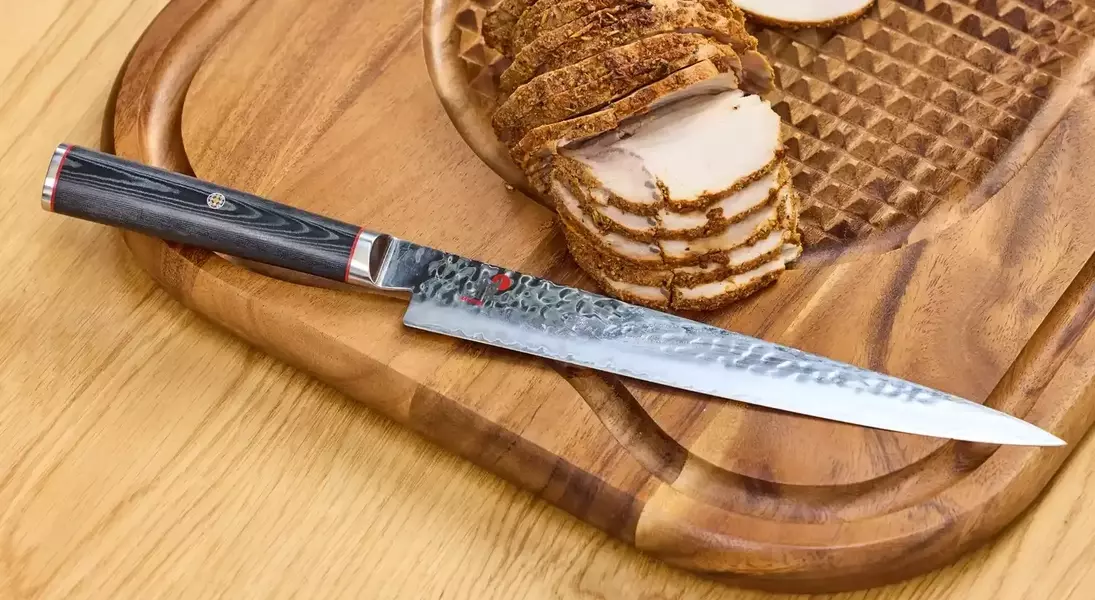
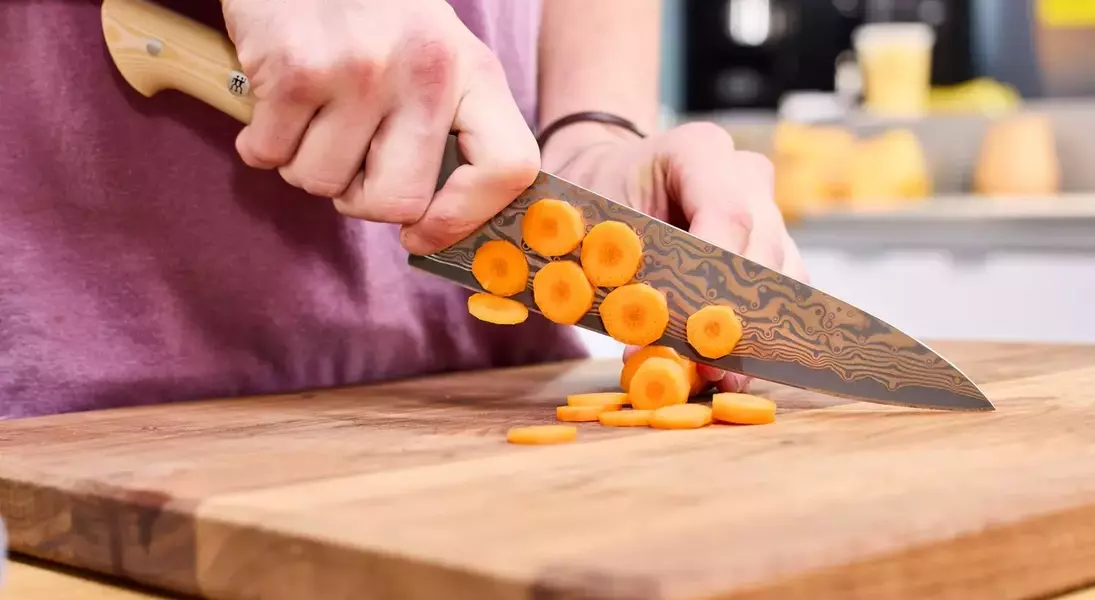
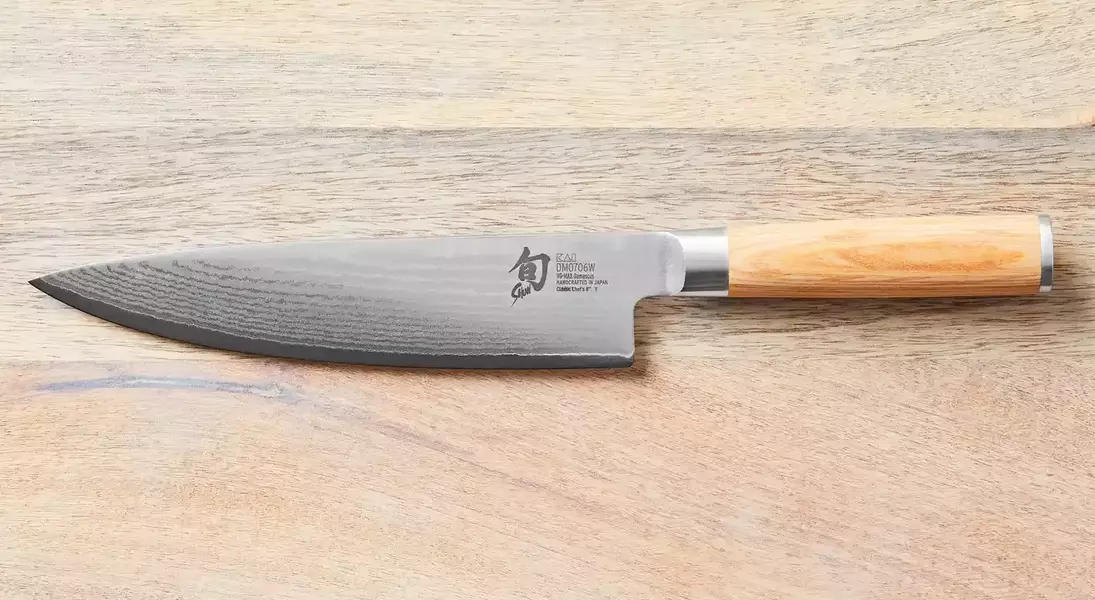
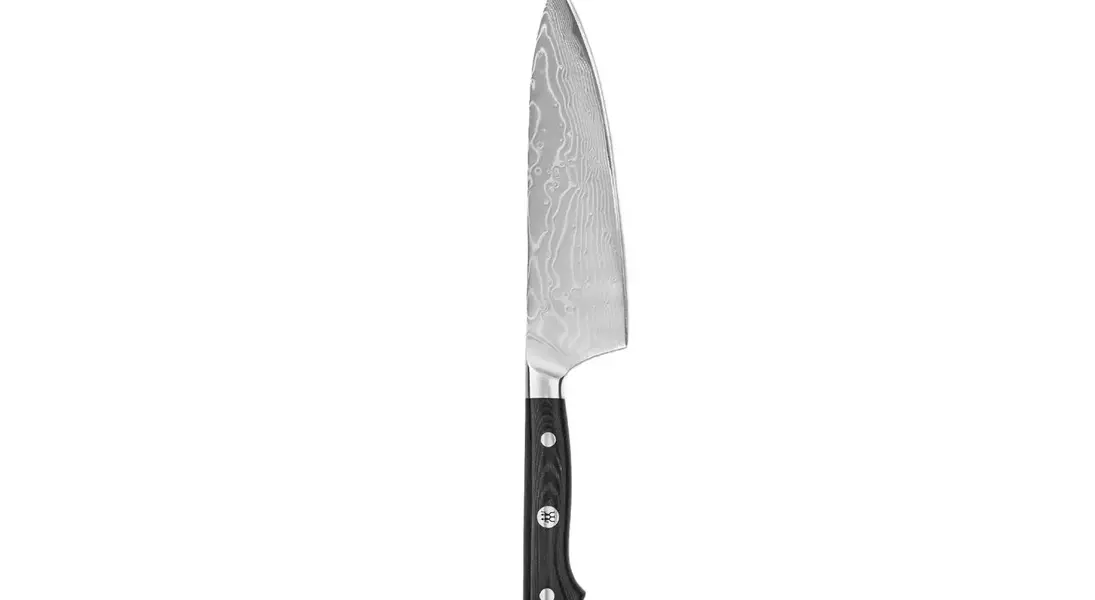
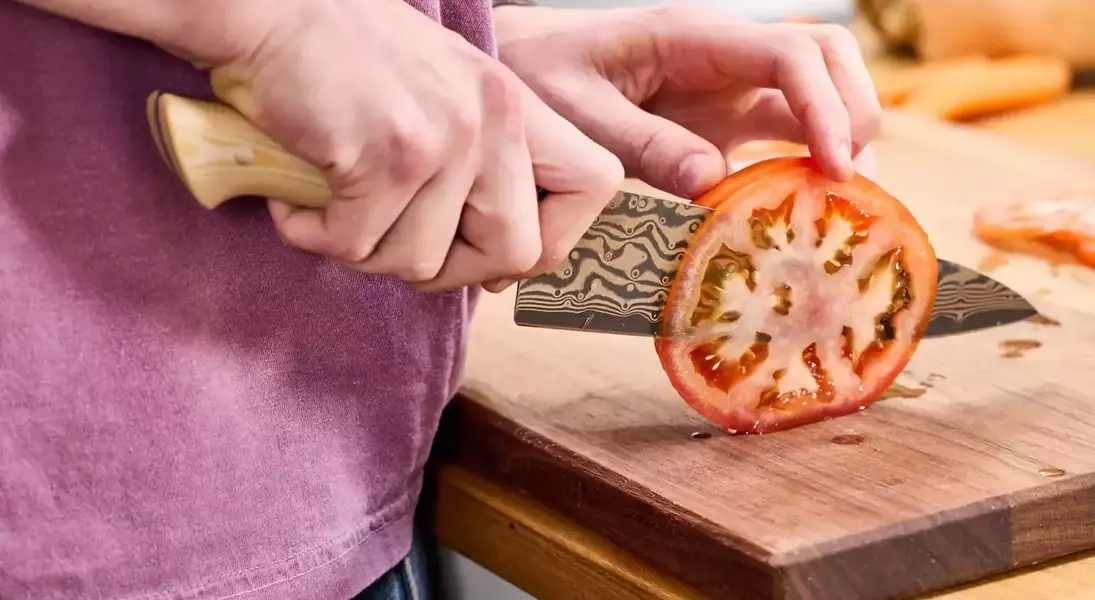
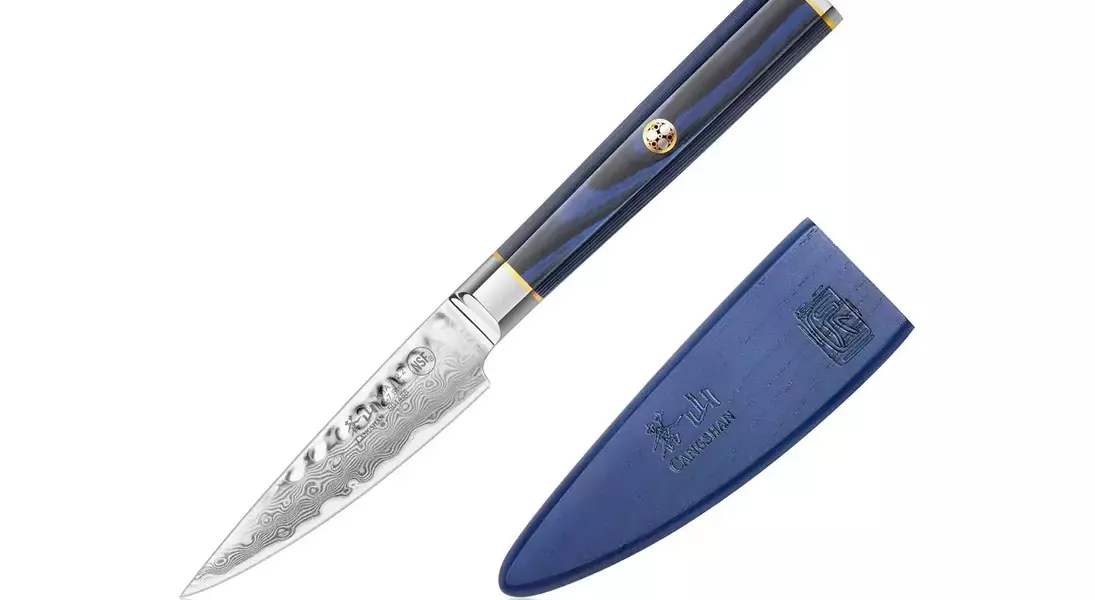
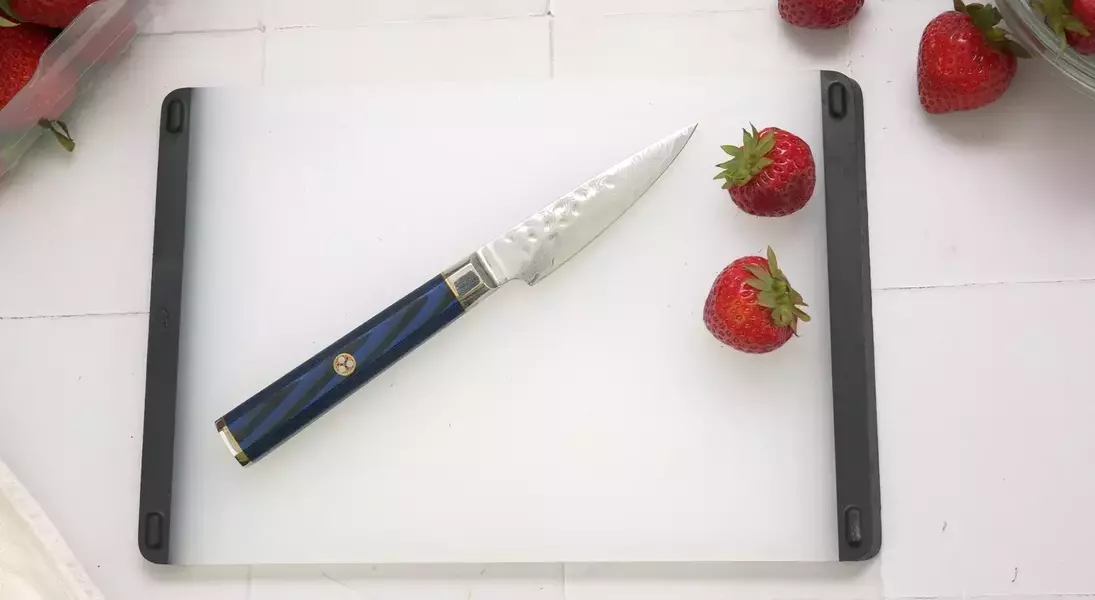
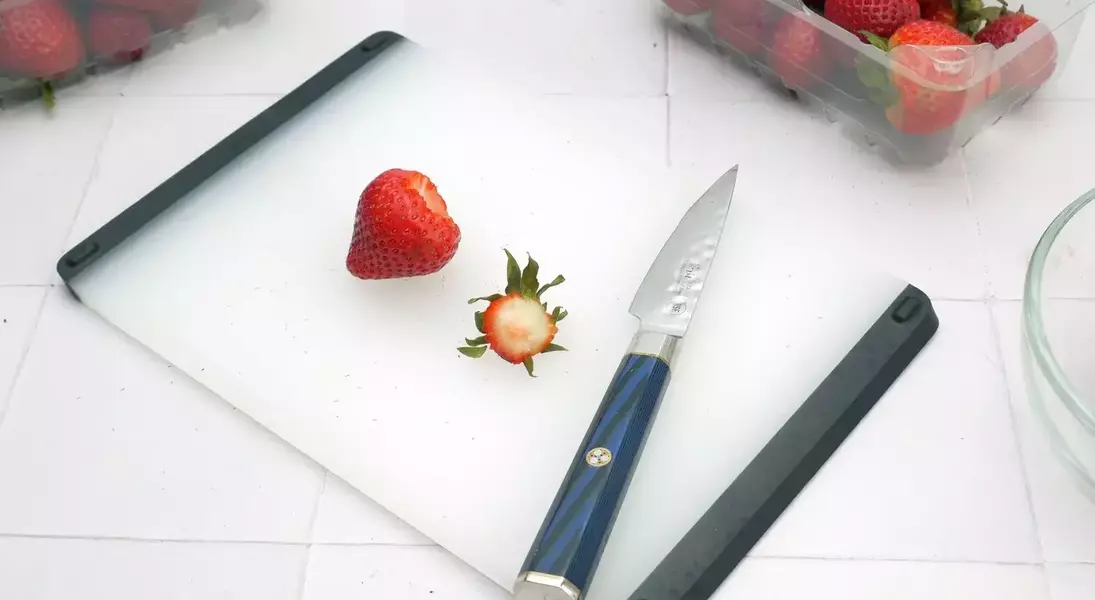
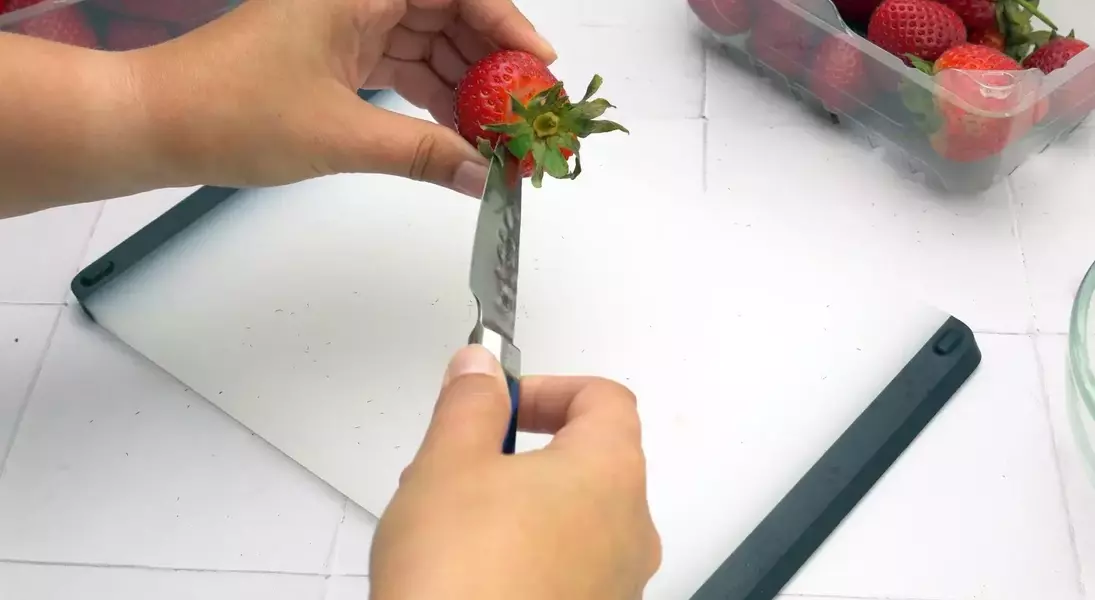
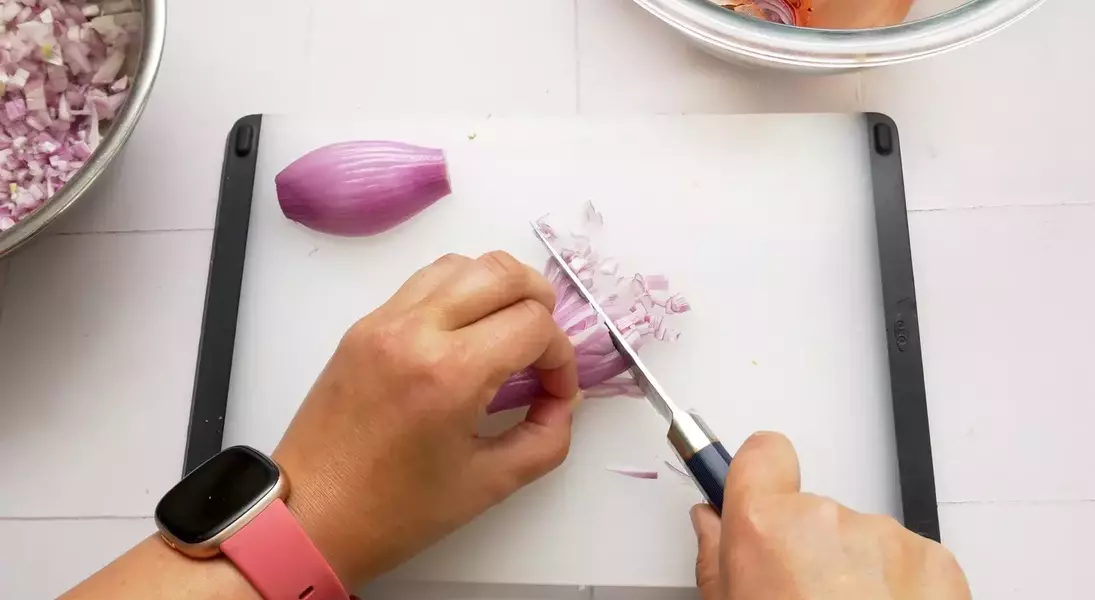
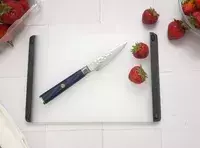
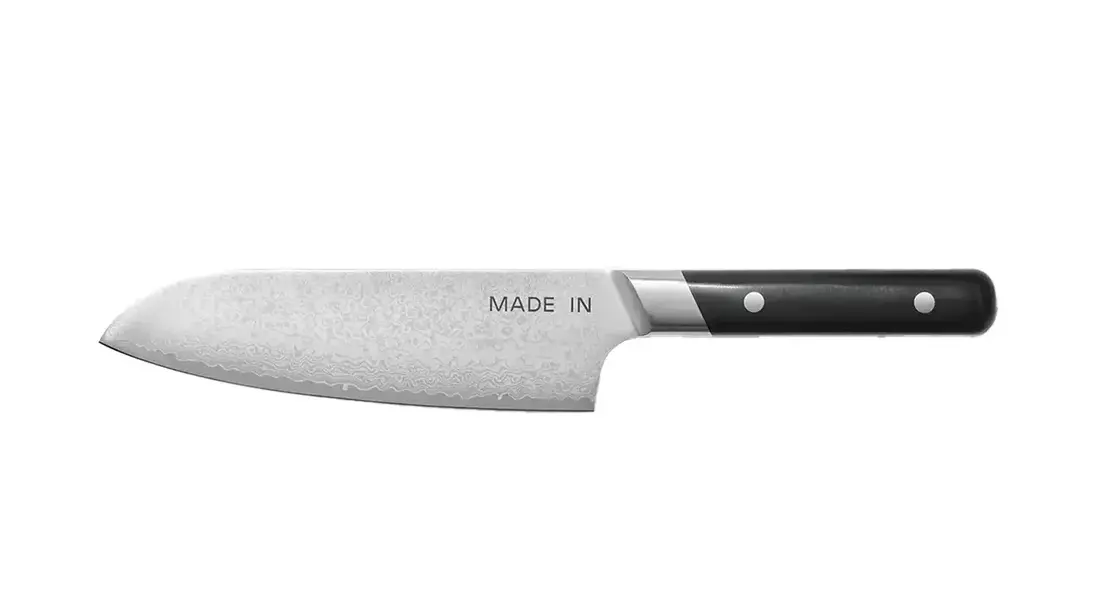
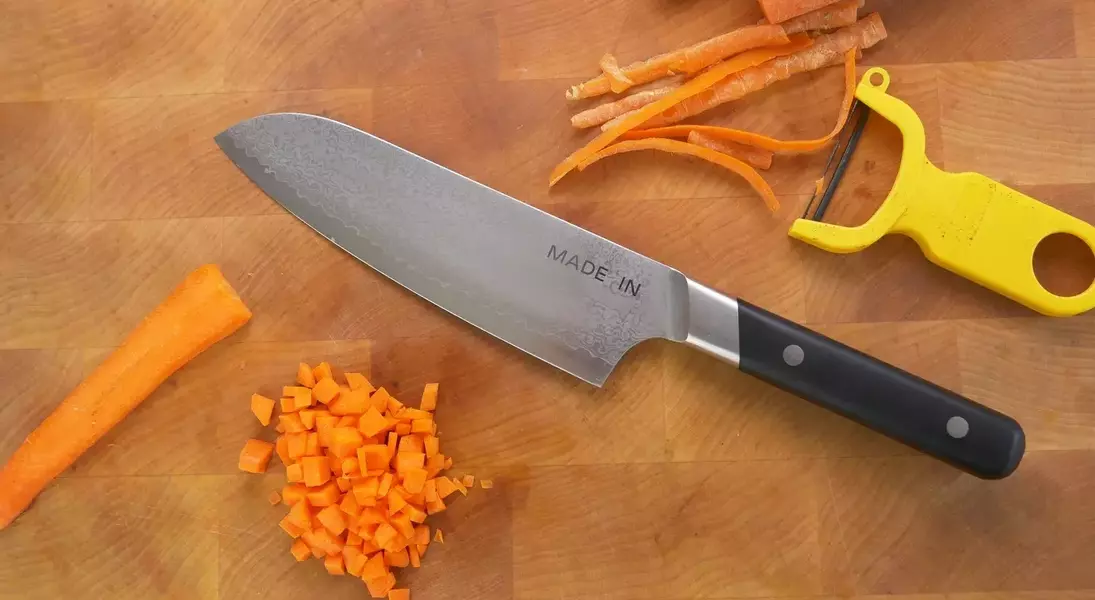
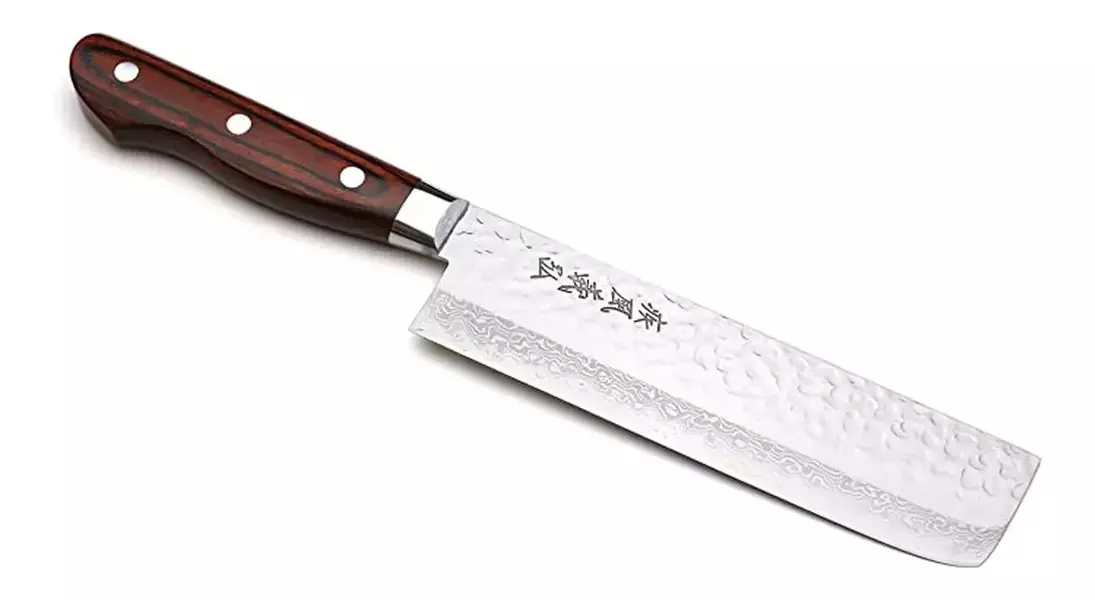
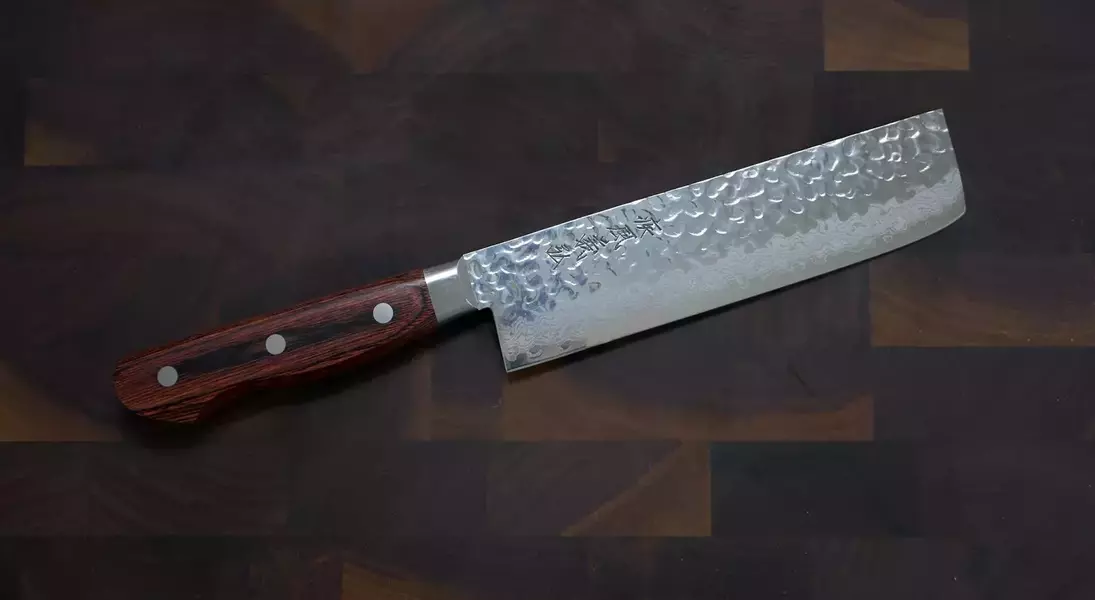
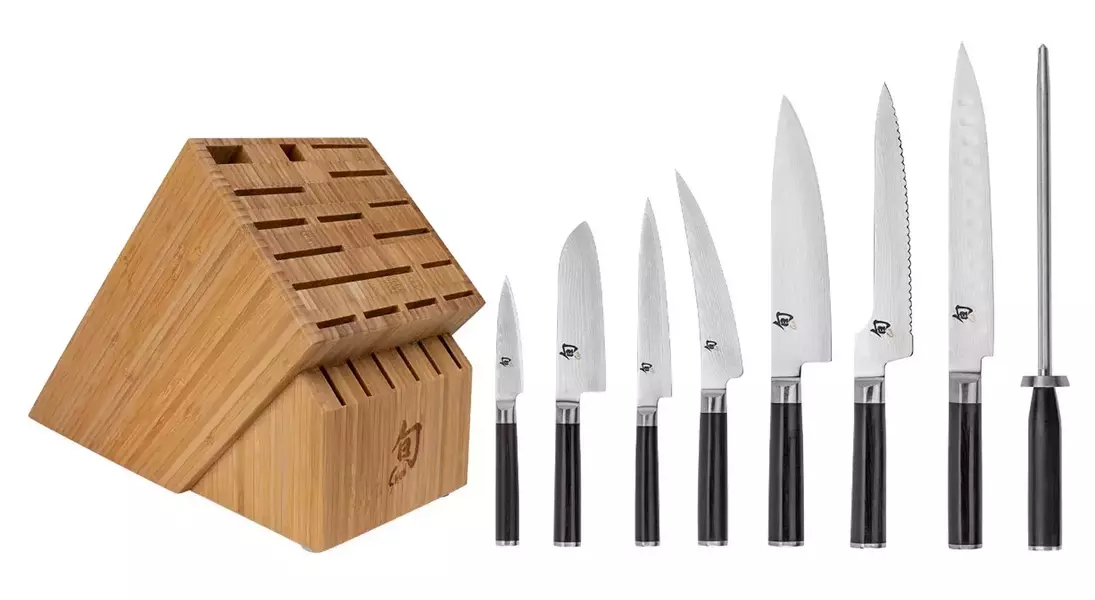
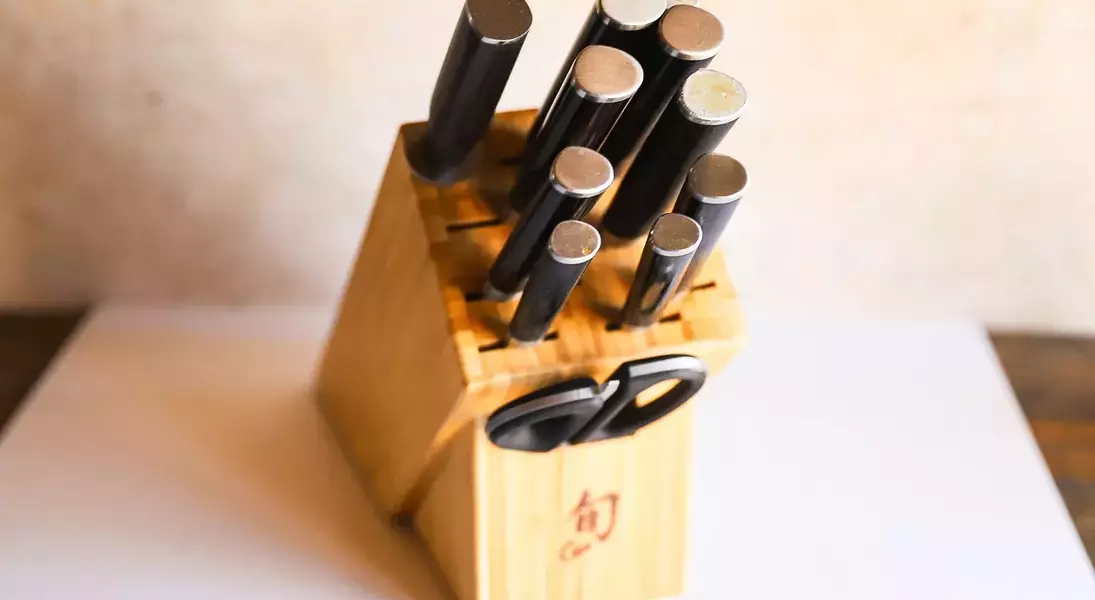
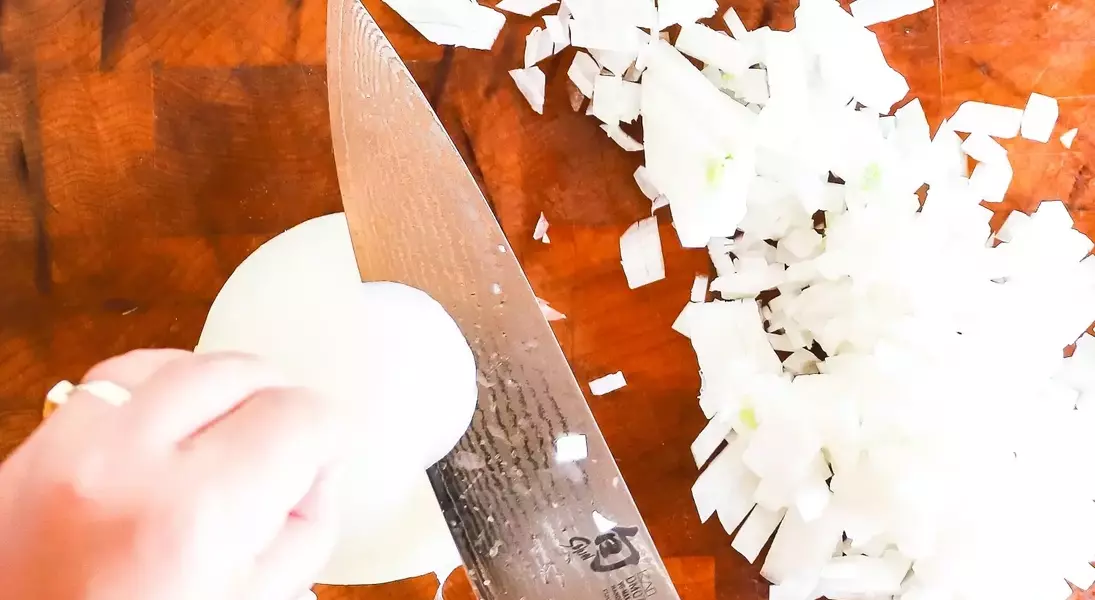
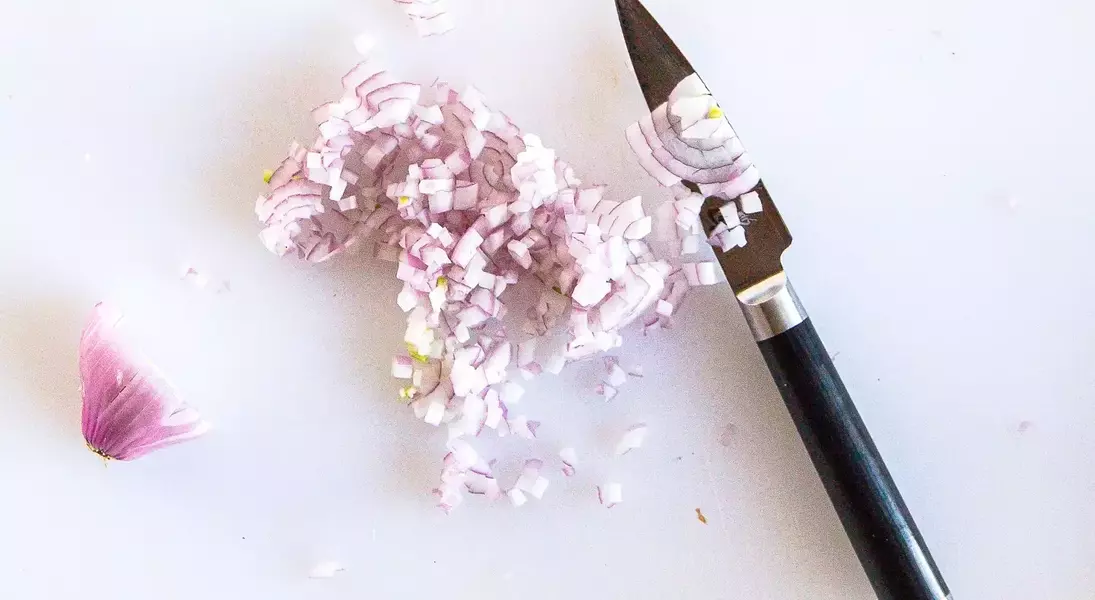
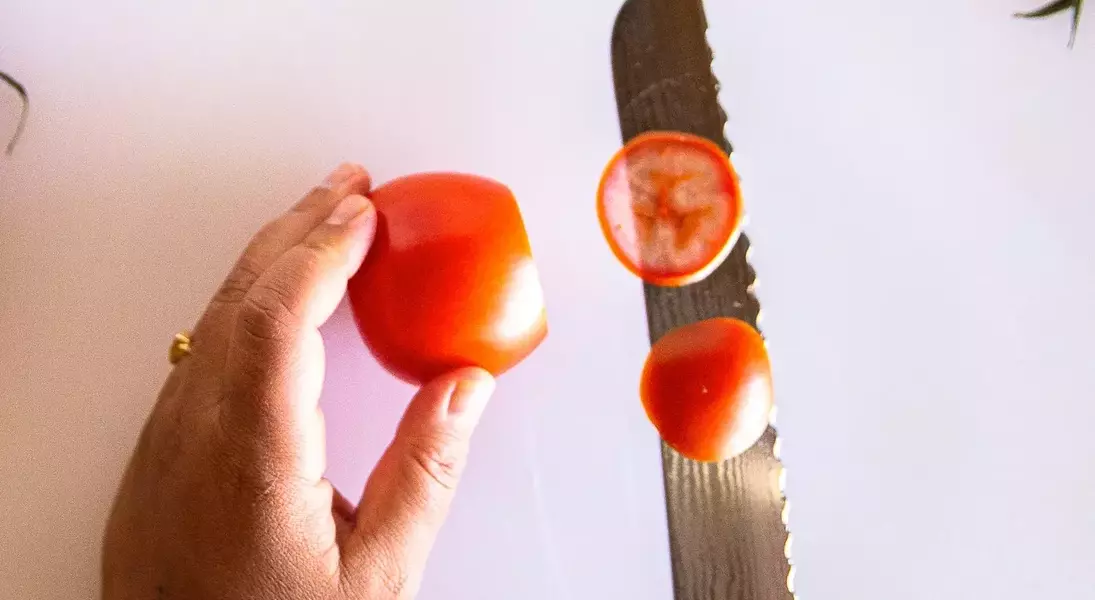
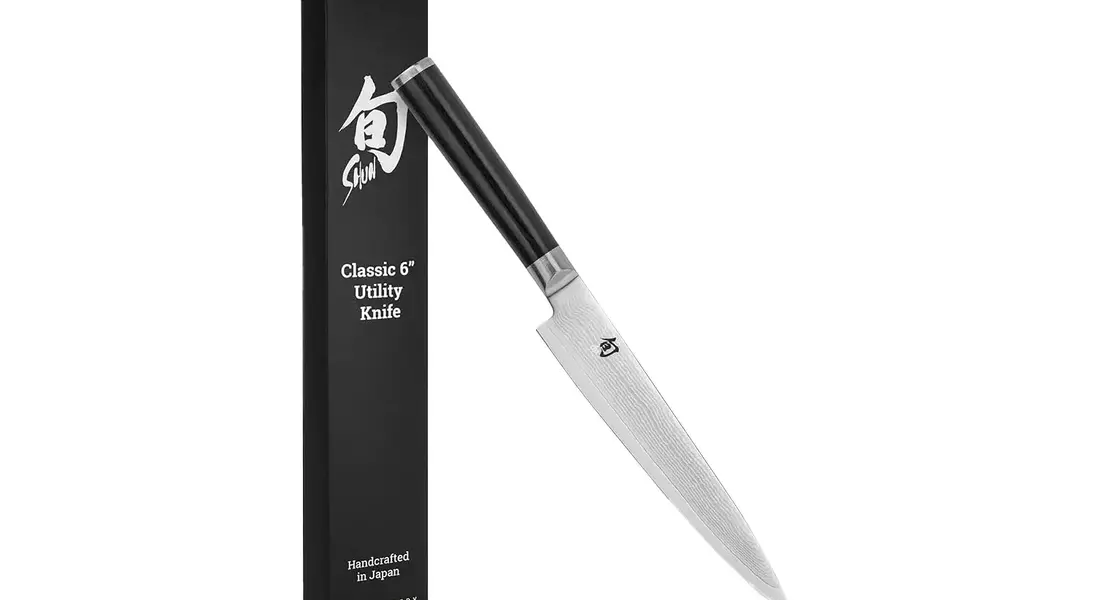
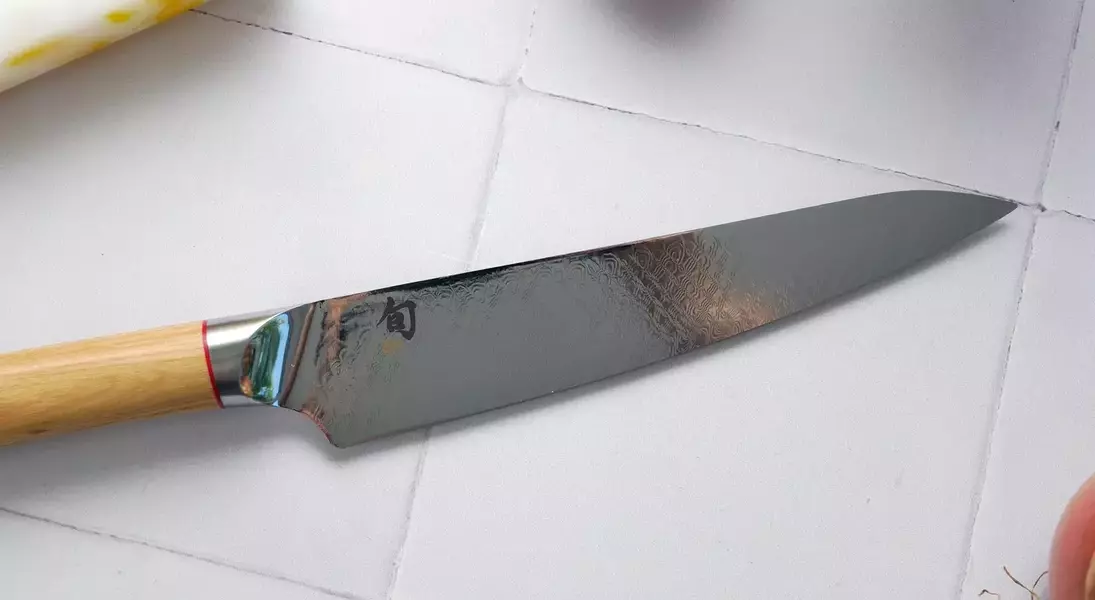
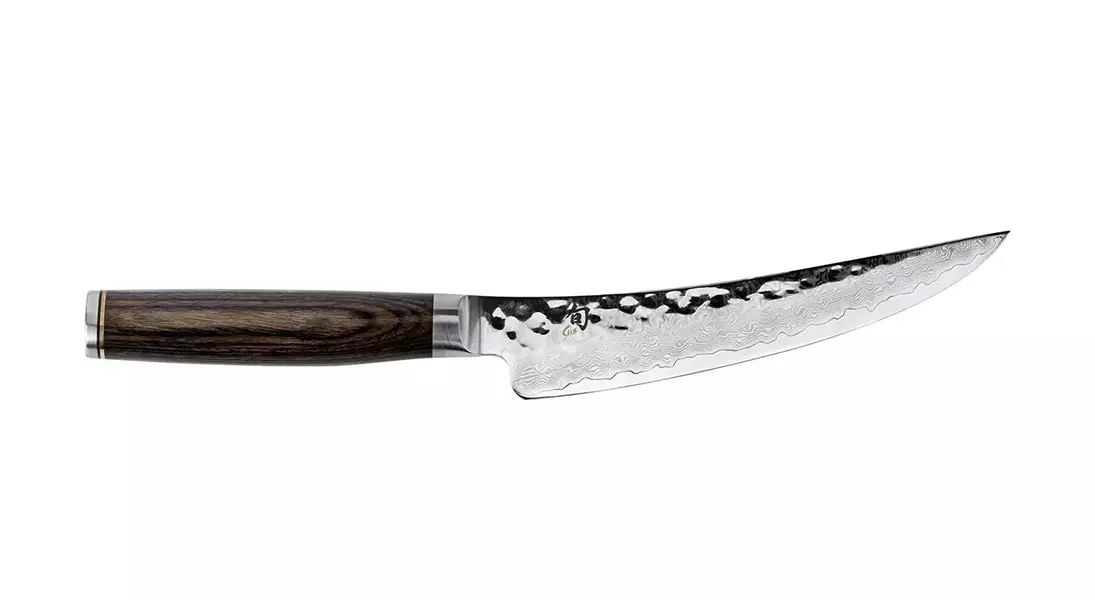
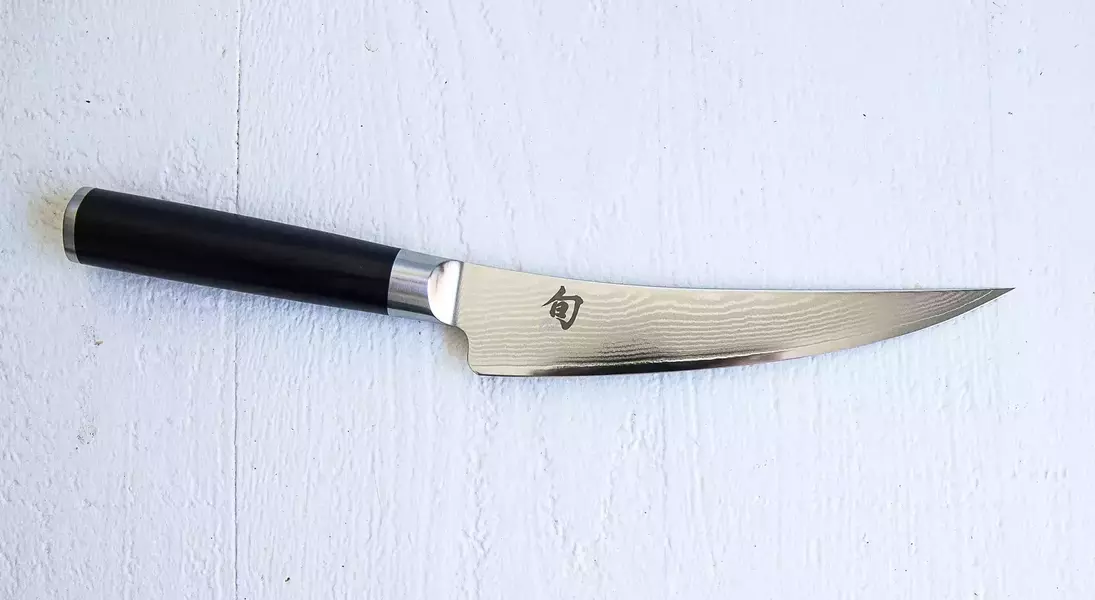
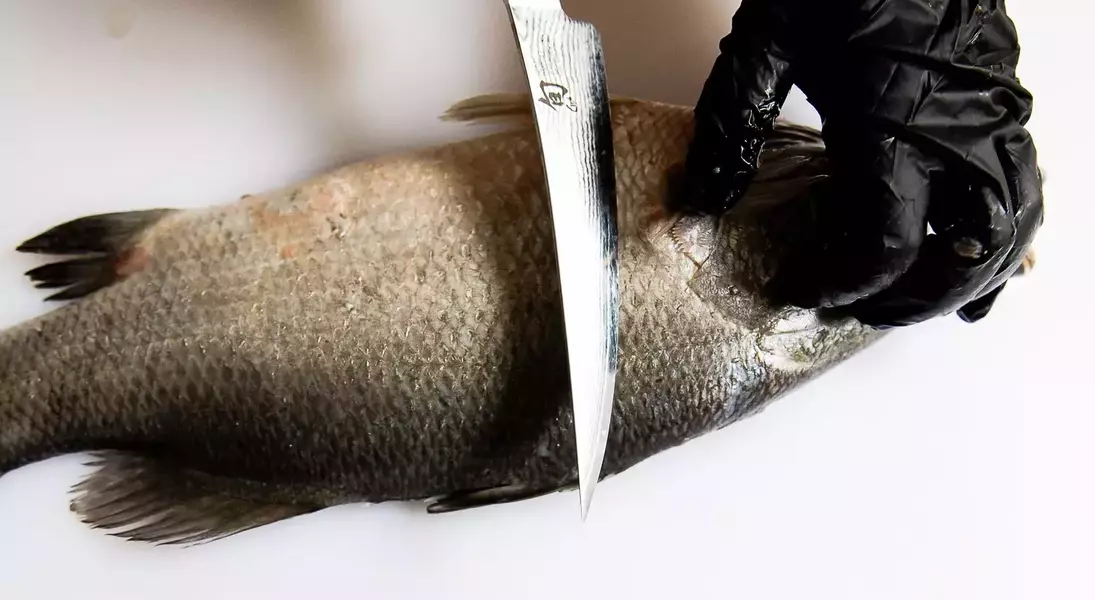
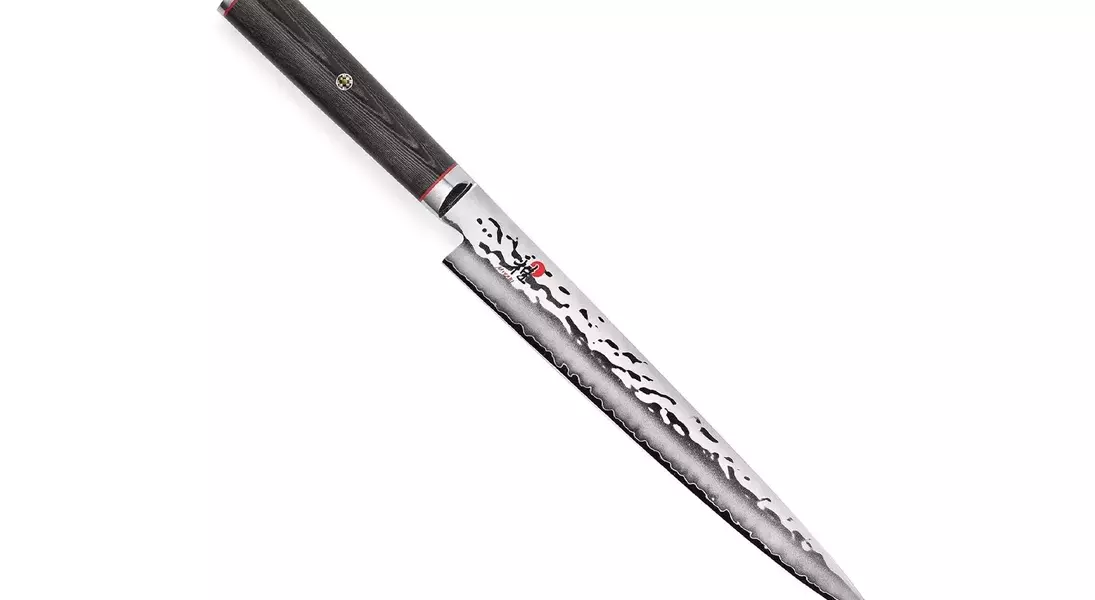
These high-quality knives are available in a variety of styles, each designed for specific culinary tasks. For example, the Zwilling Kanren 8-inch Chef's Knife stands out for its high-carbon core and stainless steel Damascus cladding, offering the sharpness of carbon steel with easier maintenance. Its rounded belly makes it ideal for rock-chopping, a common technique in professional kitchens. Another excellent choice for intricate work is the Cangshan Kita Paring Knife. Despite its substantial four-inch handle, this paring knife excels at delicate tasks such as supreme citrus, peeling shallots, and hulling strawberries. Its longer handle also makes it comfortable for chefs with larger hands. For those who frequently prepare vegetables, the Made In Japanese Damascus Steel Santoku is a top contender. This santoku knife features a finely curved blade perfect for push-slicing and rock-chopping, easily handling various vegetables and meats without losing its keen edge. Similarly, the Yoshihiro 16 Layer Hammered Damascus Stainless Steel Nakiri Vegetable Knife offers exceptional sharpness and durability, capable of mincing alliums or slicing through tough sweet potatoes with remarkable ease. For a complete collection, the Shun Classic 9-Piece Chef's Choice Knife Block Set provides a comprehensive assortment, including a chef's knife, paring knife, santoku, boning knife, slicing knife, bread knife, kitchen shears, and a honing steel, all featuring razor-sharp edges and comfortable handles. The Shun Classic 6-inch Chef's Knife, often used as a petty knife, is praised for its precision in tasks like breaking down poultry, distinguished by its blonde handle and fishscale-patterned blade. For fish enthusiasts, the Shun Cutlery Classic Gokujo 6-Inch Boning and Fillet Knife is designed to effortlessly glide through bones, fins, and scales with its curved blade that adapts to the fish's contours. Lastly, the Miyabi Mizu Slicing Knife, though a premium option, delivers ultra-thin slices of delicate items like smoked salmon and carves roasts with unparalleled precision, thanks to its unique ripped surface that prevents sticking.
In summary, while the investment in Damascus steel knives is higher, their aesthetic appeal, superior craftsmanship, and specialized functionalities make them invaluable tools for any serious cook. Proper care, including hand-washing and prompt drying, will ensure their longevity and sustained performance.
