A well-crafted cover letter is an indispensable asset in the job application process, offering a unique opportunity to introduce yourself to prospective employers and underscore your suitability for a specific role. Far from a mere formality, this personalized document acts as a strategic complement to your resume, providing context and highlighting key qualifications that directly align with the job’s requirements. Tailoring each letter to the particular position and company demonstrates diligence and genuine interest, significantly boosting your chances of moving forward in the hiring process. This guide delves into the various forms cover letters can take, outlines effective strategies for drafting them, and offers crucial advice to help your application distinguish itself in a competitive job market.
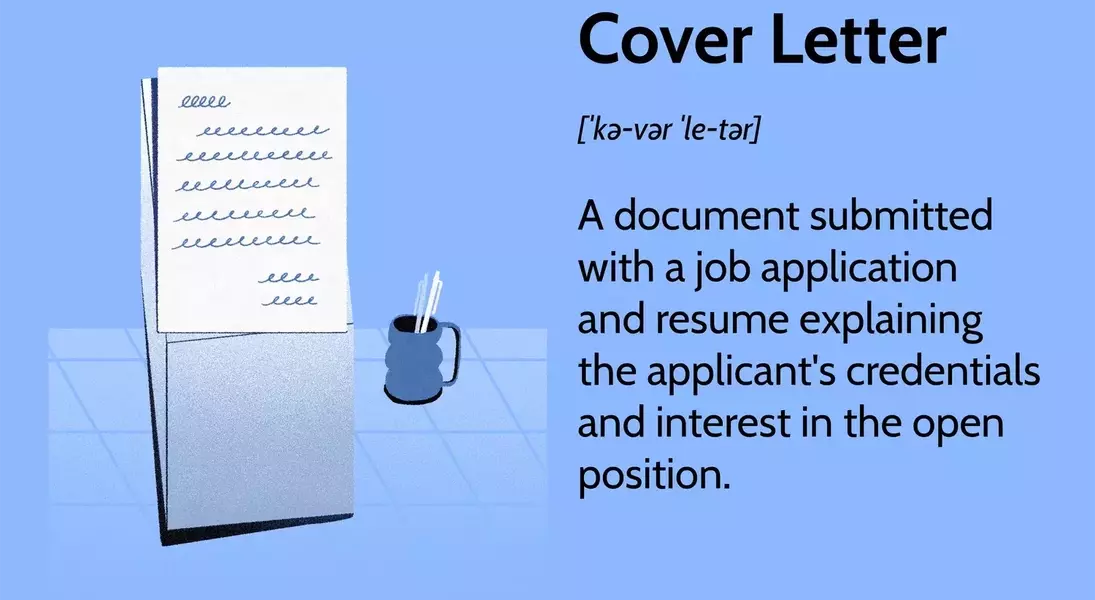
A cover letter functions as your initial introduction to a prospective employer, emphasizing your qualifications and interest in a particular position. It works in conjunction with your resume to present a comprehensive overview of your professional profile. While a resume primarily lists your academic background and work history, the cover letter provides a platform to elaborate on why you are the ideal candidate for the role, allowing you to showcase your personality and professional aspirations. Its purpose is to personalize your application, making a strong first impression that can differentiate you from other applicants and pave the way for an interview.
Today’s job market is largely digital, with many applications submitted online via email or through company portals. This shift has made the cover letter even more vital. Recruiters often sift through numerous applications, and a compelling cover letter can capture their attention, prompting them to give your resume a closer look. Career counselors frequently advise job seekers to customize each cover letter to the specific job advertisement. This personalized approach, though time-consuming, demonstrates a thorough understanding of the role and the company, signaling to employers that you are not just sending out generic applications but are genuinely invested in the opportunity.
Cover letters also offer a space to articulate aspects of your professional identity not easily conveyed in a resume. This includes sharing your career objectives, the depth of your expertise, your passion for the industry, and how your skills and achievements align with the company's culture and values. Ideally, a cover letter should be a concise, single-page document that succinctly communicates your unique value proposition. It should reflect your ability to understand and follow instructions, especially if the job posting specifies particular requirements. Ignoring these details can inadvertently signal a lack of attention, potentially undermining an otherwise strong application.
Cover letters can be broadly categorized into three main types, each serving a distinct purpose in the job search. The most common is the application cover letter, which is written in response to an advertised job opening. This type of letter directly addresses the requirements outlined in the job posting, highlighting how your experience and skills make you a suitable candidate. A referral cover letter is similar but includes the name of someone who recommended you for the position, leveraging an existing connection to give your application an edge. Lastly, a prospecting cover letter, or letter of inquiry, is sent to companies where you are interested in working, even if no specific vacancy has been advertised. This proactive approach aims to inquire about potential opportunities and showcase your qualifications speculatively.
To ensure your cover letter is effective, several key elements must be considered. Always personalize your letter by addressing it to the hiring manager by name. If the name is not provided, take the initiative to find it or use a professional salutation like “Dear Hiring Manager.” Clearly articulate your skills and accomplishments, using quantifiable achievements where possible to demonstrate your impact. For instance, instead of merely stating you have marketing experience, specify how you increased client acquisition or revenue. This level of detail makes your application more compelling and memorable. Importantly, avoid merely rephrasing your resume; instead, use the cover letter to expand on relevant points and connect them directly to the needs of the employer.
Conciseness is paramount. Most hiring professionals spend only a short time reviewing each cover letter, so a lengthy essay is likely to be overlooked. Aim for a maximum of one page, comprising a few focused paragraphs. Each paragraph should convey specific information about your suitability for the role and your interest in the company, avoiding irrelevant personal details or generic statements. Furthermore, meticulous proofreading is essential. Typos, grammatical errors, or inconsistencies in formatting can create a negative impression, suggesting a lack of attention to detail. It is advisable to have another person review your letter to catch any overlooked mistakes. Finally, while creativity in design can help your letter stand out, ensure it remains professional and reflects your personal brand without being distracting.
