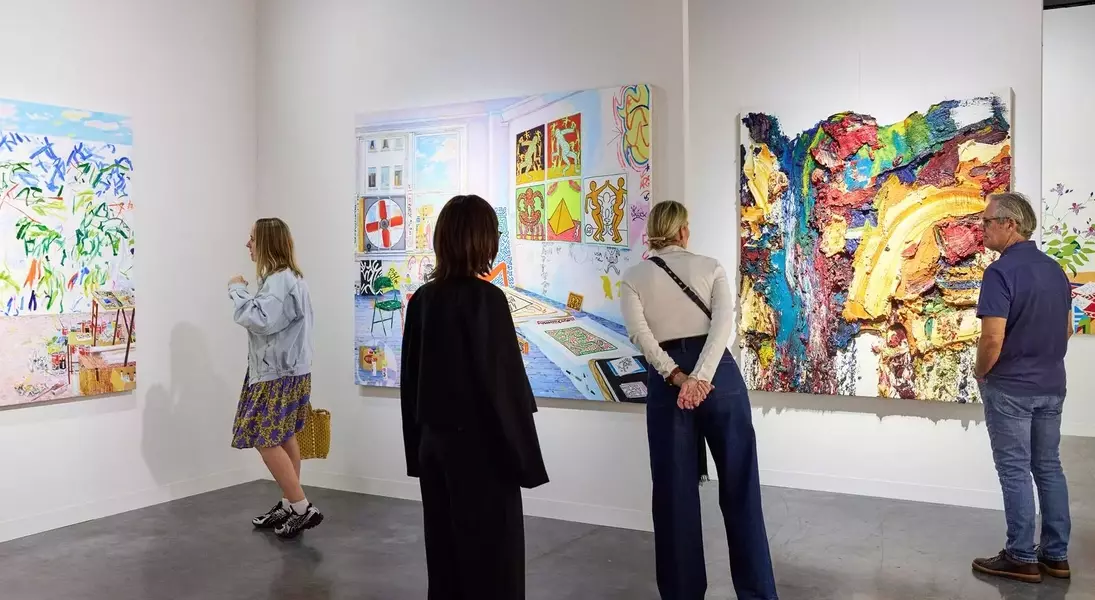
Art Basel Miami 2023 was a landmark event, showcasing a dynamic interplay between the art world, fashion industry, and burgeoning digital innovations. Despite prevailing market challenges, the fair reported impressive sales figures, underscoring a renewed confidence among collectors and galleries. The event also served as a crucial platform for the burgeoning Latin American luxury market, attracting significant attention from brands and media alike. Furthermore, the official integration of digital art, particularly through the Zero 10 initiative, breathed new life into the fair, drawing in a diverse audience and signaling a forward-looking approach to artistic expression.
Miami Art Week: A Fusion of Culture and Commerce
In early December, as the chill winds swept through New York, the vibrant city of Miami became a haven for the global creative community, hosting the much-anticipated Miami Art Week. This year's Art Basel, alongside more than 20 satellite fairs, gallery showcases, and museum exhibitions, transformed the city into a bustling center of cultural exchange. Attendees, flocking from various corners of the globe, immersed themselves in a rich tapestry of art, fashion, and music, experiencing a week brimming with artistic discovery and commercial vibrancy.
A notable characteristic of this year's event was the unprecedented convergence of industries. Fashion, in particular, demonstrated a deep embrace of the art world, moving beyond conventional dinners and parties to actively host its own exhibitions and collaborate with existing ones. Art Basel director Bridget Finn observed this intensifying cross-industry engagement, highlighting how each year elevates the stakes for this cultural phenomenon.
The Miami Beach Convention Center, serving as the nucleus of the fair, epitomized this cross-industry synergy. Collaborations were abundant, from limited-edition T-shirts and bags by Marc Jacobs to soccer jerseys in partnership with Inter Miami CF. The collector's lounge, a masterpiece designed by Lissoni & Partners, featured twenty 'Made in Italy' brands, reflecting the fair's partnership with Salone. Adding another layer of cultural richness, musician and actor Kid Cudi premiered a documentary by Joshua Charow, offering insights into his artistic journey.
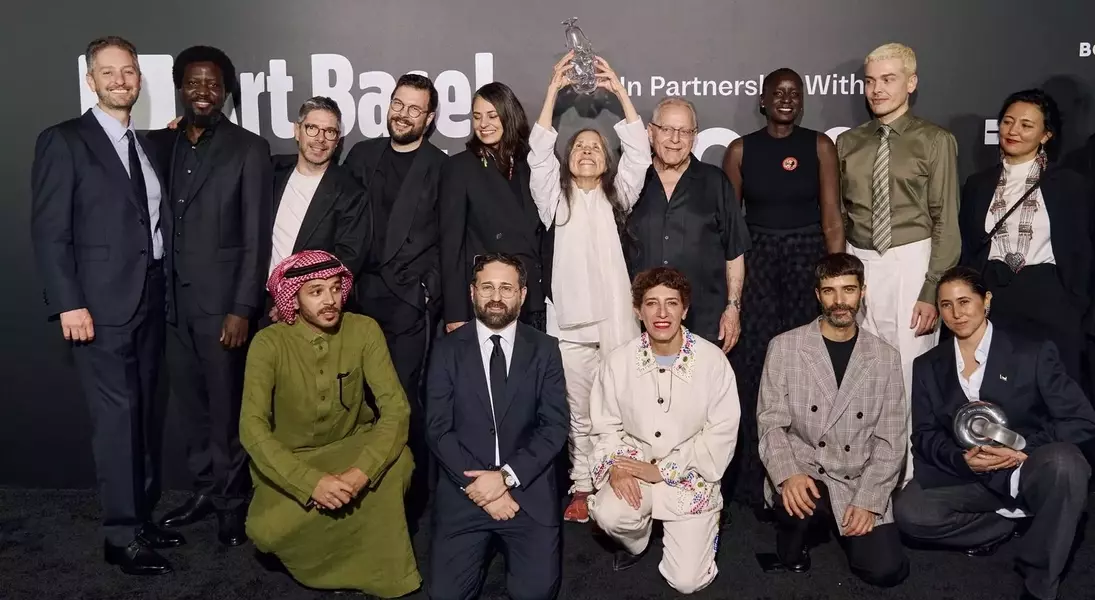
Marco Falcioni, creative director of Boss, remarked on the fair's 'pop' sensibility during the inaugural Art Basel Awards. He noted that Miami, as the final Art Basel event of the year, fosters a more relaxed atmosphere, making it an ideal setting for such multifaceted collaborations. This year's fair also saw strong sales, with Hauser & Wirth selling major works by Louise Bourgeois for millions, and David Zwirner reporting a Gerhard Richter painting sale for $5.5 million. Lévy Gorvy Dayan impressively sold Andy Warhol's 'Muhammad Ali' for $18 million.
Art dealer Carlye Packer from Los Angeles noted a more serious and discerning crowd this year, driven by a challenging market that compelled galleries to showcase their best works. This sentiment was echoed by Peggy Leboeuf, Partner at Perrotin New York, who reported over 25 sales on the first day. Interactive pieces, such as Mschf’s bronze 'Touch Me Sculpture One More Time,' captivated visitors, alongside their 'Coke vs. Pepsi (Soda Spinner)' installation, fostering engaging discussions.
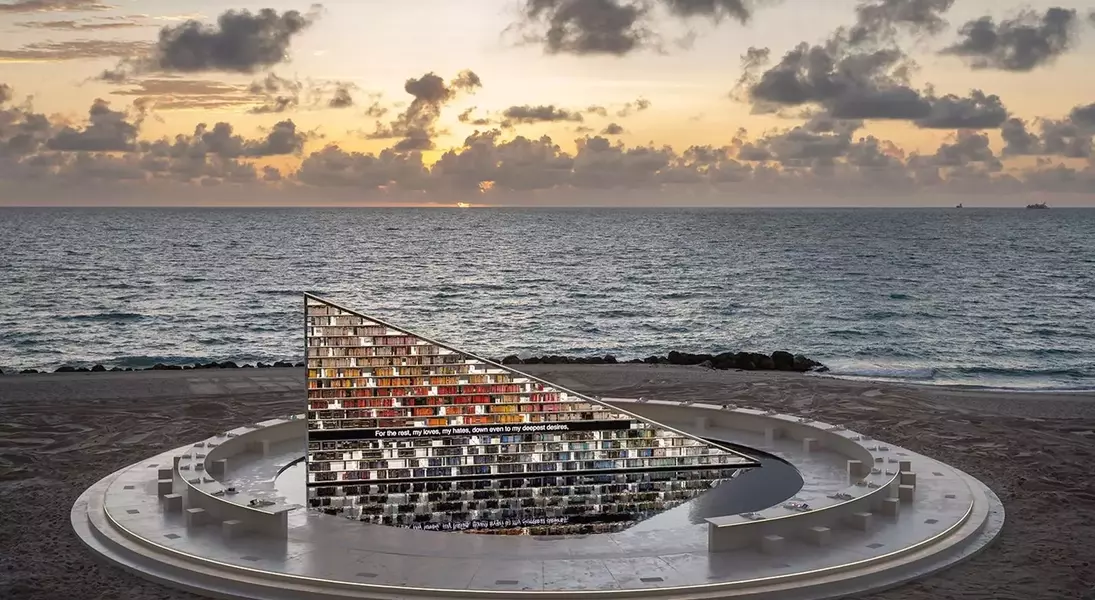
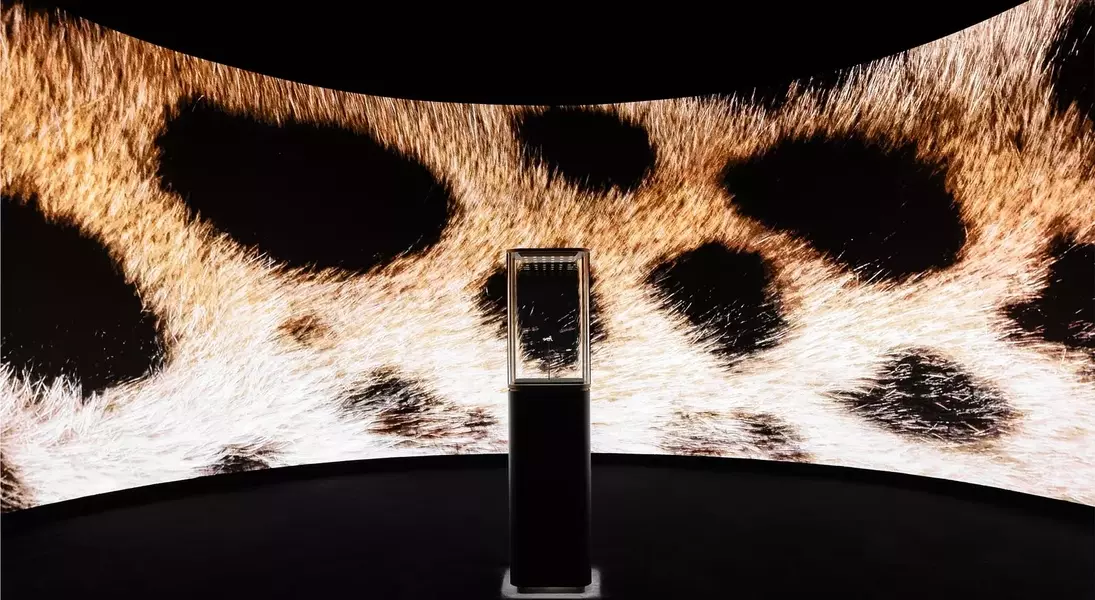
Brands like Marni, Ferragamo, Tag Heuer, and Miu Miu hosted exclusive events, while Cartier unveiled its 'Into the Wild' exhibition, celebrating its iconic Panthère emblem. Pucci adorned the fair's entrance with its distinctive Marmo print, and Zegna, an official partner, brought its Villa Zegna experience to Miami, culminating in a dinner featuring Giorgio Moroder. Ray-Ban collaborated with Es Devlin's 'Library of Us' on Faena beach, integrating Meta's smart glasses to translate the texts within the artwork.
LVMH's 'The Studio' pop-up underscored the importance of cultural relevance, with North America CEO Anish Melwani emphasizing the synergy between art and fashion in Miami. The fair also highlighted the burgeoning Latin American luxury market, attracting significant press and collectors from countries like Mexico and Brazil. This growing interest is seen as a key growth driver for luxury brands, with companies like Zegna actively targeting this demographic.
The fair also saw a notable resurgence of digital art, particularly with the Zero 10 initiative. This new section, which quickly became one of the busiest areas, featured artists like Beeple, whose 'Regular Animals' robots generated considerable buzz and sales. This move provided an accessible entry point for audiences into the world of Web3 and digital art, making it an official and engaging part of the fair.
Art Basel also made concerted efforts to support emerging talent, reconfiguring its layout to place younger galleries and artists in prominent locations. Sectors like Nova and Positions, dedicated to recent works and solo presentations by new galleries, were strategically positioned at the entrance, offering increased visibility and fostering a vibrant energy. The Boss Award for Outstanding Achievement, awarded to Moroccan artist Meriem Bennani, further demonstrated the fair's commitment to nurturing new artistic voices.
Carlye Packer observed a shift in the market towards quality over quantity, signaling a more discerning approach from collectors. This renewed focus on substantial artistic value, rather than speculative acquisitions, promises a healthier and more sustainable art market in the future.
Art Basel Miami 2023 served as a powerful testament to the evolving landscape of the art world. Its ability to seamlessly blend traditional art forms with cutting-edge fashion, technology, and global market trends offers a compelling vision for future cultural events. The emphasis on fostering new talent, embracing digital innovation, and recognizing the global shifts in luxury markets provides a blueprint for how art can remain relevant, engaging, and commercially vibrant in a constantly changing world. This convergence of diverse elements not only enriches the artistic experience but also expands the audience, creating a more inclusive and dynamic cultural ecosystem. The success of this year's event highlights the potential for collaboration and innovation to drive both artistic expression and economic growth.
