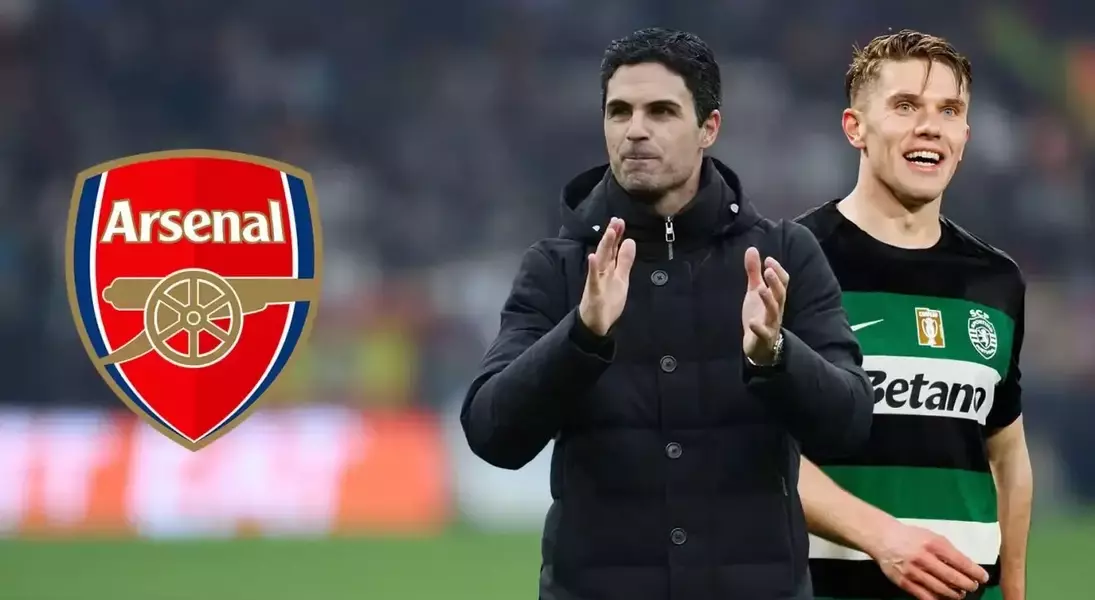
In a significant development for the football world, Arsenal has finalized a major transfer deal for striker Viktor Gyokeres from Sporting Lisbon. This conclusion follows extensive negotiations and even a period of controversy surrounding the player's conduct. The agreement, a substantial financial commitment from the Gunners, signals their ambition and addresses a key recruitment target. Gyokeres' journey to Arsenal was not without its dramatic turns, highlighting the complexities often involved in high-profile player movements.
Arsenal Finalizes Viktor Gyokeres Acquisition After Intense Negotiations and Player's Compliance
In the bustling landscape of summer transfer activities, an eagerly awaited deal has finally reached its crescendo. English Premier League giants Arsenal have successfully acquired the highly sought-after Swedish international striker, Viktor Gyokeres, from Portuguese club Sporting Lisbon. The agreement, valued at an impressive initial €63.5 million, with an additional €10 million in performance-related add-ons, brings to an end a protracted period of intense negotiations and speculation.
The transfer saga took a surprising turn when it was revealed that Gyokeres, eager to facilitate his move to the Emirates Stadium, had reportedly accepted a significant financial penalty. According to reports from the Portuguese outlet Record, the talented 27-year-old forward consented to forgo his entire July salary, an amount estimated at approximately €350,000. This drastic measure was reportedly a condition set by Sporting Lisbon's president, Frederico Varandas, as a consequence of Gyokeres' unauthorized absence from the club's pre-season training for 13 consecutive days, a clear breach of club regulations. By accepting this "punishment," Gyokeres demonstrated his unequivocal commitment to the transfer, effectively removing a major hurdle for Sporting to "close the deal" with Arsenal.
The meticulous breakdown of the €10 million in add-ons provides further insight into the structured nature of the deal. Journalist Ben Jacobs outlined three distinct categories for these bonuses: €1.25 million for every 20 appearances (each lasting 45 minutes or more), capped at €5 million; €500,000 for every 20 goal contributions (goals or assists), up to €1 million; and a further €1 million for each seasonal qualification for the UEFA Champions League group stage, with a maximum of €4 million. These clauses highlight the performance-driven incentives embedded within the transfer agreement, aligning the player's success with additional financial benefits for Sporting.
This substantial acquisition marks a significant strategic move for Arsenal, who had previously shown interest in other prominent strikers like Benjamin Sesko and Ollie Watkins. However, with the recent arrival of new sporting director Andre Berta at Sporting, the dynamics shifted, leading Arsenal to intensely pursue Gyokeres. His prolific scoring record of 97 goals in 102 appearances across two seasons for Sporting had attracted attention from several elite European clubs, making him a prized asset in the transfer market.
Despite the contentious nature of his departure, Sporting Lisbon has assured Gyokeres that he will still receive all bonuses related to his collective and individual achievements from the 2024/25 campaign. This includes payments for the championship title and an additional €500,000 for surpassing 50 combined goals and assists, an incentive negotiated at the start of the previous season. This decision ensures that, despite the disciplinary action, the player's on-field performance during his tenure at Sporting is appropriately recognized.
The Unfolding Narrative: A Modern Transfer Story
The transfer of Viktor Gyokeres to Arsenal is more than just a transaction; it's a compelling narrative reflecting the evolving landscape of modern football transfers. From a journalist's perspective, this saga offers a fascinating glimpse into the intricate dance between player ambition, club demands, and the strategic machinations behind the scenes. Gyokeres' decision to financially penalize himself to expedite the move speaks volumes about his desire to join Arsenal, a level of commitment that can be a powerful driving force in a team's success. It also raises questions about player power in contemporary football and the lengths to which individuals are willing to go to achieve their career aspirations. For fans, this transfer signifies hope and renewed optimism, a fresh attacking force to propel Arsenal towards their competitive goals. It’s a testament to the club's persistence and a reminder that in the high-stakes world of professional football, sometimes, a little rule-bending—and a lot of negotiation—can lead to a triumphant outcome.
