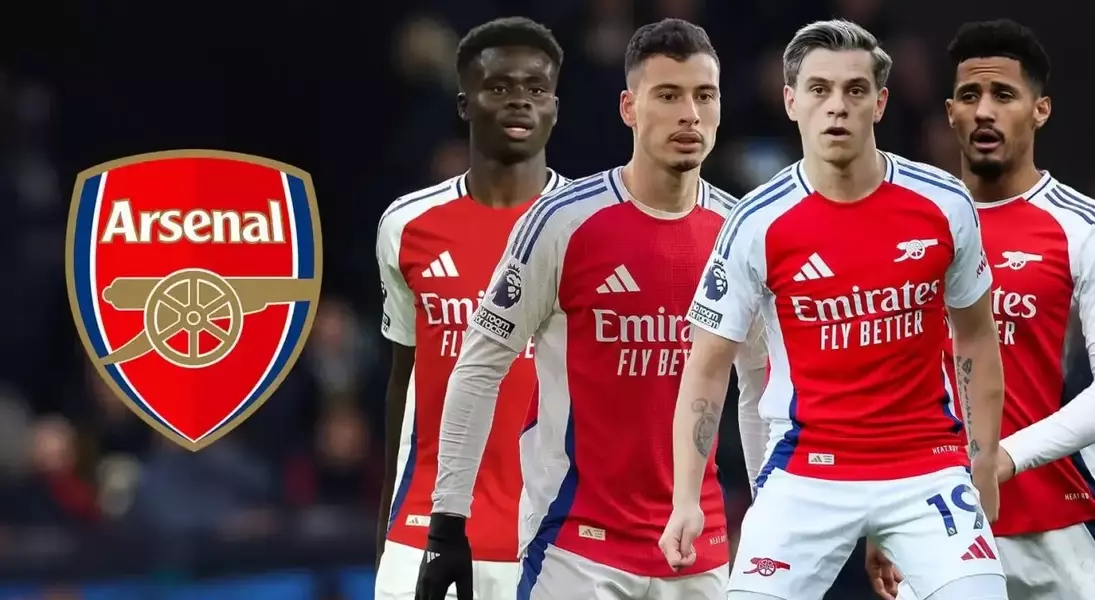
Arsenal is on the cusp of a transformative summer transfer window, with pivotal decisions slated for the squad. Under the strategic guidance of new sporting director Andrea Berta, the club is set to undergo a comprehensive evaluation of its roster, aiming to fortify its competitive standing. This period will witness a delicate balance between retaining core talents crucial to the team's philosophy and offloading players who might have reached their peak value or no longer align with future plans. The objective is clear: to construct a formidable team capable of sustained success in both domestic and international competitions.
The meticulous process of assessing each player's role and market value underscores a proactive approach to squad management. This includes not only established first-team members but also a cohort of promising youth players, whose development trajectories are being carefully considered. The emphasis on a balanced squad, combining seasoned experience with youthful exuberance, is a testament to Arsenal's long-term vision. Navigating the complexities of player contracts, potential suitors, and financial implications will be paramount in shaping the club's fortunes in the seasons to come.
Strategic Player Movements: Retain or Release?
Arsenal is contemplating significant changes to its lineup, with a detailed assessment underway for each player's future. The club faces critical decisions regarding several key individuals, including Gabriel Martinelli, Oleksandr Zinchenko, and Kai Havertz. Martinelli, despite a stellar 2022/23 season, is seen by some as having hit a performance plateau, suggesting a potential sale to fund a higher-caliber replacement on the left wing. Conversely, Oleksandr Zinchenko, while technically gifted, has shown defensive vulnerabilities, making him a candidate for transfer, especially with only a year remaining on his contract. Kai Havertz, despite a gradual positional shift to striker, is expected to remain, as he is highly valued by manager Mikel Arteta, irrespective of incoming attacking reinforcements.
The club's strategy extends beyond these prominent names to encompass a broad spectrum of the squad. Veterans like Gabriel Magalhaes and Jurrien Timber are earmarked for retention due to their consistent contributions and potential for further growth. The futures of younger talents such as Myles Lewis-Skelly, Ethan Nwaneri, and Max Dowman are also being carefully managed, with a strong inclination towards retaining them due to their immense potential for future success at the club. This comprehensive approach underscores Arsenal's commitment to building a cohesive and competitive team, balancing immediate needs with long-term strategic objectives. The objective is to optimize the squad's composition for both present challenges and future aspirations, ensuring sustained competitiveness at the highest levels of football.
The Balance of Youth and Experience in Squad Building
Arsenal's meticulous squad planning emphasizes a harmonious blend of seasoned professionals and burgeoning young stars, each vital to the club's long-term ambitions. Players such as Martin Odegaard and Declan Rice are considered indispensable, serving as the bedrock of the team's leadership and strategic play. Their continued presence is seen as fundamental to maintaining stability and driving performance. Meanwhile, promising academy graduates like Myles Lewis-Skelly and Ethan Nwaneri represent the future, with their exceptional potential prompting a firm commitment from the club to nurture their development. This dual focus ensures that while the team remains competitive in the immediate future, it also cultivates a pipeline of talent for sustained success.
This strategic framework also necessitates difficult decisions regarding squad departures. Players like Albert Sambi Lokonga and Fabio Vieira, despite their talents, may be moved on if they no longer fit the tactical blueprint or if their market value can be leveraged to acquire players who better suit the team's evolving needs. Even a veteran like Gabriel Jesus is considered dispensable if a viable transfer opportunity arises, particularly given his injury history and the potential to free up resources. This dynamic approach to player management allows Arsenal to adapt to the demands of modern football, continuously refining its squad to achieve optimal balance and maximize its competitive edge across all fronts.
