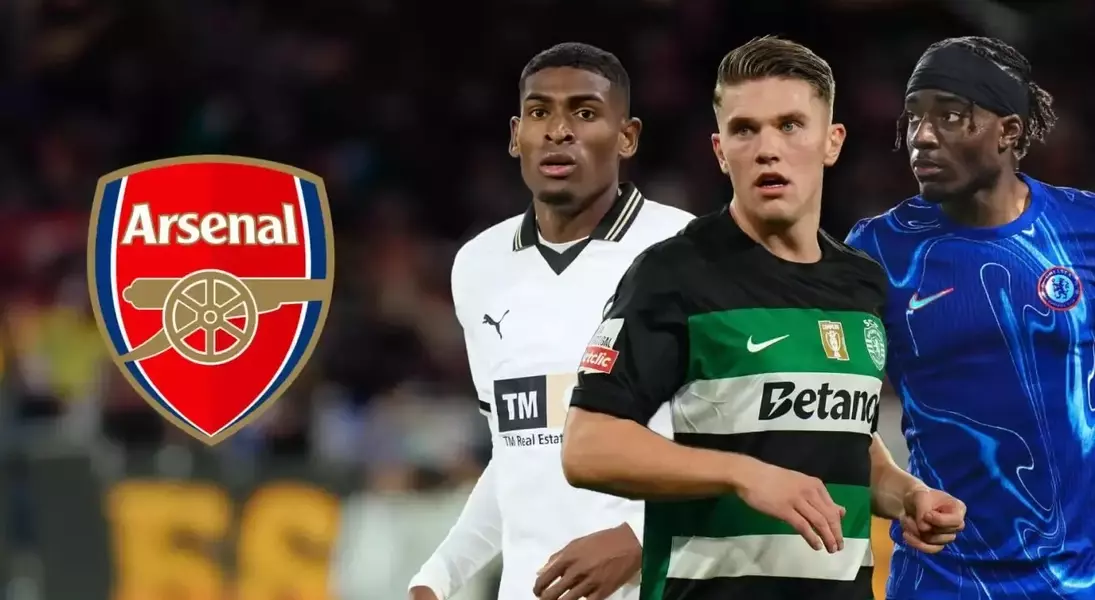
Arsenal's current situation is a complex tapestry woven from fan sentiment, strategic player acquisitions, and lingering external debates within the broader football community. The club finds itself at a peculiar juncture where, despite what appears to be a proactive and successful transfer window, a faction of its supporters remains critical, highlighting a perceived 'toxicity-optimism cycle.' This dynamic illustrates the challenges modern football clubs face in balancing on-field ambitions with maintaining a harmonious relationship with their passionate fanbase.
Within the realm of fan discussion, the recent acquisition of players like Noni Madueke has sparked considerable debate. While some fans, like 'Dion, Arsenal,' express satisfaction with the club's strategy of building quality in depth and praise signings such as Merino and Calafiori, others, as highlighted by 'Niallo, Gooner,' lament the backlash against certain transfers, exemplified by a petition against Madueke's signing. This division underscores a tension between optimistic anticipation for new talent and an underlying cynicism rooted in past disappointments or moral concerns. The conversation extends to the club's handling of controversial situations, such as the ongoing employment of a player facing serious accusations, which some fans view as a betrayal of the club's progressive values and reputation for class. Such incidents fuel a narrative of internal conflict and challenge the perceived integrity of the institution, even as it strives for on-field excellence.
Beyond Arsenal-specific concerns, broader football dialogues persist. The effectiveness of Liverpool's striking options, particularly Darwin Núñez, is a hot topic, with some observers, like Thomas McConnell, feeling an inexplicable optimism for his future performance despite past inconsistencies. This illustrates the often-irrational nature of fan hope and the emotional investment in individual player trajectories. Additionally, the Club World Cup continues to divide opinion. Many contributors, including Matt (Gooner exiled in Essex) and Ozzy AFC DC, express disinterest or outright disdain for the tournament, viewing it as an unnecessary fixture that disrupts the football calendar and lacks the prestige of traditional competitions. The general sentiment suggests a preference for international tournaments and a desire for a return to a simpler, less cluttered football landscape. This varied discourse, ranging from specific club transfers and player forms to global tournament structures, collectively paints a picture of a football world constantly in flux, shaped by performance, economics, and deeply held fan convictions.
Ultimately, Arsenal's current period is characterized by a blend of promising tactical reinforcements and a palpable tension among its supporters, who are navigating the complexities of modern football's commercial demands and ethical dilemmas. The fan base's response to new signings and club decisions reflects a passionate, yet sometimes divided, loyalty. Simultaneously, the broader football community grapples with the evolving nature of competitions and player valuations, underscoring the ongoing push and pull between tradition and innovation in the sport.
