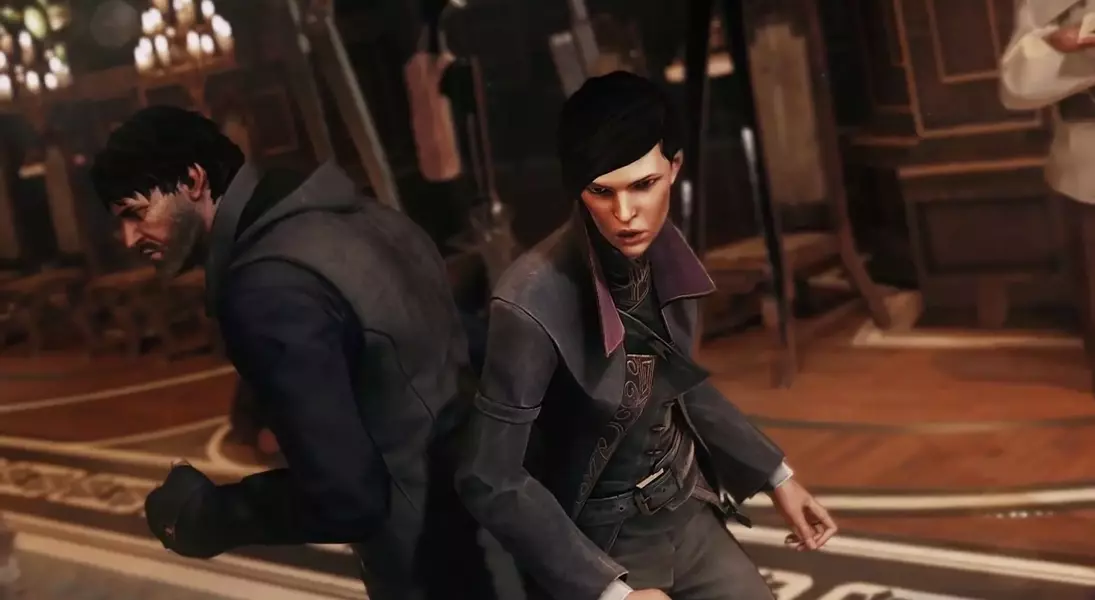
In the wake of Xbox's recent organizational overhaul, which includes extensive workforce reductions and shifts in studio ownership, the future of Arkane Studios, known for titles like Dishonored and the upcoming Marvel's Blade, has become uncertain. However, amidst these changes, the studio's co-founder has made a rather unexpected and humorous gesture, sparking considerable discussion among the gaming community.
Arkane Founder's Playful Bid Amidst Xbox Restructuring
As Xbox CEO Asha Sharma detailed the company's sweeping changes, including the fate of Arkane, Raphaël Colantonio, the visionary behind Arkane Studios, made a playful inquiry on X, asking "how much?" The co-creator of Dishonored and director of games like Arx Fatalis and Prey, Colantonio's lighthearted question, punctuated with a tongue-out emoji and the phrase "asking for a friend," hinted at a desire to potentially reacquire the studio he helped build. Colantonio departed Arkane in 2017 to establish WolfEye Studios in 2019, which released its first game, Weird West, in 2022 and is currently developing a new first-person immersive sim, a genre synonymous with Arkane's legacy.
This humorous exchange has deeply resonated with fans, who have flooded social media with comments urging Xbox to consider Colantonio's proposition. Remarks like "Please sell it to this man" and animated GIFs expressing hopeful pleas highlight a collective yearning among fans for Arkane to be led by someone they believe would best nurture its creative spirit. Meanwhile, other studios impacted by Xbox's recent announcements are facing diverse outcomes, with Compulsion Games and Double Fine Productions transitioning to independent status, and Ninja Theory and Undead Labs acquiring new, as-yet-unnamed owners.
Colantonio's playful query, though likely a joke, underscores a significant sentiment within the gaming community. It highlights a recurring desire among fans to see beloved studios guided by their original creative forces, especially when major corporate shifts introduce uncertainty. This situation sparks a broader reflection on the evolving landscape of game development, where creative independence and developer-fan relationships often clash with corporate restructuring and consolidation. It makes one ponder the true value of artistic vision and community trust in an industry increasingly dominated by large entities.
