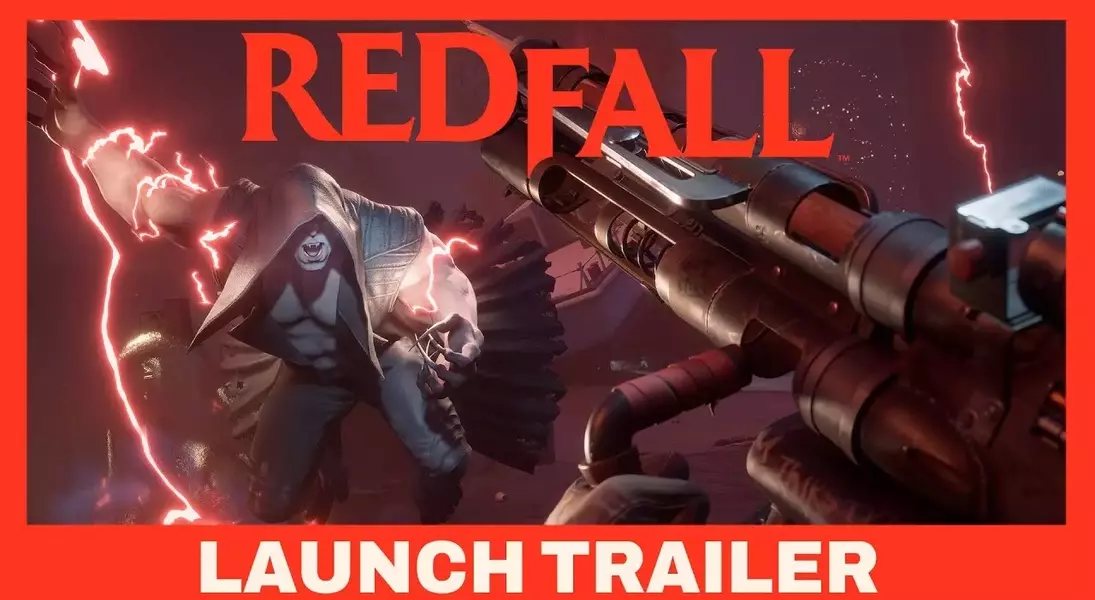
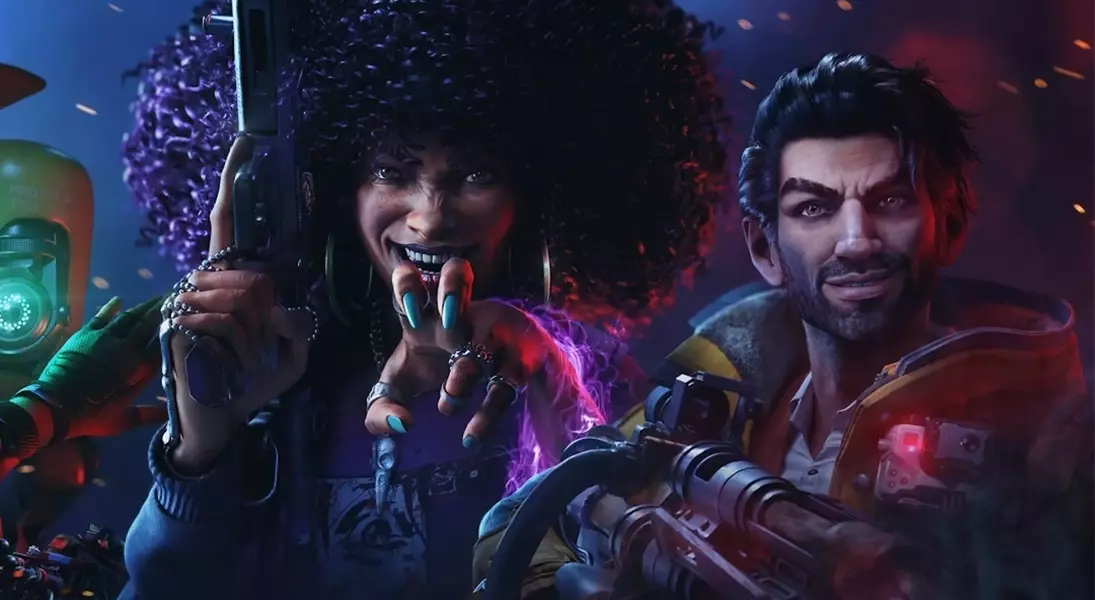
The recent dissolution of Arkane Austin has sent ripples through the gaming industry, eliciting a profound sense of dismay from veteran game developer Harvey Smith, co-creator of the critically acclaimed 'Dishonored'. While acknowledging that Microsoft's decision to close multiple studios aligns with its strategic pursuit of ambitious profit margins, Smith found the shuttering of Arkane Austin particularly disheartening. The studio, despite the lukewarm reception of its most recent title, 'Redfall', boasts a distinguished portfolio including the groundbreaking 'Dishonored' (2012) and the revered 'Prey' (2017), a game he increasingly considers among the finest of all time. This abrupt end, merely a year after 'Redfall's' debut, underscores a significant loss within the gaming landscape.
In a recent interview on the 'My Perfect Console' podcast, Smith shared his personal experience regarding the studio's closure. He recounted receiving a pre-closure notification, leading to a night of considerable stress and reflection. While he respects the prerogative of companies to make their own decisions, he openly disagreed with this particular one. Smith emphasized the collective talent and history within Arkane Austin, noting that some team members had collaborated on multiple projects, while others, like himself and Ricardo Bare, had a working relationship spanning decades since the late nineties. The sudden termination of such a cohesive and experienced team was, for him, a profound shock.
Smith’s immediate concern extended to the younger members of his team, those who were either new to the industry or had only recently joined Arkane Austin. He felt a deep sense of responsibility to support them through what he described as a "mind-blowing experience." This sentiment highlights the human impact of corporate decisions, especially on burgeoning careers within the creative sector. Beyond the immediate shock, Smith dedicated himself to improving 'Redfall' during the studio’s final months, a period he spent with his head down, focused on delivering the best possible version of the game.
Smith expressed pride in the team's commitment to enhancing 'Redfall' following its initial disappointing release. He revealed that Microsoft, despite the impending closure, allowed the team to complete and release the 1.4 update, which represented a substantial improvement to the game. He mused that a different narrative might have unfolded had this improved version been the launch state. For Smith, this permission from Microsoft was crucial, ensuring that the team's efforts were not in vain and that the game available today stands as a testament to their dedication.
Despite his gratitude for being able to finalize the update, Smith maintains his disagreement with the decision to close the studio. He firmly believed in Arkane Austin's future, hinting at a "very cool" project that was in development. While specific details remain undisclosed, Smith briefly mentioned other unreleased endeavors, including a 'Thief' game before Eidos reacquired the license, and a particularly exciting 'Blade Runner' project that predated 'Dishonored'. These glimpses into Arkane Austin’s unfulfilled potential add another layer of poignancy to its closure, underscoring the creative visions that will now remain unrealized.
The closure of Arkane Austin marks a significant turning point, effectively bringing an end to the immersive sim renaissance of the 2010s, a period enriched by titles like Eidos Montreal's 'Deus Ex' sequels and Arkane's own seminal works. The subsequent years have seen a noticeable decline in new entries within the genre, with notable exceptions such as Nightdive's 'System Shock' remake and the independent immersive sim 'Skin Deep', along with the ambitious 'Thief' mod, 'The Black Parade'. However, there remains a glimmer of hope with promising upcoming projects like the 'Thief'-inspired 'Gloomwood' and Warren Spector's innovative multiplayer stealth game, 'Thick as Thieves'. Furthermore, Arkane Lyon's eagerly anticipated 'Blade' game, while its exact form is yet to be revealed, is expected to carry the distinctive creative DNA of its predecessor, 'Dishonored', suggesting a continued legacy for the immersive sim genre.
