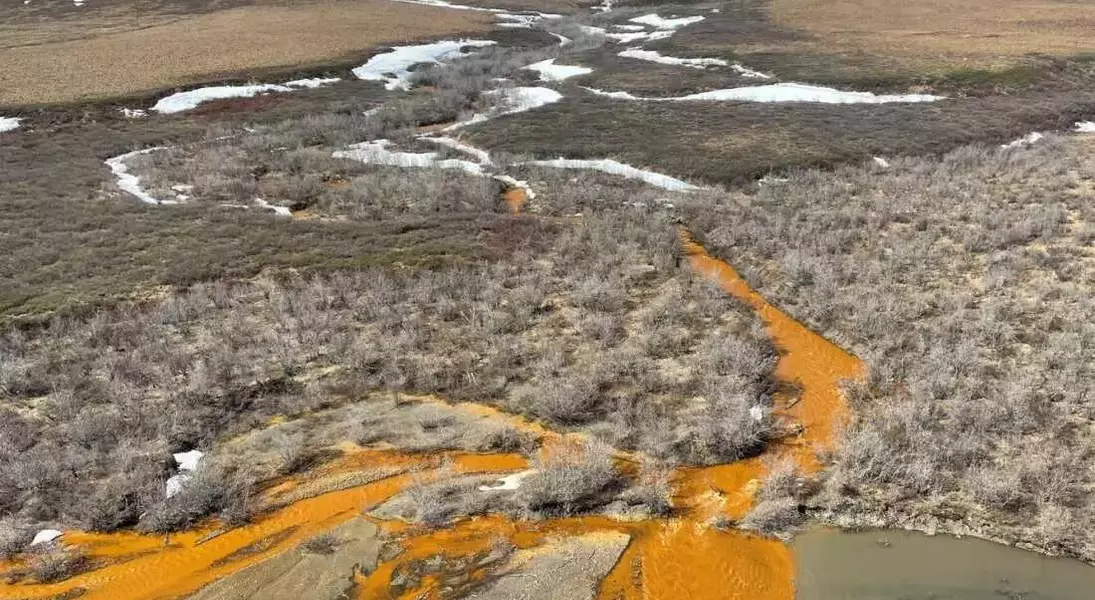
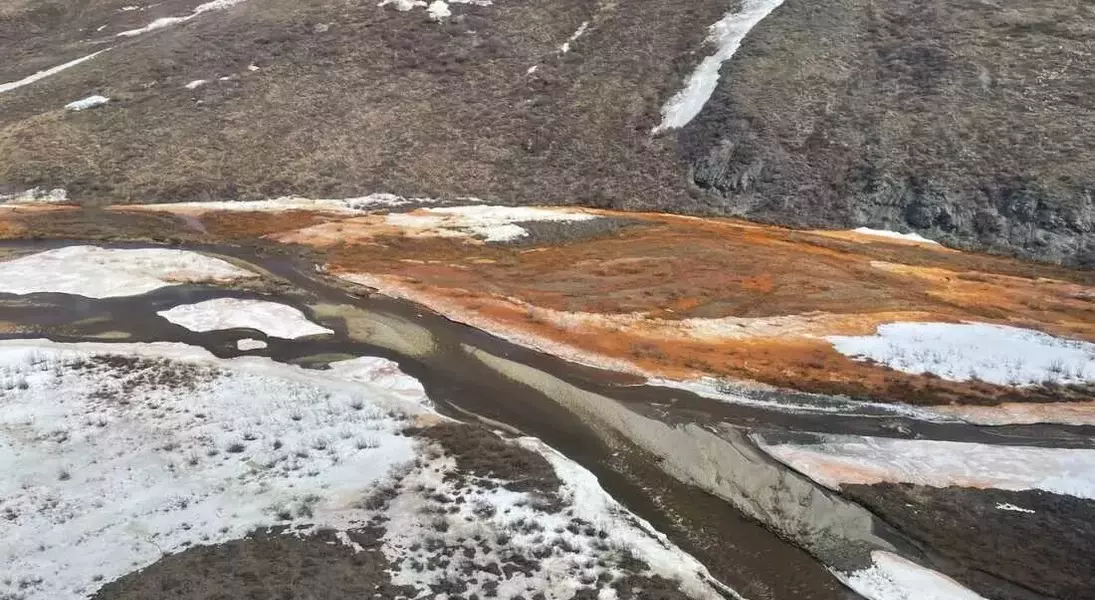
A recent comprehensive analysis has revealed that the Arctic region is experiencing an alarming rate of warming, far exceeding the global average. This accelerated environmental transformation is manifesting in various observable phenomena, such as the increasing prevalence of 'rusting rivers' in areas like the Brooks Range of northern Alaska. These rivers, characterized by their striking red-orange hue, are a direct consequence of thawing permafrost releasing naturally occurring iron and other metals into the waterways, providing a stark visual testament to the profound impacts of climate change.
This critical information is detailed in the latest annual Arctic Report Card from the National Oceanic and Atmospheric Administration (NOAA), an essential document that has consistently tracked the swift environmental shifts in the planet's northernmost reaches for two decades. The past year has been recorded as the warmest and wettest in the Arctic's history, a trend that carries significant global implications. As the 'planet's refrigerator' continues to thaw and warm, its repercussions extend to global sea levels, intricate weather patterns, and the vitality of commercial fisheries, underscoring the interconnectedness of Earth's climate systems. Despite political challenges that have impacted climate research funding and initiatives, the independent nature of the report's compilation by an international network of scientists ensures its resilience and continued focus on the pressing realities of climate change, including the undeniable role of fossil fuel combustion.
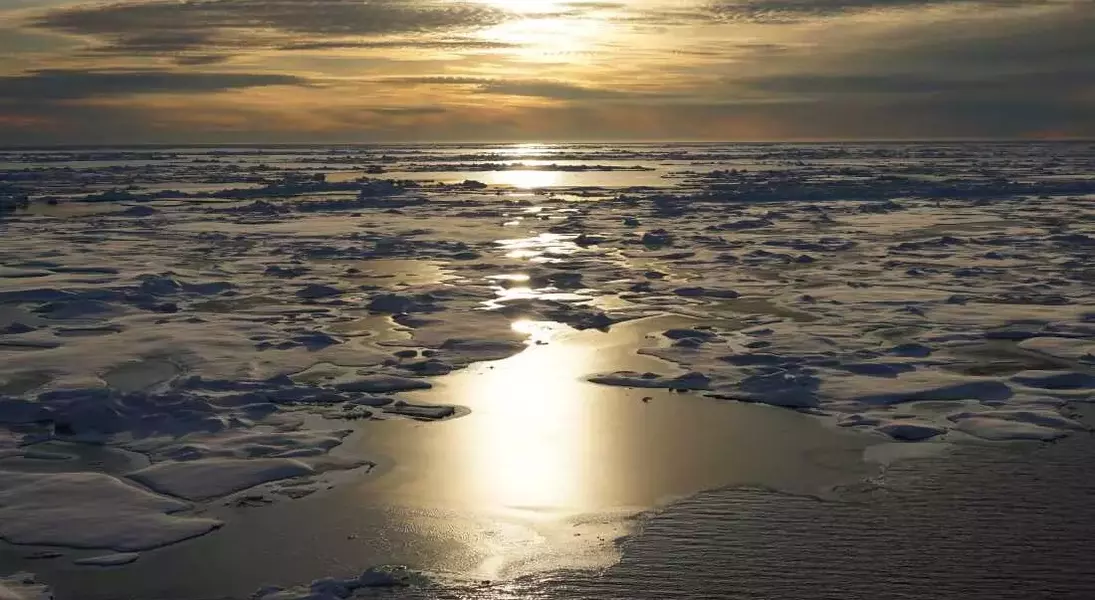
Beyond the striking discoloration of rivers, the Arctic's rapid warming is instigating other severe consequences. Glaciers, both in Greenland and across Alaska, are undergoing substantial and continuous shrinkage, contributing significantly to the global rise in sea levels. This melting ice poses immediate threats, such as catastrophic glacial outbursts, and long-term dangers, including increased coastal flooding and erosion. Furthermore, the phenomenon known as 'Atlantification' is transforming the Arctic Ocean, with warmer, saltier waters leading to record low sea ice extent. This change fundamentally alters marine ecosystems, favoring southern species over native Arctic ones, thereby disrupting crucial food chains and posing substantial challenges to traditional Arctic communities and established commercial fishing industries. The ongoing research continues to assess the full scope of these changes, including potential impacts on freshwater resources and the broader biological community.
The current environmental transformation in the Arctic serves as a compelling reminder of the intricate balance of our planet's ecosystems and the profound influence of human activities. It underscores the urgent need for global collaboration and innovative solutions to mitigate the impacts of climate change, protect vulnerable ecosystems, and safeguard the well-being of all life on Earth. Embracing sustainable practices and fostering a deeper understanding of our natural world are paramount to navigating these complex challenges and building a resilient future.
