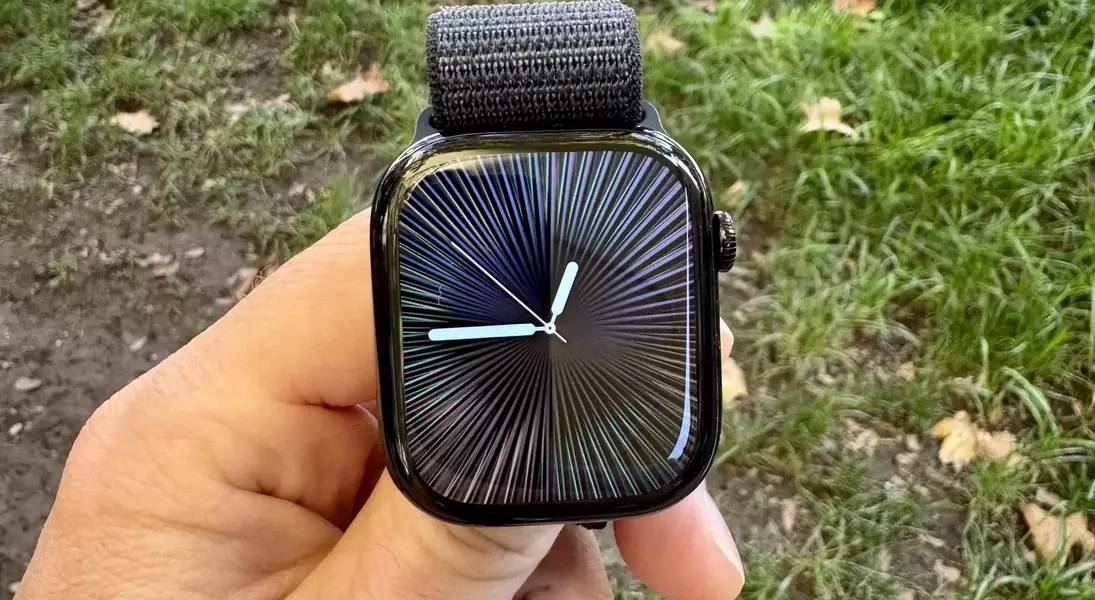
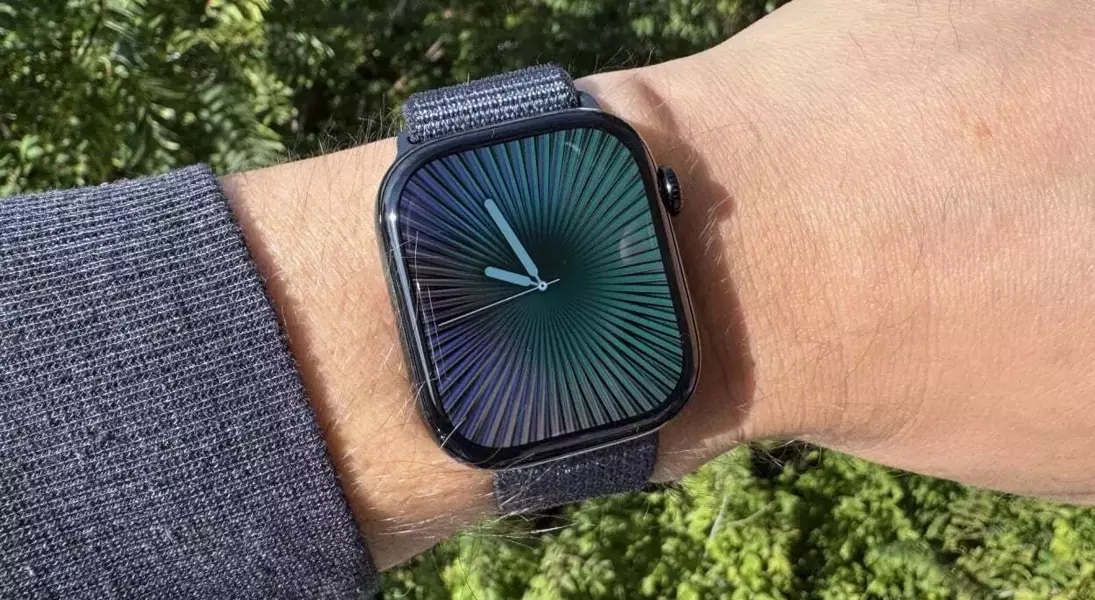
This article explores the contrasting user experiences between the Apple Watch Series 10 and Garmin smartwatches, particularly focusing on the critical aspect of battery longevity. While acknowledging the compelling features and design of the Apple Watch, the author, a dedicated Garmin user, highlights how its limited battery life significantly impacts daily convenience and functionality for active lifestyles. The piece delves into the strengths of the Apple Watch, such as its seamless integration within the Apple ecosystem and advanced health tracking, but ultimately emphasizes that superior battery performance remains a decisive factor for many.
The Battery Conundrum: Apple vs. Garmin Endurance
For individuals with dynamic lifestyles, the endurance of a smartwatch's battery is paramount. The Apple Watch Series 10, despite its technological prowess, typically offers only around 18 hours of usage on a single charge, requiring users to consistently remember daily recharges. This short battery span presents a considerable inconvenience, especially for those who rely on their devices for continuous tracking of activities, recovery metrics, and general daily functions without interruption. In contrast, Garmin devices, like the Forerunner 955, boast significantly longer battery lives, often lasting for weeks in smartwatch mode and extended hours even with GPS activated, offering a clear advantage for users seeking reliable, long-term performance without the constant need for a power outlet.
The disparity in battery life between the Apple Watch and Garmin smartwatches is a pivotal point for many consumers, influencing their purchasing decisions. While the Apple Watch integrates smoothly with the broader Apple ecosystem, providing immediate access to notifications, calls, and various applications directly from the wrist, this convenience comes at the cost of frequent charging. For someone who engages in regular physical activity or simply prefers not to add another device to their daily charging routine, Garmin's multi-day or even multi-week battery capacity becomes an undeniable draw. This extended endurance ensures continuous data collection and accessibility, crucial for athletes and busy individuals alike, making it a defining characteristic in the competitive smartwatch market. Until Apple can match or significantly extend its battery performance, many will remain loyal to brands like Garmin that offer superior longevity.
Beyond Battery: Apple Watch's Allure and Capabilities
Despite the battery limitations, the Apple Watch Series 10 possesses a compelling array of features that attract a wide user base. Its seamless integration with the iPhone offers unparalleled convenience, allowing users to manage calls, messages, and notifications directly from their wrist, deeply embedding the device within the Apple ecosystem. Beyond communication, the Apple Watch excels in promoting health and fitness through its intuitive activity rings, which gamify daily movement and encourage consistent healthy habits. Its sophisticated health monitoring capabilities, including ECG, fall detection, and cycle tracking, further enhance its appeal as a comprehensive wellness tool, providing users with valuable insights into their physical well-being.
The aesthetic appeal and advanced functionalities of the Apple Watch Series 10 are undeniable strong points. Its sleek and stylish design allows it to blend effortlessly as an everyday accessory, moving beyond the traditional bulky appearance of many sports watches. The vibrant, edge-to-edge display on the Series 10 model enhances visibility and user interaction, making it a pleasure to use even in bright outdoor conditions. Furthermore, the inclusion of advanced health features such as sleep tracking, complete with sleep apnea notifications, positions the Apple Watch as a robust device for both general wellness and specialized health monitoring. For individuals prioritizing integrated technology, an engaging user interface, and diverse health features, the Apple Watch remains an attractive option, provided the battery life aligns with their usage patterns.
