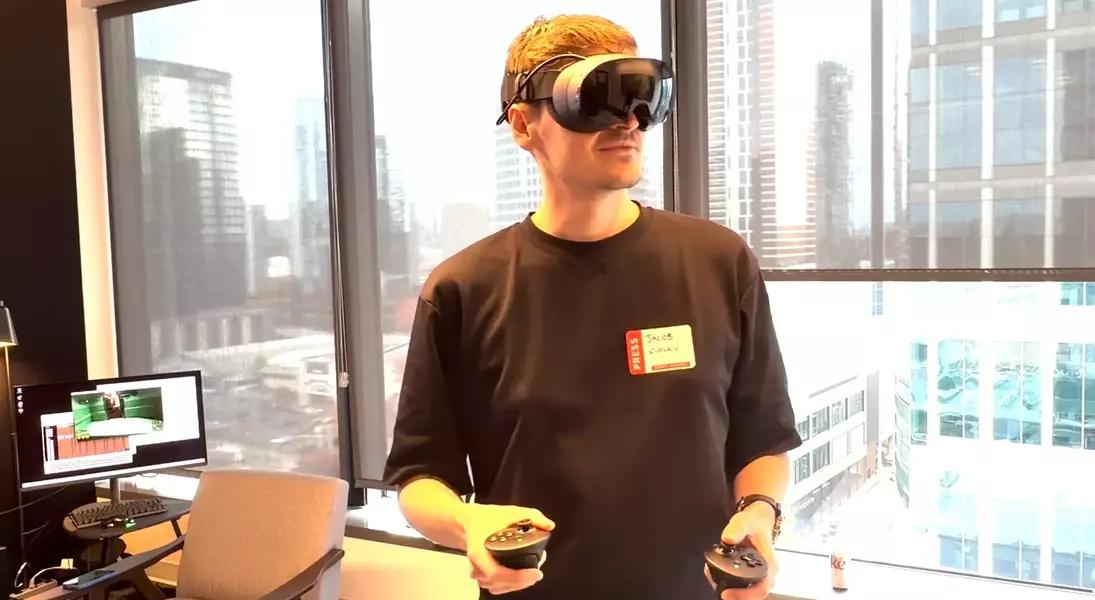
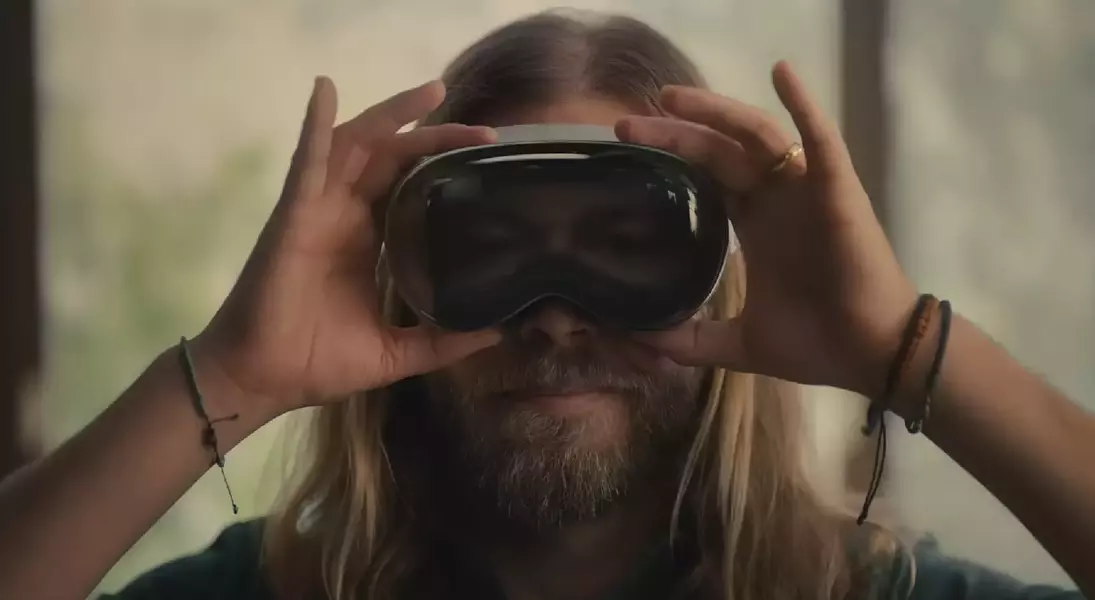
Emerging information indicates that Apple has reportedly halted the production of its Vision Pro virtual reality headset, subsequently reallocating its development team to different internal initiatives. This development, if confirmed, underscores the significant hurdles facing the widespread acceptance of virtual reality among general consumers.
The alleged discontinuation of the Vision Pro stems from its underwhelming sales performance since its launch, a situation further complicated by earlier reports of production freezes. This trend suggests that even a technology giant like Apple struggles to cultivate a mass market for high-end VR devices. The company is rumored to be shifting its focus towards smart glasses, initially without integrated displays, with long-term aspirations to incorporate augmented reality features as technological advancements permit greater power efficiency and user comfort. This strategic realignment highlights the ongoing quest for practical and appealing AR/VR solutions.
The challenges encountered by the Vision Pro, coupled with Meta's scaling back of its Metaverse ambitions, paint a less optimistic picture for substantial investment in virtual reality from major technology corporations. The primary obstacles to broader adoption appear to be the cumbersome design, ergonomic issues, and unappealing aesthetics of current VR headsets, alongside their limited battery life. While gaming applications present a more immediate appeal for VR, as evidenced by dedicated gaming headsets and Valve's new Steam Frame, these devices typically serve a niche purpose compared to more versatile conventional displays. For many, the high cost and specialized nature of VR headsets make them a less compelling investment than an upgraded monitor that enhances a broader range of computing tasks. Personally, despite the allure of virtual reality, I have yet to encounter a headset that sufficiently justifies the investment in terms of comfort, resolution, and overall experience, leaving me hesitant to embrace the technology until more revolutionary advancements emerge.
The path forward for virtual reality hinges on innovation that transcends current limitations, delivering devices that are not only technologically advanced but also seamlessly integrate into everyday life without sacrificing comfort or practicality. The industry needs a breakthrough that dramatically improves user experience and accessibility, moving beyond incremental enhancements to truly revolutionize how we interact with digital worlds.
