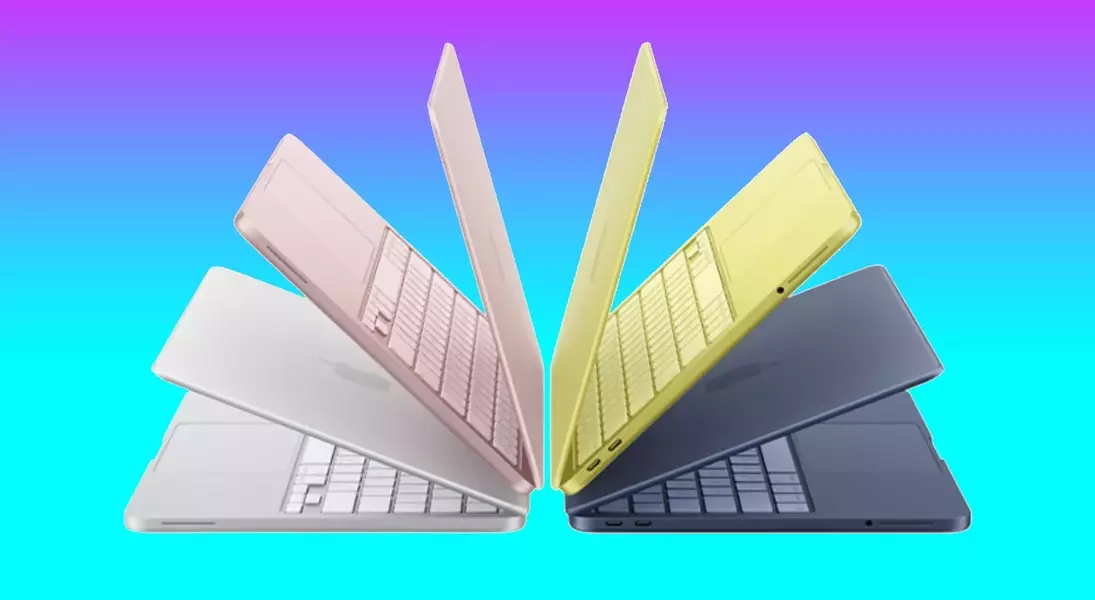

The tech industry is abuzz with Apple's recent launch of the MacBook Neo, a surprisingly budget-friendly laptop that has caught many by surprise, including top industry executives. This article delves into the implications of this new device, particularly its impact on the competitive landscape and how traditional PC manufacturers might respond.
Apple's Unexpected Entry: Reshaping the Affordable Laptop Segment
Industry Reacts to Apple's Value-Oriented Laptop
The introduction of Apple's most economical MacBook to date has sent ripples through the tech market, especially given its timing amidst a global memory shortage. Nick Wu, the Chief Financial Officer of Asus, voiced his astonishment regarding this strategic move, highlighting Apple's departure from its usual premium pricing strategy. His comments underscore a significant shift in the competitive dynamics of the personal computing sector.
MacBook Neo: Designed for Consumption, Not Creation
Wu clarified that the MacBook Neo, with its fixed 8 GB of unified memory, is primarily tailored for media consumption rather than intensive tasks like video editing or gaming, which are typically associated with higher-end MacBooks featuring M-series chips. He drew parallels between the Neo's functionality and that of a tablet, emphasizing its role as a device for passive content engagement.
Technical Specifications and Market Position
The MacBook Neo boasts the A18 Pro chip, also found in the iPhone 16, and utilizes Apple's proprietary unified memory architecture. The base model, retailing at $599, includes 256 GB of SSD storage, with a 512 GB option available for an additional $100. Despite its modest specifications, early reviews commend its design and perceived value, suggesting Apple has successfully created a compelling offering in the budget segment.
Competitive Response from PC Manufacturers
The launch has prompted considerable discussion among major PC industry players, including Microsoft, Intel, and AMD. Wu anticipates that this move will compel other vendors to develop similar products to effectively compete with Apple. Historically, Apple's base models have featured lower memory and storage configurations compared to similarly priced Windows-based laptops, a trend that the MacBook Neo continues.
Challenges in Ecosystem Transition
Despite the attractive price point, Wu raised questions about whether the affordability alone would be enough to persuade users to switch from their established Windows or AMD-based systems. He pointed out the distinct software ecosystems of Apple and Intel/AMD platforms, suggesting that this inherent segmentation could limit user migration regardless of price incentives. The long-term impact on user loyalty and market share remains to be seen.
