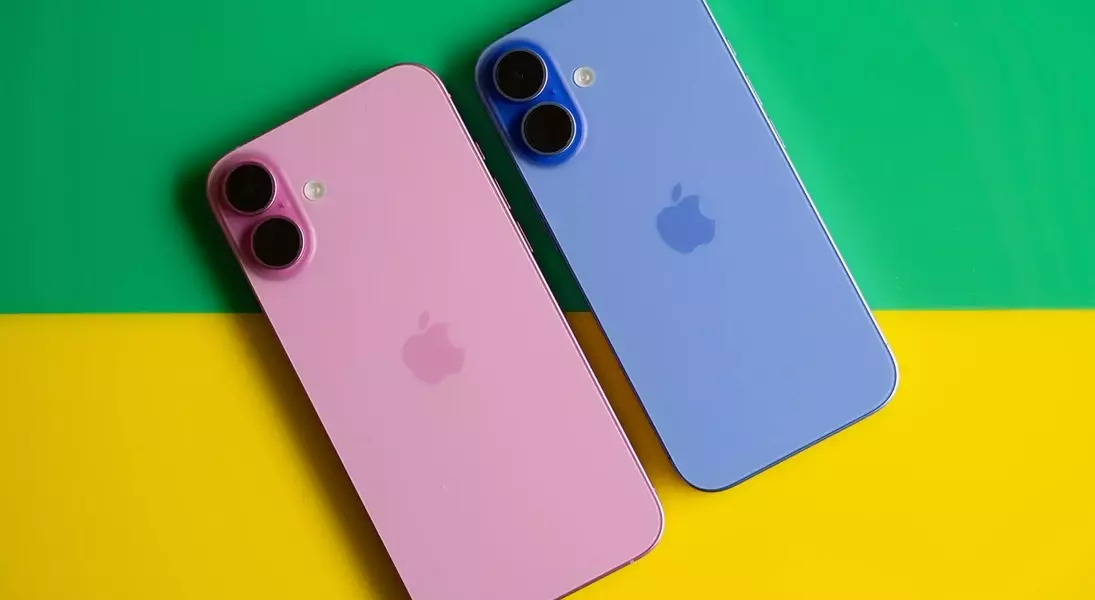
Apple has cemented its market dominance by announcing the shipment of its three billionth iPhone, a testament to its unparalleled sales capabilities despite facing scrutiny over AI and design. This achievement highlights a surging sales trajectory, with the most recent billion units sold in a mere four years. While the iPhone remains the company's primary revenue driver, questions persist about its long-term strategy amidst emerging technological shifts and the potential obsolescence of traditional phone concepts. Industry experts are keenly observing how Apple will navigate these evolving trends, particularly as new form factors and advanced AI capabilities redefine the mobile ecosystem.
The Unprecedented Growth of iPhone Sales
Apple has reached a significant benchmark, confirming the shipment of three billion iPhones globally. This monumental figure was disclosed by CEO Tim Cook during a recent earnings call, underscoring the tech giant's formidable sales prowess. Despite encountering various critiques over the past year, including concerns about its AI integration and recent design directions, the company's performance in the smartphone sector remains exceptionally robust. The sheer volume of units sold demonstrates Apple's continued ability to captivate consumers and maintain a leading position in a highly competitive market.
The growth trajectory of iPhone sales reveals an accelerating pace of adoption. It took Apple nine years from the iPhone's debut in 2007 to sell the first billion units, reaching this milestone in 2016. Remarkably, the journey to two billion units was completed in just five years, and the most recent billion iPhones were sold in an even shorter span of four years. This consistent acceleration is particularly noteworthy given the strong preference for iPhones among younger generations, particularly in the United States, suggesting that this upward trend is likely to persist. The company's consistent innovation and strong brand loyalty continue to drive these impressive sales figures, reinforcing the iPhone's status as a cultural and technological icon.
Navigating Future Challenges and Diversification
While the iPhone's success is undeniable, it also underscores a critical dependency: a substantial portion of Apple's business relies heavily on its smartphone sales. This concentration raises strategic questions about the company's preparedness for a future where the smartphone might not hold its current position as the predominant mobile device. Even high-ranking Apple executives have acknowledged the possibility that traditional smartphones may not be essential ten years from now. This perspective is particularly pertinent considering Apple's recent ventures into new form factors, such as its latest augmented reality devices, which have yet to achieve widespread market adoption. Furthermore, the company has faced challenges in seamlessly integrating cutting-edge AI features into its devices, an area where competitors are rapidly advancing.
The prospect of future technological shifts is clearly on the minds of Apple's leadership. Tim Cook has indicated that while emerging technologies are being explored, they are viewed primarily as complementary additions rather than direct replacements for existing devices. This cautious approach suggests that Apple aims to integrate new innovations without entirely abandoning its successful smartphone business model. However, with other tech pioneers developing advanced wearable technologies, such as smart glasses with sophisticated AI capabilities, the competitive landscape is constantly evolving. These developments could potentially influence Apple's future sales momentum and strategic direction, making diversification and forward-thinking innovation crucial for sustained leadership in the ever-changing tech industry.
