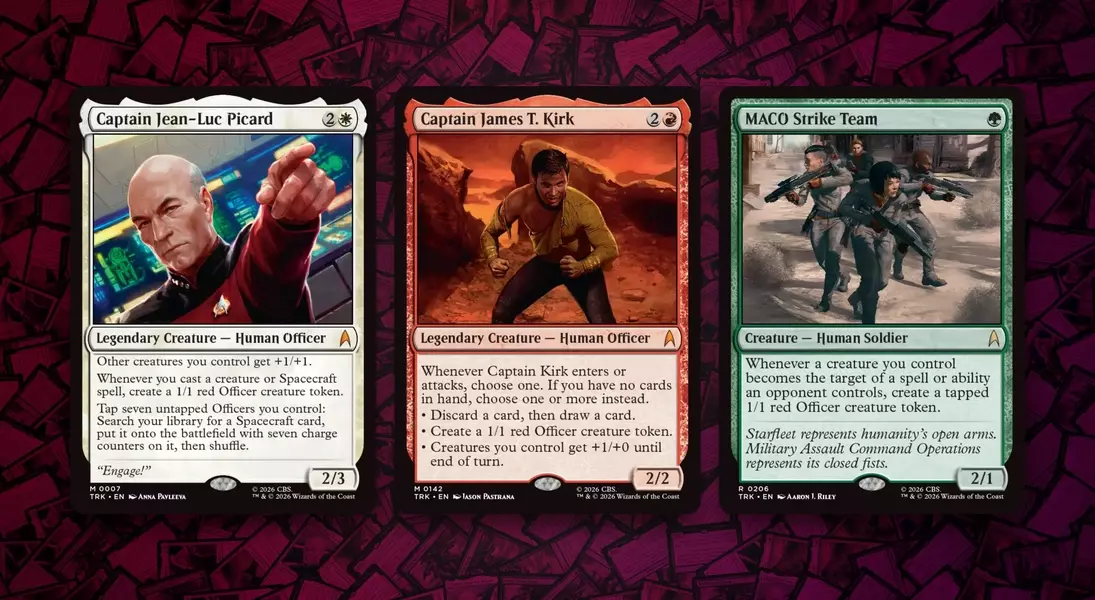
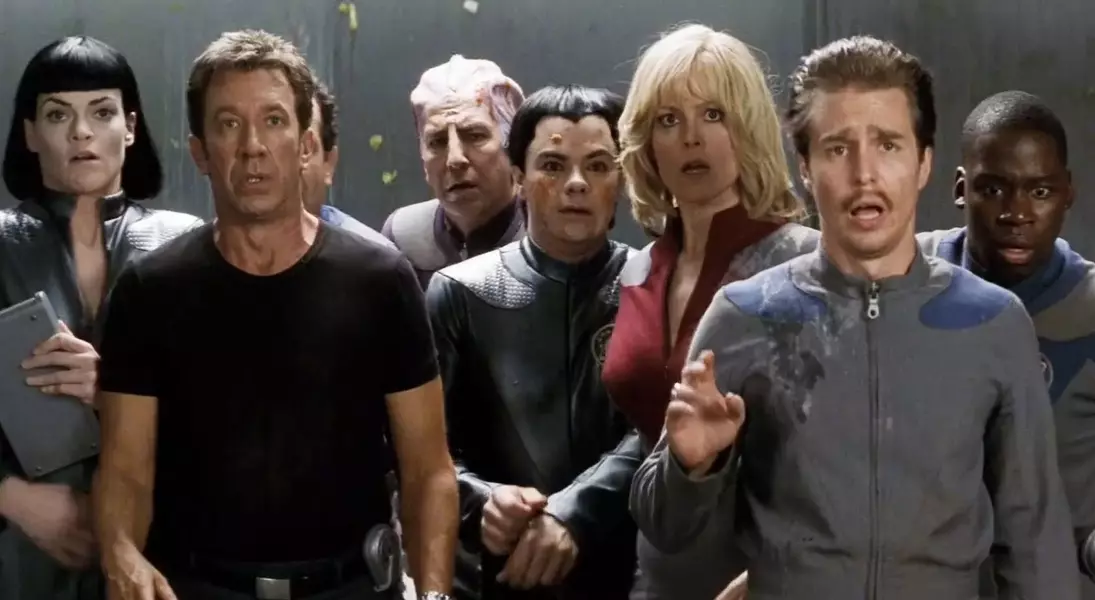
This article delves into the fascinating connection between the classic science fiction series 'Star Trek: The Original Series' and the popular trading card game 'Magic: The Gathering Star Trek.' It highlights how a specific game mechanic – the creation of 1/1 red Officer tokens – is a deliberate and ingenious tribute to 'Star Trek's' most enduring and often darkly humorous trope: the 'redshirt.' The narrative traces the origin of this trope, where characters in red uniforms, typically security or operations personnel, were frequently killed off to signal danger without sacrificing main cast members. The article then explores the cultural impact and evolution of this phenomenon, showcasing its influence on other media, such as the novel 'Redshirts' and the film 'Galaxy Quest,' before returning to its clever integration into the 'Magic: The Gathering' universe, providing a unique gameplay element that mirrors the original series' narrative.
The Enduring Legacy of Starfleet's Redshirts in Gaming and Pop Culture
In the expansive universe of 'Magic: The Gathering Star Trek,' a peculiar yet consistent game mechanic has captivated fans: the generation of 1/1 red Officer tokens, irrespective of the base color of the card that creates them. From the white-aligned Captain Benjamin Sisko to the green-aligned MACO Strike Team, these red tokens are a direct and knowing wink to a long-standing inside joke within the 'Star Trek' franchise. This distinctive choice by the game's designers pays homage to the infamous 'redshirt' phenomenon from 'Star Trek: The Original Series.'
During the initial voyages of the U.S.S. Enterprise, Captain James T. Kirk, Mr. Spock, and Dr. Leonard McCoy would often lead away teams to uncharted planets. While Kirk typically wore gold, signifying command, and Spock and McCoy donned blue for their scientific and medical roles, the security and operations personnel, represented by characters like Chief Engineer Montgomery Scott and Communications Officer Nyota Uhura, were clad in bright red. It quickly became a recurring visual cue that any nameless crew member wearing a red uniform accompanying the senior staff on these perilous missions was highly likely to meet an untimely demise. These 'redshirts' served as a narrative device to emphasize the seriousness of a situation without sacrificing the main characters, thereby establishing a darkly humorous tradition in science fiction.
This iconic trope transcended the confines of 'Star Trek: The Original Series,' embedding itself deeply into popular culture. Even when 'Star Trek: The Next Generation' later revised the uniform color scheme, placing top officers like Captain Jean-Luc Picard and Commander William T. Riker in red, the 'redshirt' concept remained a prevalent cultural touchstone. Authors and filmmakers have since drawn inspiration from this idea. John Scalzi's Hugo Award-winning novel, 'Redshirts,' directly confronts this narrative device, following an ensign who experiences an alarmingly high casualty rate among his fellow junior officers. Similarly, the beloved 'Star Trek' parody film, 'Galaxy Quest,' features Guy Fleegman, a character who, having played a doomed, nameless crew member in the fictional series within the movie, is constantly convinced he will suffer the same fate in real life. His journey, however, culminates in a surprising subversion of the trope, as he survives and even achieves a promotion.
The integration of these red Officer tokens into 'Magic: The Gathering Star Trek' perfectly encapsulates the essence of the 'redshirt' trope. These tokens are designed to be disposable, serving as strategic chump blockers or fodder for more potent card effects, such as those activated by General Chang, Cold Warrior, safeguarding more valuable assets. Their vulnerability is particularly pronounced against the Borg, who generate their own creature tokens. Yet, these Officers are not entirely without their uses; they can be instrumental in Stationing Spacecraft or, with the assistance of Captain Jean-Luc Picard, even allow players to summon a Spacecraft directly from their deck onto the battlefield. This clever design decision by 'Magic's' developers demonstrates a profound understanding of 'Star Trek's' legacy, transforming a humorous yet grim narrative element into a unique and engaging gameplay mechanic.
The playful nod to the 'redshirt' trope in 'Magic: The Gathering Star Trek' highlights how cultural phenomena can be ingeniously integrated into new forms of media. It serves as a reminder that even the darkest running jokes can become beloved elements, influencing storytelling and engaging audiences across different platforms. This creative homage not only enriches the gaming experience but also deepens the appreciation for the original 'Star Trek' series' enduring impact on the collective imagination.
