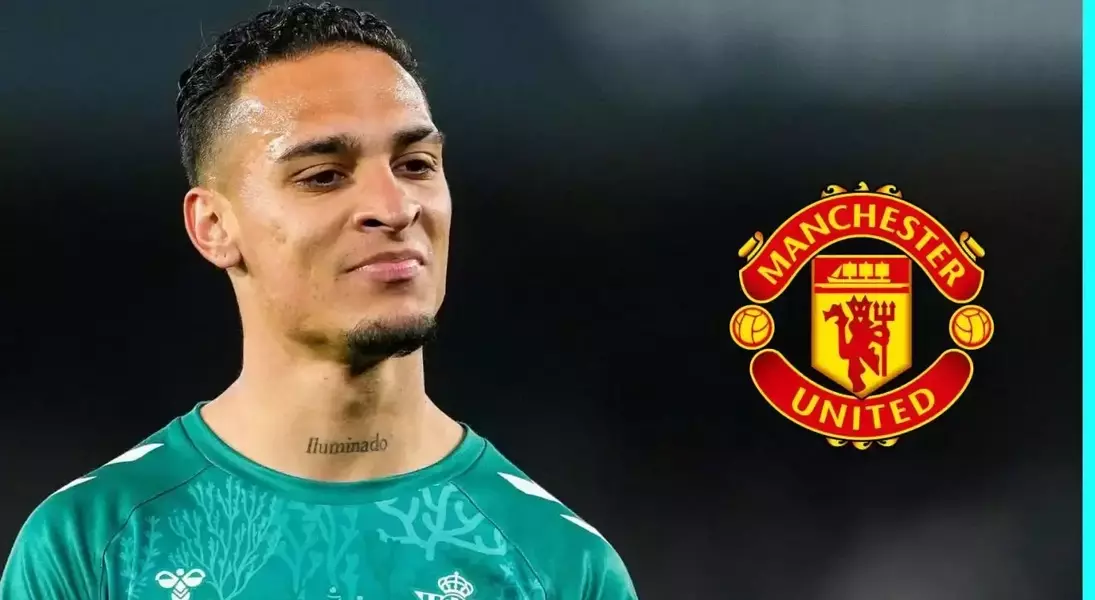
In the dynamic world of football transfers, Manchester United finds itself navigating a complex landscape, particularly concerning their Brazilian winger, Antony. He has reportedly rejected two separate bids from other clubs, firmly setting his sights on a return to Real Betis. This decision highlights a player's strong preference in a market often dictated by club interests. Concurrently, United is actively working to streamline their squad, aiming to offload several players, sometimes referred to as the 'bomb squad,' to create financial flexibility for future team enhancements. The club's recent acquisitions and departures underscore their strategic adjustments, reflecting an ongoing effort to reshape their roster and financial standing.
Antony's unwavering commitment to joining Real Betis is a significant development in the current transfer window. After a successful loan spell with the La Liga side last season, the player's desire to make the move permanent is evident. Reports from Spanish media, specifically Estadio Deportivo, indicate his clear preference, dismissing overtures from various leagues, including the English Premier League, where Nottingham Forest and Newcastle United showed interest, as well as opportunities in Turkey and Russia. This resolute stance from Antony presents a challenge for Manchester United, who are keen to facilitate his departure to secure funds for their own transfer targets.
The situation surrounding Antony is part of a broader narrative at Old Trafford, where the club is actively engaged in a squad overhaul. Following the recent departure of Marcus Rashford to Barcelona, Manchester United is looking to move on other high-profile players. Names like Alejandro Garnacho, Jadon Sancho, and Tyrell Malacia are also on the list of potential exits. The arrival of new talents such as Matheus Cunha and Bryan Mbeumo further emphasizes the strategic restructuring, indicating that Antony's role within the squad has diminished, making his departure a logical step for both player and club.
The financial implications of player transfers are a constant talking point in football, and Manchester United's dealings have often drawn scrutiny. The club has faced criticism for perceived overspending on players in the past, with Antony himself being cited as an example of a substantial investment made when his market value was high. More recently, the acquisition of Bryan Mbeumo for £71 million, despite initial reluctance from Sir Jim Ratcliffe to exceed a £65 million valuation, has reignited discussions about the club's transfer strategies. Experts, including former Man City financial adviser Stefan Borson, have suggested that competitive pressure from rival clubs like Liverpool, Tottenham, and Arsenal might lead United to make decisions that appear reactive rather than strictly pre-planned.
This pressure to compete in the transfer market, where other top clubs are making significant investments, can influence negotiation outcomes. The narrative suggests that even strong negotiating positions can waver under the intense spotlight of club performance expectations and fan demands. This dynamic creates a challenging environment for club executives, who must balance financial prudence with the immediate need to strengthen the squad. Ultimately, the interconnected nature of the transfer market means that a decision made by one club can have ripple effects, influencing the strategies and financial outlays of others, as seen in United's recent transfer activities.
In conclusion, the ongoing transfer saga involving Antony underscores the complex dynamics of modern football, where player aspirations, club strategies, and market pressures intersect. Antony's firm resolve to join Real Betis necessitates a careful approach from Manchester United, who are simultaneously working to optimize their squad and financial health. The club's recent transfer decisions, including significant outlays for new talent, reflect a strategic pivot towards building a competitive team, even if it means navigating challenging negotiations and facing public scrutiny over spending. This period marks a crucial phase for Manchester United as they aim to refine their roster and adapt to the competitive demands of the sport's global transfer market.
