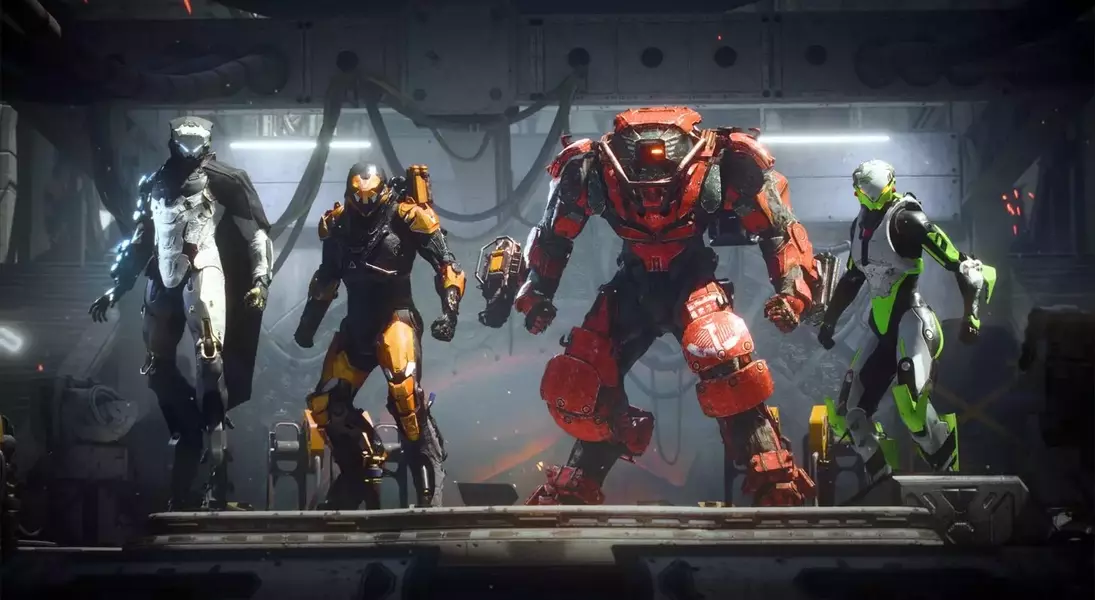
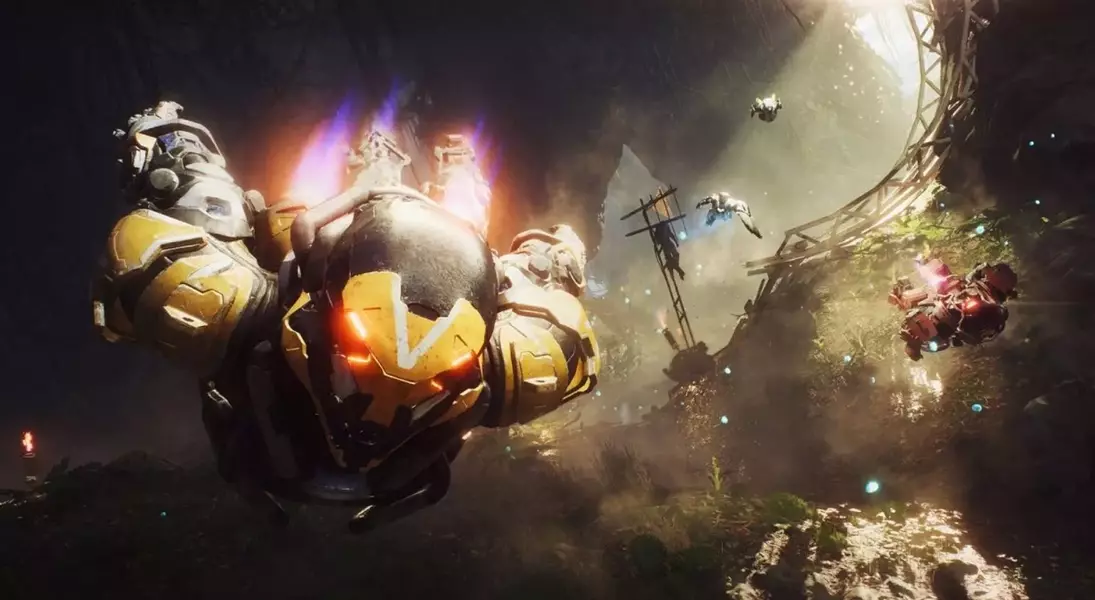
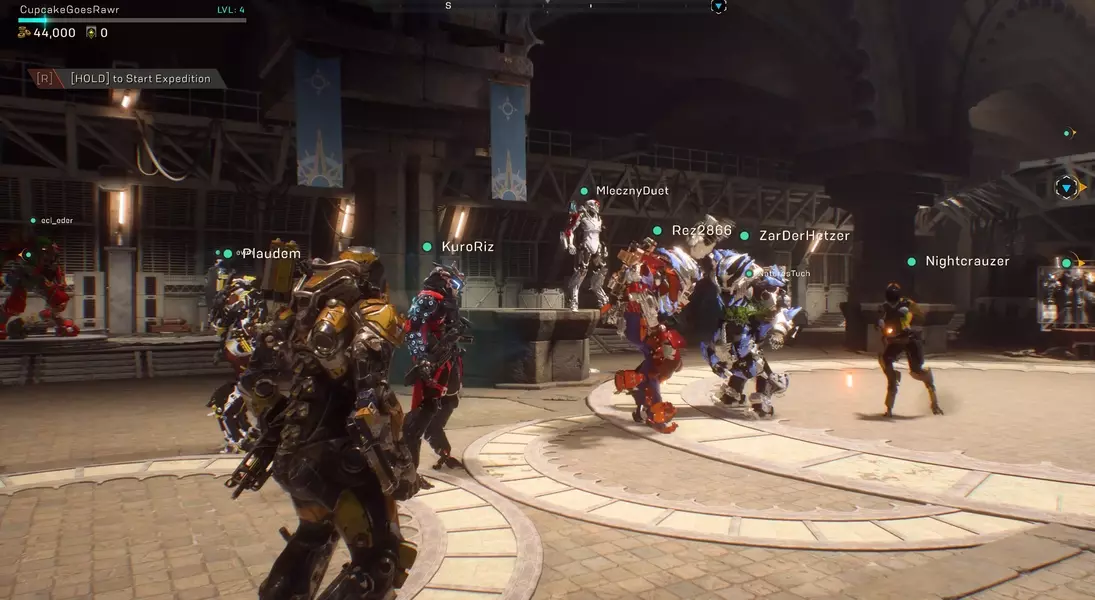
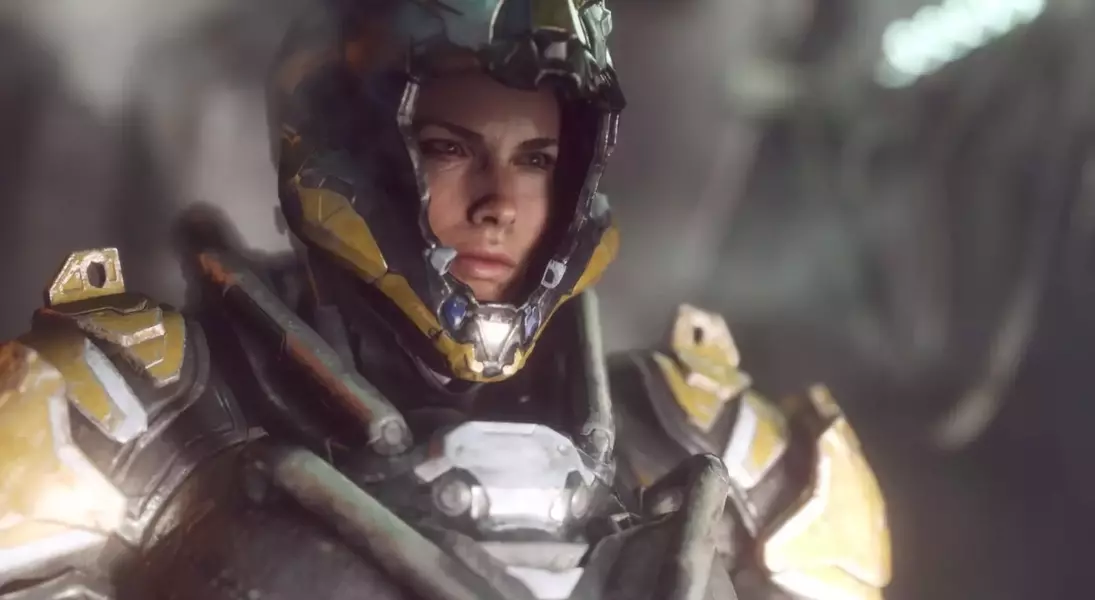
Following the definitive end of Anthem's official support, a surprising revelation from a former BioWare executive producer has sparked optimism among dedicated fans. The executive suggests that the foundational code necessary for running the game on local servers remains accessible within the project's archives. This insight opens the door to a potential community-led effort to revive the game through private servers, a common practice for titles whose official online services have ceased. Such a revival would allow players to once again immerse themselves in Anthem's world, independently of official publisher support. However, the realization of this dream would hinge either on considerable ingenuity from third-party developers or an improbable act of generosity from Electronic Arts, the game's publisher.
The Uncharted Path to Anthem's Revival: Local Server Code and Community Aspirations
On a recent Monday afternoon, the live service journey for the title Anthem officially concluded. Yet, the conversation surrounding its fate took an unexpected turn with statements from Mark Darrah, formerly an executive producer and project lead at BioWare. During a comprehensive video chronicling the game's challenging development, Darrah disclosed that the capability for local server operation was present in Anthem's development environment until shortly before its initial launch. He noted that while the current functionality of this code is uncertain, it is indeed available for recovery and potential use. This 'client-server' architecture meant that while the official game relied on central servers to manage its core logic, the existence of local hosting code implies that players' personal computers could, theoretically, host network sessions, allowing others to connect directly.
Darrah further envisioned an alternative future where Anthem might be re-engineered as a single-player experience, complete with AI companions, and visually updated to contemporary standards. He estimated such an undertaking would require an additional investment of $10 million—a sum he candidly admitted Electronic Arts would be highly unlikely to provide, given their long-standing desire to divest from the project. Despite Darrah's personal leaning towards single-player experiences influencing his vision, the mere knowledge that Anthem once possessed local hosting capabilities has fueled speculation among its most fervent supporters. They now believe there's a tangible, albeit challenging, path for skilled enthusiasts to develop their own private server solutions.
Historically, player communities have successfully resurrected online games. Examples include the modders behind Northstar, who created an alternative to Titanfall 2's beleaguered official servers, and the Kyber mod for Battlefront 2, which offers its own dedicated player-operated multiplayer. While Anthem, with its live-service nature and pseudo-MMO elements, might present a more complex technical challenge, requiring advanced traffic analysis and engineering expertise, the prospect of its resurrection persists. The hope remains that, against all odds, the dedicated 'freelancers' of Anthem will once again take flight, their adventures sustained by the passion of the community.
The potential for Anthem's return, even in an unofficial capacity, offers a fascinating case study in game preservation and community resilience. In an era where online-only games face an inevitable expiration date, the idea that players could take the reins and keep beloved titles alive is powerful. It highlights the dedication of fan bases and their technical prowess, often filling voids left by publishers. While the road ahead for an Anthem private server is undoubtedly fraught with technical and legal hurdles, the mere possibility invigorates a community that refuses to let their cherished game fade into oblivion. This movement underscores a broader desire within the gaming world for greater control over digital assets and the longevity of virtual experiences, urging both developers and publishers to consider the long-term accessibility of their creations.
