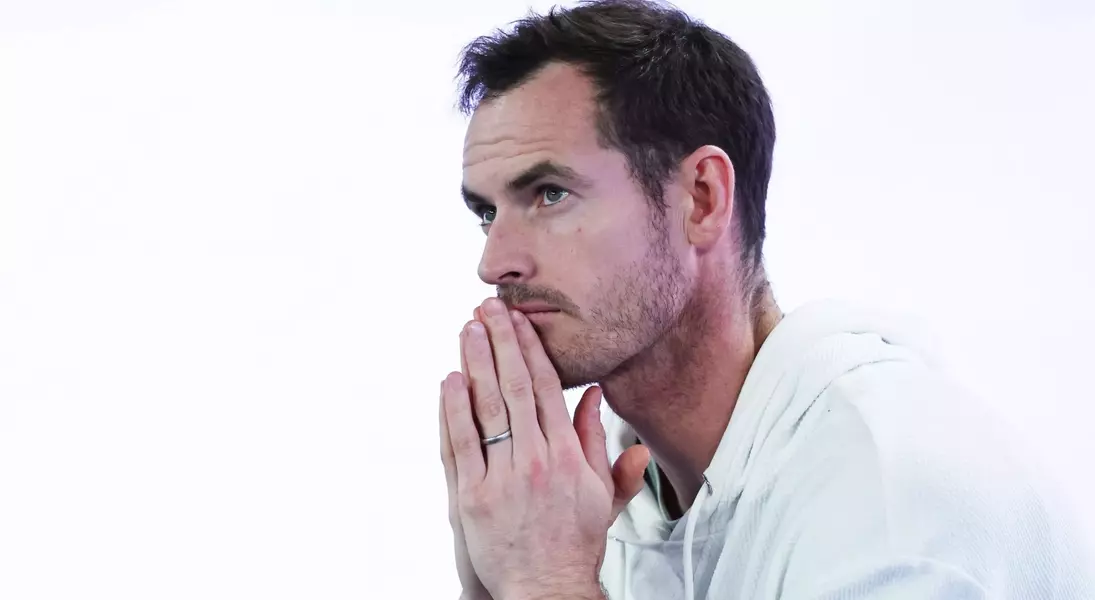
This article delves into the surprising declaration by tennis legend Andy Murray regarding his decision not to attend Wimbledon as a spectator this year, offering insights into his reasoning and the broader context of his celebrated career and the enduring legacy he has carved at the iconic All England Club.
A Champion's Choice: Wimbledon's Allure, Through Murray's Eyes
A Storied History at the All England Club
Sir Andy Murray, a name synonymous with Wimbledon triumphs, boasts an impressive record at the prestigious grass-court Grand Slam, having clinched the coveted title on two occasions. His victories, particularly the memorable straight-sets win over Novak Djokovic in 2013 and his subsequent triumph in 2016 against Milos Raonic, cemented his place in the annals of tennis history. Such profound achievements have naturally led the All England Club to consider a lasting tribute, with plans for a statue in his honor currently underway.
The Grandiose Tribute: A Statue in the Making
In a recent interview on the Ainslie + Ainslie Performance People podcast, Debbie Jevans, Chair of the All England Club, confirmed discussions with Murray and his team about erecting a statue. This monument is slated for unveiling during the 150th anniversary of the first championship in 1877, underscoring the significance of Murray's contributions to the tournament's rich heritage. The meticulous involvement of Murray and his representatives in this project ensures the tribute will accurately reflect his legacy.
A Spectator's Absence: Murray's Personal Stance
Despite the grand plans for his statue and his deep connection to Wimbledon, the 38-year-old former world number one revealed to The Guardian his current disinterest in attending the tournament as a mere fan. Murray candidly admitted he has no specific plans to be there unless compelled by his children's desire to experience the atmosphere from the stands or if a fellow British player makes it to the championship match. This sentiment echoes a past instance where he attended the Djokovic-Alcaraz final, drawn by the anticipation of an exceptional contest.
Beyond the Court: Life After Professional Play
Murray's remarks paint a picture of a celebrated athlete who, having spent countless hours competing at the highest level, prefers to distance himself from the intensity of the professional circuit when not directly involved. His priorities have shifted, making personal family moments or truly extraordinary on-court events the only catalysts for his presence at an event that once defined his professional life. This perspective offers a rare glimpse into the mindset of athletes once they step away from the demanding spotlight of elite competition.
