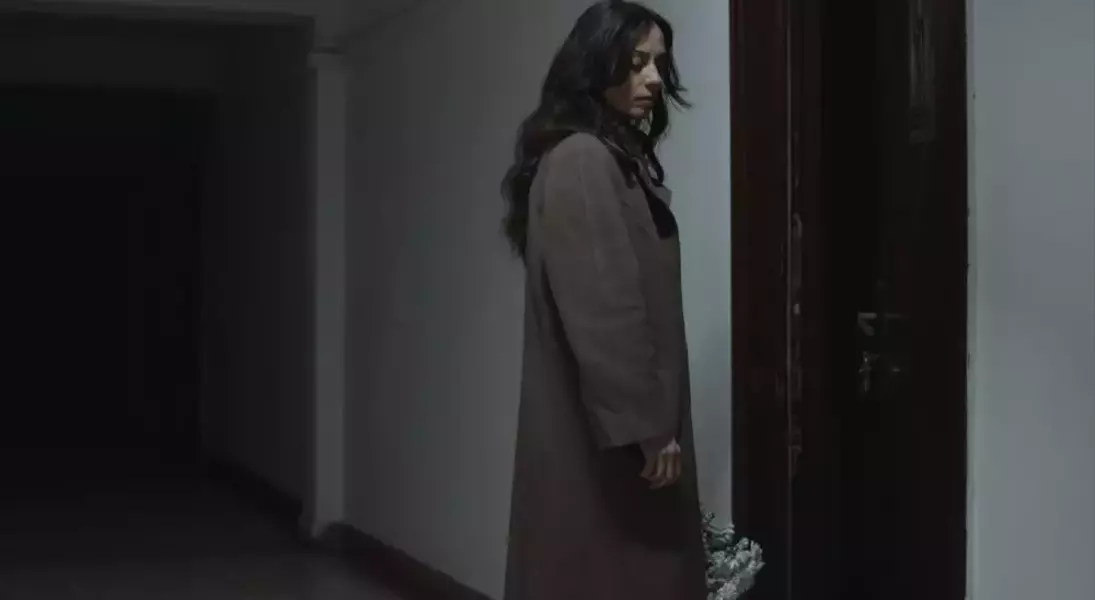
Exploring the intricate realms of life, death, and the uncanny, Andrei Epure's feature film debut, 'Don't Let Me Die,' promises a journey into the heart of 'sabotaging realism.' This cinematic creation, which expands upon his earlier short, 'Intercom 15,' offers a distinctive perspective on the aftermath of a cryptic demise, inviting audiences to question the boundaries of perception and existence.
Unveiling the Layers of Reality: A Deep Dive into the Human and the Mystical
The Lingering Aftermath of an Enigmatic Departure
The film introduces us to Maria's reluctant immersion into the peculiar circumstances following the discovery of Isabela's body. Her neighbor's sudden absence initiates a series of interactions with the bureaucratic and the absurd, transforming Maria into an unwitting curator of the deceased's final affairs. This unsettling process peels back the veneer of ordinary existence, revealing a world where the mundane can swiftly turn surreal.
A Festival Showcase for a Visionary Narrative
Co-written by Epure and Ana Gheorghe, 'Don't Let Me Die' has garnered attention at the Locarno Film Festival's Filmmakers of the Present section. Representing Romanian cinema, the movie is a testament to the collaborative efforts of Saga Film, Handplayed, Tomsa Films, Arrogant Films, and Conceptual Lab by Theo Nissim, highlighting its significant international appeal and production depth.
The Power of Auditory Immersion: Sound as a Narrative Force
Epure articulates his deliberate use of sound to challenge conventional perceptions of reality, creating an immersive experience that transcends visual storytelling. The haunting echoes of Isabela's last moments, intertwined with the poignant cries of her abandoned pets, establish a motif of unaddressed pleas and ignored sorrows. This sonic tapestry, reminiscent of a horror film's tension without adhering to the genre, is crafted to stir the imagination and emphasize Isabela's spectral presence and absence.
Characters as Archetypes: The Wanderer and the Ghost
The film's characters, Maria and Isabela, embody the duality of 'guest' and 'host,' ultimately converging into a singular 'ghostly' essence. Their shared characteristics, especially their nomadic tendencies and connection to the 'stray' archetype, underscore a fundamental otherness. The revelation of Isabela's son Dan's unusual inherited trait further blurs the line between human and animal, suggesting a profound, primal connection that defines their identities.
Challenging Conventional Realism: A Romanian Director's Unique Vision
Drawing inspiration from Romanian folklore, particularly the enigmatic 'strigoi,' Epure consciously deviates from the prevailing cinematic norms of his homeland. He employs 'soft ruptures' to interrogate and deconstruct realism, weaving moments of bizarre dialogue and communal eccentricities into the narrative. This approach fosters an atmosphere where Maria, and by extension the audience, grapples with the sensation of observing a hidden conspiracy or an unspoken agreement among others, highlighting a reality just beyond reach.
The Spectator's Role: Witness and Participant in a Shared Experience
Epure underscores the viewer's active role, akin to Maria's, as both a detached observer and an entangled participant in the unfolding events. This dynamic interplay between witnessing and engaging allows Isabela's spectral influence to pervade, compelling the audience to navigate the film's nuanced binaries and immerse themselves in its uniquely unsettling world.
