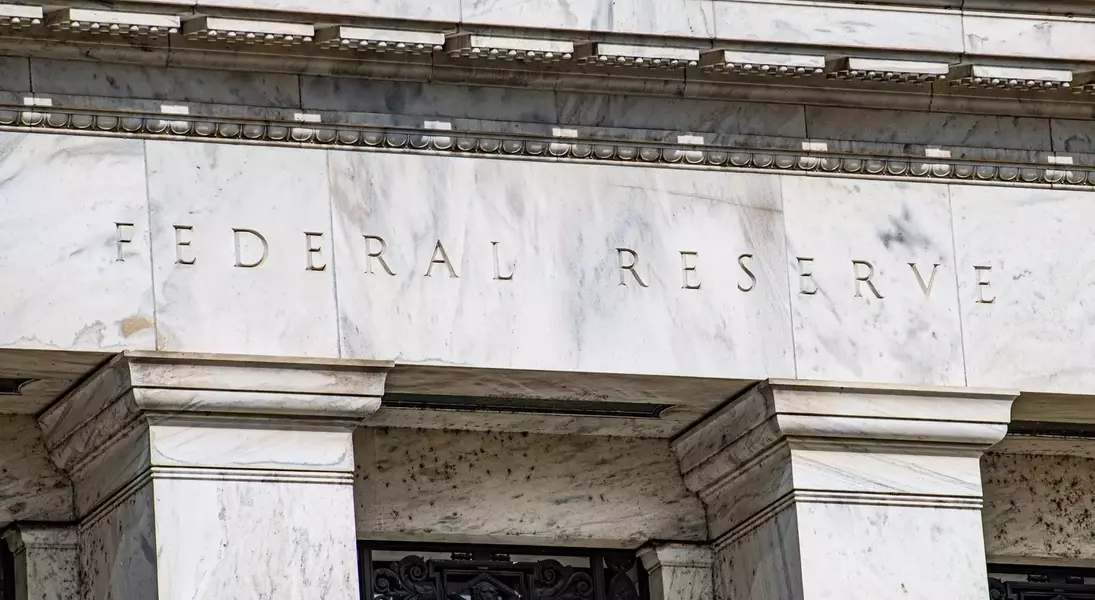
The recent announcement by President Trump regarding Kevin Warsh's nomination for the Federal Reserve Chair position immediately reverberated across financial markets. This reflects the significant influence the Fed Chair holds over monetary policy and economic stability. Warsh, a former Federal Reserve Board governor, brings a distinct perspective on monetary policy, which has prompted considerable discussion and speculation among economists and market participants.
However, despite Warsh's strong individual opinions, his capacity to enact sweeping changes to the Federal Reserve's policy direction may encounter practical limitations. The Federal Open Market Committee (FOMC) operates on a consensus-driven model, requiring broad support for major policy shifts. Furthermore, any new Fed Chair must navigate complex political and confirmation processes, in addition to establishing credibility within the institution and with the public. These factors collectively suggest that a unilateral overhaul of existing monetary policy is improbable in the near term.
Looking ahead, while Warsh's appointment might not lead to an immediate change in the Fed's operational framework, it could influence market expectations, particularly regarding long-term interest rates and inflation. His known preference for a reduced Federal Reserve balance sheet, combined with ongoing concerns about inflation, could lead investors to demand a higher term premium on bonds. This indicates that while the immediate impact might be muted, his leadership could introduce new dynamics into the market's assessment of future monetary policy and economic conditions.
In conclusion, the nomination of a new leader for a pivotal economic institution like the Federal Reserve highlights the importance of visionary leadership and a balanced approach to policy. Effective governance requires not only strong convictions but also the ability to build consensus and adapt to evolving economic realities, ensuring stability and fostering sustainable growth for all.
