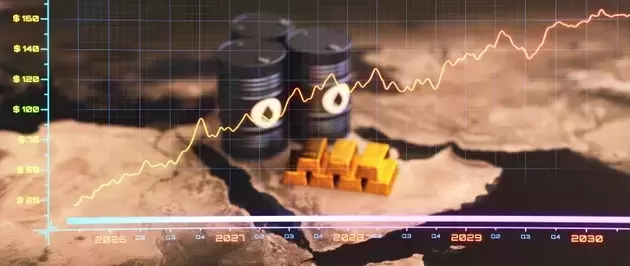
This article explores the intricate relationship between oil and gold, focusing on how their price ratio can serve as a strategic indicator for investors. By examining historical trends and market cycles, the analysis aims to highlight opportunities for hedging and capital management, emphasizing gold's enduring role as a long-term asset.
Unlocking Value: The Strategic Interdependence of Oil and Gold
Decoding the Oil-to-Gold Ratio: A Signal for Market Reversal
The oil-to-gold price ratio has recently fallen below its established historical baseline of 0.03 barrels per ounce, indicating a significant market shift. This dip suggests a potential change in momentum, presenting a unique opportunity for investors to adjust their strategies.
Echoes of the Past: Identifying Recurring Market Patterns
A detailed review of spot prices and the oil-to-gold ratio across key periods—1976-1982, 2005-2008, and the present market from 2022—reveals striking similarities in their behavior and Ichimoku cloud patterns. These recurring trends provide a strong basis for anticipating future market movements and validating a ratio-based trading approach.
Gold's Enduring Strength: A Superior Long-Term Hedge
While crude oil experiences periods of strong performance, gold consistently demonstrates its ability to outperform oil over extended durations. This long-term trend reinforces gold's critical role as a robust hedge against market volatility and a reliable asset for preserving wealth.
Seizing the Moment: Strategic Capital Management Through Ratio Analysis
The current, unusual decline in the oil-to-gold ratio offers a compelling, data-driven opportunity. Investors can leverage this ratio as an effective instrument for strategic capital management and risk mitigation, optimizing their portfolios in response to market dynamics.
