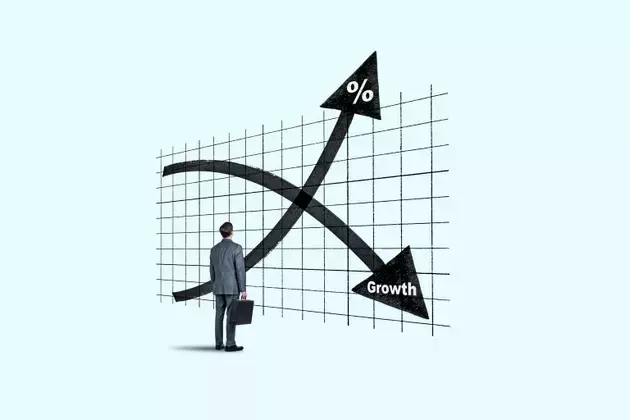
The WisdomTree U.S. High Dividend Fund (DHS) is facing significant headwinds, leading to a strong recommendation for its divestiture. This assessment is based on several intrinsic weaknesses that are poised to hinder its long-term performance, positioning it unfavorably against comparable investment vehicles. A primary concern is its substantial allocation to industries currently experiencing decline, which inherently limits its growth prospects despite a seemingly attractive dividend yield. Furthermore, the fund's high payout ratios suggest that a large portion of its earnings is being distributed as dividends, potentially at the expense of reinvestment in future growth or maintaining a healthy financial buffer. This, coupled with a lack of exposure to innovative sectors, forms a precarious foundation for sustained value creation.
Moreover, the operational costs associated with DHS, specifically its 0.38% expense ratio, represent an additional drag on investor returns. In an environment where every basis point counts, this fee structure can noticeably erode the total returns when compared to more efficiently managed dividend-focused funds. The fund's strategic bias towards defensive sectors and its minimal footprint in technology-driven growth areas further exacerbate its limitations. While defensive positions can offer stability during volatile times, they often come at the cost of significant capital appreciation potential. This dual constraint—high costs and a growth-averse portfolio—renders DHS an unattractive option for investors seeking robust long-term total returns.
Considering these factors, investors should carefully re-evaluate their holdings in DHS. A diversified portfolio often benefits from investments that not only provide income but also demonstrate strong potential for capital growth and are managed cost-effectively. Seeking out opportunities that align with future economic trends and embrace innovation, rather than being anchored in mature or declining sectors, is crucial for achieving sustained financial success and fostering a dynamic, resilient investment strategy.
