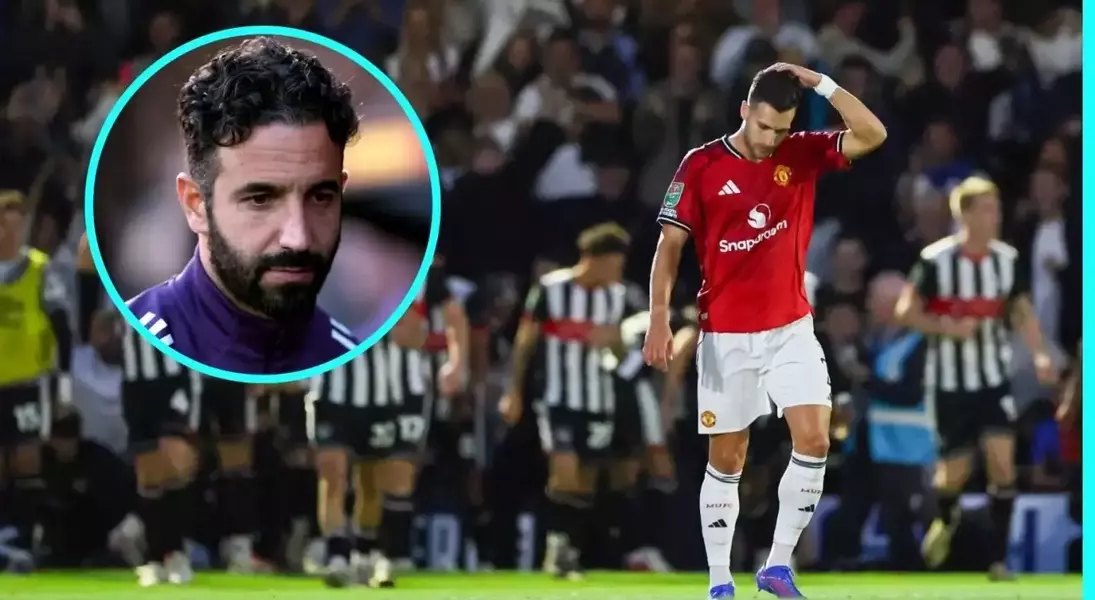
Following a stunning defeat to Grimsby Town in the League Two Cup, Ruben Amorim, Manchester United's manager, has found himself at the center of a storm of criticism. This unexpected loss, particularly coming after a penalty shootout, has led to widespread condemnation from both football analysts and the fanbase. The nature of the defeat, where Grimsby not only matched but often surpassed their more illustrious opponents for a significant portion of the match, has raised serious questions about the strategic approach and the team's preparedness.
Tactical Blunders and Team Performance Under Scrutiny
The recent devastating loss to Grimsby Town has cast a long shadow over Ruben Amorim's leadership at Manchester United, drawing widespread condemnation. Analysts and fans are vocally criticizing his persistent reliance on a 3-4-3 formation, even when it appears ill-suited for the match's flow and opponent's strategy. This rigid tactical adherence has been identified as a significant factor in the team's inability to adapt during critical moments, leading to a profound sense of disillusionment among supporters who are witnessing a stark decline in the club's on-field performance.
Critics point to specific instances where Amorim's tactical choices seemed to hinder, rather than help, the team. For example, the continued use of a back five even when facing a deeply entrenched Grimsby defense meant that an extra man in build-up often went to waste, rather than being utilized to create attacking overloads. This lack of strategic flexibility, coupled with the team's apparent lack of fight and understanding of the game's demands, particularly in the first half, has led to calls for a reassessment of the coaching staff and the club's overall direction. The visible frustration of players and the widespread disbelief from commentators underscore the gravity of the situation, making the Grimsby defeat a potential turning point in Amorim's tenure.
The Broader Implications and Future of Manchester United
The repercussions of Manchester United's shocking exit from the League Two Cup extend far beyond just a single match, amplifying existing concerns about the club's long-term trajectory. This unexpected defeat, particularly given the financial disparities between the clubs, has intensified scrutiny on the decision-makers at the highest levels of the club's management. The outcome of this match has undeniably raised urgent questions about the club's direction and whether the current leadership can navigate these turbulent waters.
The discussion now shifts from merely analyzing a bad result to evaluating the foundational issues within the club. Simon Stone of the BBC argues that the onus for finding solutions does not fall solely on Amorim but on the broader club hierarchy. With Manchester United trailing in 15th place last season, far below expectations for a club of its stature, the Grimsby defeat underscores a systemic issue. The spotlight is now firmly on minority owner Sir Jim Ratcliffe, chief executive Omar Berrada, and technical director Jason Wilcox, who are tasked with charting a new course for the club. Their decisions in the coming months will be crucial in determining whether Manchester United can reclaim its position among football's elite or continue its unsettling decline.
