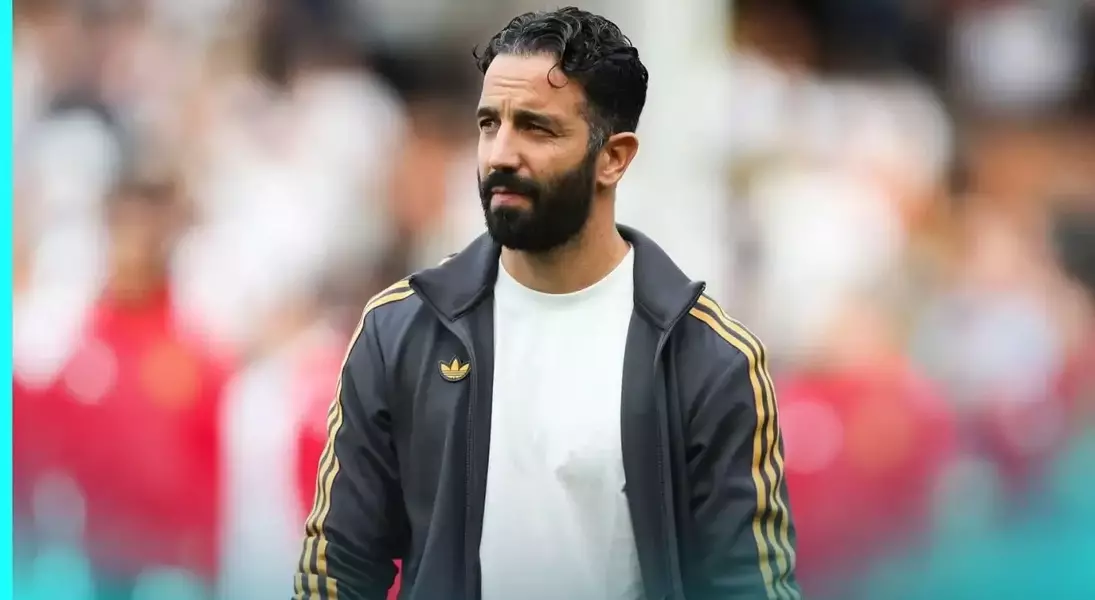
This article chronicles the significant transformation in Manchester United manager Ruben Amorim's public discourse regarding the team's struggles. Initially, Amorim was quick to absorb blame for the club's shortcomings, a stark contrast to many of his managerial peers. However, a recent and deeply embarrassing defeat against Grimsby Town, a team from a lower division, appears to have shifted his perspective, leading him to directly challenge his players' performance and commitment. This marks a pivotal moment in his tenure, highlighting the immense pressure and the complex issues plaguing the prestigious football club.
Managerial Crossroads: The Aftermath of Grimsby Defeat
On a recent and highly anticipated match day, Manchester United, under the guidance of Ruben Amorim, suffered a shocking defeat to Grimsby Town, a team from League Two. The game, which took place 300 days after Amorim's appointment, saw United fall behind by two goals before forcing a penalty shootout. The subsequent 26-penalty drama culminated in a decisive miss by £65 million striker Bryan Mbeumo, leaving Amorim visibly dejected in the dugout. This humiliating loss underscored a significant shift in Amorim's public persona. While he initially presented a hopeful and optimistic outlook, emphasizing a connection with the club and a return to past glory, his demeanor has increasingly reflected the immense challenges faced by the team.
His early interviews, such as the one with Gary Neville on Sky, showcased a confident and jovial manager, full of ambitious dreams for the club's future. Yet, as the season progressed, this optimism waned, replaced by candid admissions about the team's underperformance. Following a 3-1 defeat to Brighton in January, Amorim controversially declared his squad potentially "the worst team in Manchester United's history," a statement that shocked many but underlined his willingness to confront harsh realities head-on. This self-deprecating honesty distinguished him from other managers who often deflect criticism. His repeated use of collective pronouns like "we" underscored a shared responsibility for the team's plight.
Even after the Europa League final loss to Tottenham, a defeat that saw Ange Postecoglou lose his job, Amorim stood by his conviction, stating he was still the right person for the role and even offering to resign without compensation if the board desired. However, the latest debacle against Grimsby seems to have exhausted his patience with the players themselves. For the first time, Amorim explicitly criticized his squad, lamenting their lack of effort and hinting at a fundamental disconnect. His post-match interview revealed a physically and emotionally drained manager, looking downcast and avoiding eye contact, a stark contrast to his initial confident arrival. He articulated a sense of "limit," suggesting a breaking point in his ability to tolerate such dismal performances without significant changes. The club's substantial investment of nearly £300 million in transfers during the summer, a clear vote of confidence, has yet to yield desired results, leaving Amorim to grapple with a squad that appears unresponsive to his tactical instructions and a growing list of internal issues, including goalkeeper problems and disaffected players.
The journey of Ruben Amorim at Manchester United serves as a poignant reminder of the relentless pressures and unforeseen challenges in top-tier football management. It highlights how even the most self-aware and seemingly resilient leaders can be pushed to their emotional and professional limits when faced with persistent underperformance and a complex organizational culture. This situation underscores the critical need for alignment between a manager's vision and the players' execution, a synergy that appears to be missing at Old Trafford. For any football club, sustained failure inevitably leads to a search for accountability, and as Amorim's recent comments suggest, that search is now squarely focused on the very individuals on the pitch.
