This report delves into the recent challenges faced by Manchester United's head coach, Ruben Amorim, focusing on his stance regarding player retention amidst transfer rumors and his candid reflections on managing the team's performance and public image. The narrative highlights the tension between team expectations and individual player aspirations, alongside the emotional toll of a high-stakes managerial role in professional football.
Amorim's Candid Revelations Amidst Manchester United's Turmoil
In a recent press briefing, Ruben Amorim, the esteemed head coach of Manchester United, passionately articulated his desire for the promising young midfielder, Kobbie Mainoo, to remain at Old Trafford and bravely contend for his rightful place within the squad. This declaration comes amidst a swirling vortex of transfer speculation that has enveloped Mainoo throughout the summer, with whispers escalating after his noticeable absence from the initial two Premier League fixtures. Adding to the drama, Mainoo's start in the League Cup clash against Grimsby Town offered little solace, as the League Two adversaries inflicted a humiliating penalty shootout defeat upon Amorim's side.
Reports indicate that Mainoo, with the upcoming World Cup looming large, has expressed a desire for a temporary loan move. Addressing these rumors, Amorim acknowledged the inevitable disappointment of players not regularly featuring but underscored the equal opportunity for all to prove their worth. His remarks underscore a philosophy of internal competition and unwavering dedication required from every team member.
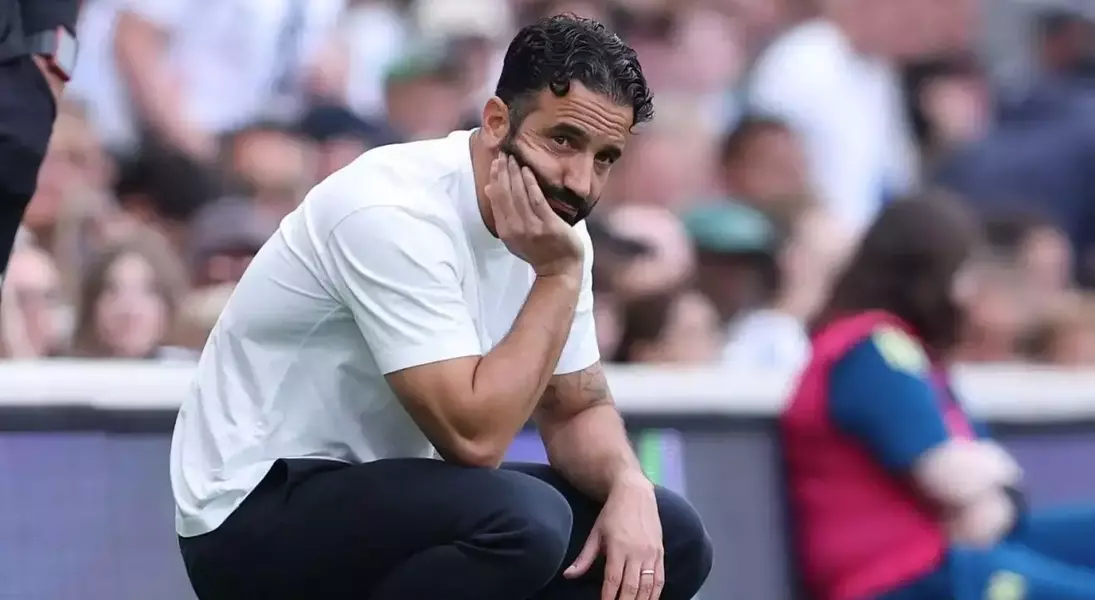
Furthermore, Amorim offered an unfiltered glimpse into his emotional state following the disheartening loss to Grimsby. He admitted to oscillating between intense frustration and profound affection for his players, rejecting the notion of conforming to a more tempered public persona. "This is simply my approach," he stated with conviction, "and I intend to remain true to myself." He confessed to moments of contemplating resignation and others of aspiring to a two-decade tenure, revealing the volatile emotional landscape of a top-tier football manager. Despite external counsel to maintain a consistent and serene front for the media, Amorim affirmed his commitment to authenticity, stating, "I possess a profound passion, and in that moment, I was undeniably vexed and disheartened." He reflected on a promising pre-season and consistent performances, lamenting a brief lapse against Fulham and the subsequent dismay over the Grimsby result. Nevertheless, his gaze is now firmly fixed on the forthcoming encounter, resolute in moving past recent setbacks.
From a journalist's perspective, this situation at Manchester United under Amorim highlights the multifaceted pressures faced by modern football managers. Beyond tactical prowess and team cohesion, the ability to navigate complex player dynamics, manage media narratives, and honestly express the raw emotions of the game becomes paramount. Amorim's frankness, though unconventional, offers a refreshing transparency in an often-guarded industry. It prompts reflection on whether such an unfiltered approach can ultimately foster greater understanding and resilience within the team, or if it risks exacerbating an already volatile environment. Only time will tell if this passionate authenticity will prove to be his greatest asset or his most significant challenge in the demanding world of top-flight football.
