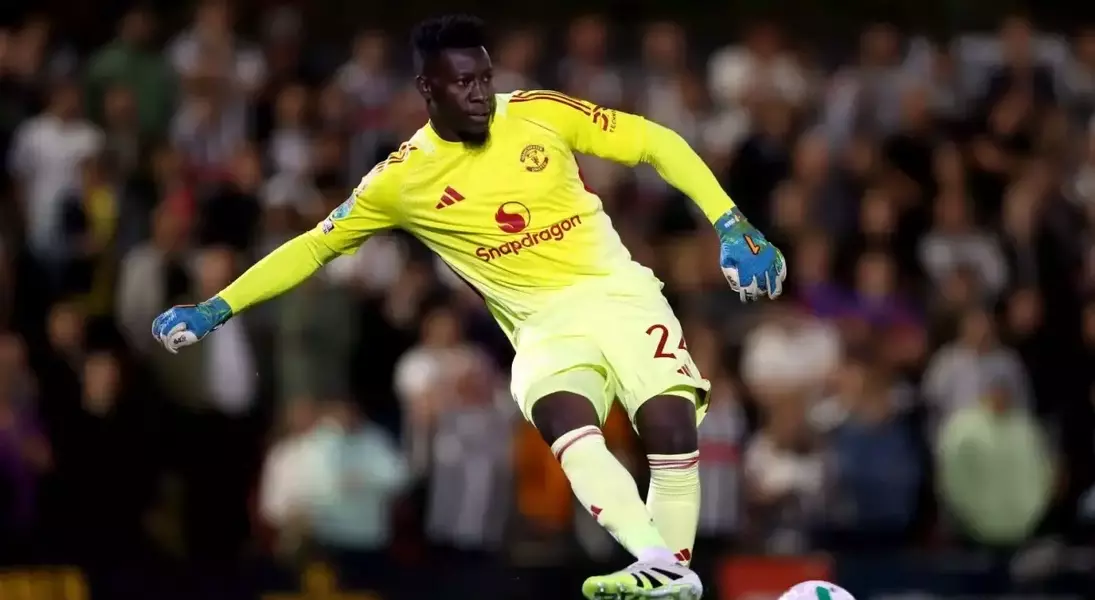
Manchester United's recent exit from the League Cup at the hands of Grimsby Town has ignited a fierce debate, with manager Ruben Amorim stepping forward to defend his goalkeeper, Andre Onana, amidst widespread criticism. The unexpected defeat, marked by Onana's errors, has prompted a deeper reflection within the club regarding their performance and collective responsibility. Amorim's stance highlights a crucial point: attributing blame solely to one player overlooks the systemic issues that permeate the entire team's approach to competition, especially against ostensibly weaker opposition. This incident serves as a stark reminder that success and failure are often the result of collective effort, or lack thereof, rather than individual heroics or blunders.
The unexpected loss to Grimsby Town in the League Cup has sent ripples through Manchester United, prompting manager Ruben Amorim to vehemently defend goalkeeper Andre Onana. The match saw United's hopes dashed after Onana's errors directly led to two Grimsby goals in the first half. Charles Vernam's shot slipped past Onana at his near post, and Tyrell Warren doubled Grimsby's lead when the United keeper misjudged a corner. Despite goals from Bryan Mbeumo and Harry Maguire forcing a penalty shootout, Grimsby ultimately triumphed 12-11, securing a shocking upset.
Managerial Defense and Team Accountability
Following the significant upset in the League Cup, Manchester United's head coach, Ruben Amorim, staunchly defended goalkeeper Andre Onana, whose performance drew considerable scrutiny. Amorim, redirecting the focus from individual error, emphasized that the team's struggles against a lower-division opponent were indicative of a collective mindset and insufficient intensity from the entire squad, rather than isolated blunders from the custodian. He articulated that the environment and the team's overall approach to such fixtures play a more decisive role than any single player's actions, challenging the narrative that solely blames Onana.
In the aftermath of Manchester United's League Cup defeat by Grimsby Town, manager Ruben Amorim provided a staunch defense of Andre Onana, rejecting the notion that the goalkeeper alone was responsible for the team's premature exit. Amorim asserted that the team's poor showing stemmed from a collective lack of intensity and a flawed approach to the match, particularly against a League Two side. He highlighted that such a performance reflects broader issues within the team's dynamics and readiness, rather than merely Onana's mistakes, despite his direct involvement in Grimsby's early goals. This perspective underscores a systemic challenge, suggesting that all players contributed to the outcome through their collective attitude and effort.
Reflecting on Performance and Future Implications
The Grimsby match has forced a critical internal assessment for Manchester United, with the manager acknowledging a troubling recurrence of past mistakes. Amorim expressed profound apologies to the devoted fan base, acknowledging their unwavering support even in the face of such disappointing results. He admitted that witnessing similar errors repeatedly is particularly disheartening, signaling a need for significant introspection and strategic adjustments to prevent further setbacks and restore confidence among supporters and within the team.
The disappointing outcome against Grimsby Town has prompted significant introspection within the Manchester United camp, with manager Ruben Amorim openly lamenting the team's failure to learn from previous seasons' errors. He conveyed deep remorse to the club's loyal supporters, acknowledging that their unwavering backing deserved a much better performance. Amorim's remarks indicate a recognition of recurring patterns of underperformance and a lack of competitive intensity, which contributed to the surprising defeat. This moment of reflection signals a critical juncture for the team, demanding a thorough re-evaluation of their strategy and approach to prevent the repetition of such disheartening results in the future.
