
The Amman International Film Festival (AIFF) has emerged as a crucial incubator for Arab cinematic talent, providing a platform where filmmakers can freely express their unique visions. Through its dynamic Pitching Platforms, the festival offers invaluable financial and in-kind support across various categories, including Jordanian First Film, Arab Projects for Development, and Post-Production. In a region where cinematic resources can be scarce and creative expression often faces obstacles, this initiative offers not just tangible assistance but also vital connections, recognition, and momentum, empowering a new generation of storytellers.
Among the standout projects, Egyptian filmmaker Jad Chahine presented “The Masters of Magic and Beauty,” a captivating generational saga infused with magical realism. Chahine explained that the film draws inspiration from the dichotomy between his upbringing in a culture rooted in tradition and the enchanting myths shared by his grandmother. The narrative begins with a fantastical premise: a man inadvertently consumes a fertility herb meant for his wife, leading to his pregnancy and an enduring generational curse. Chahine emphasized that the film's provocative elements are not merely for shock value but serve to expose the inherent vulnerabilities within societal structures, including gender roles, power dynamics, and ancestral lines. This daring approach aligns with the festival's embrace of innovative storytelling formats, which jury member Eduardo Guillot noted is essential for the progression of contemporary cinema.
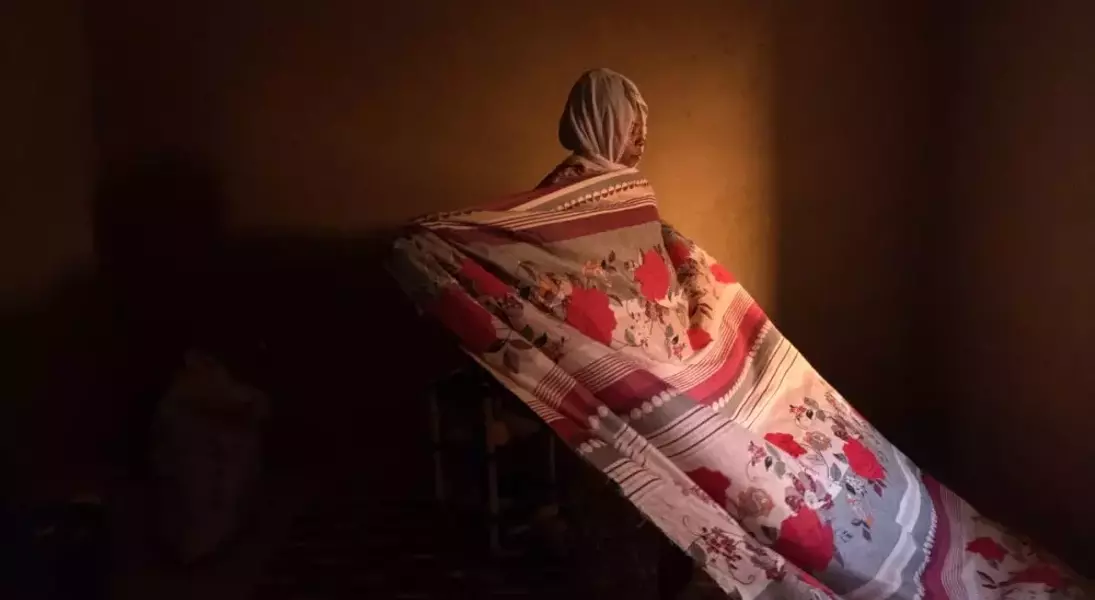
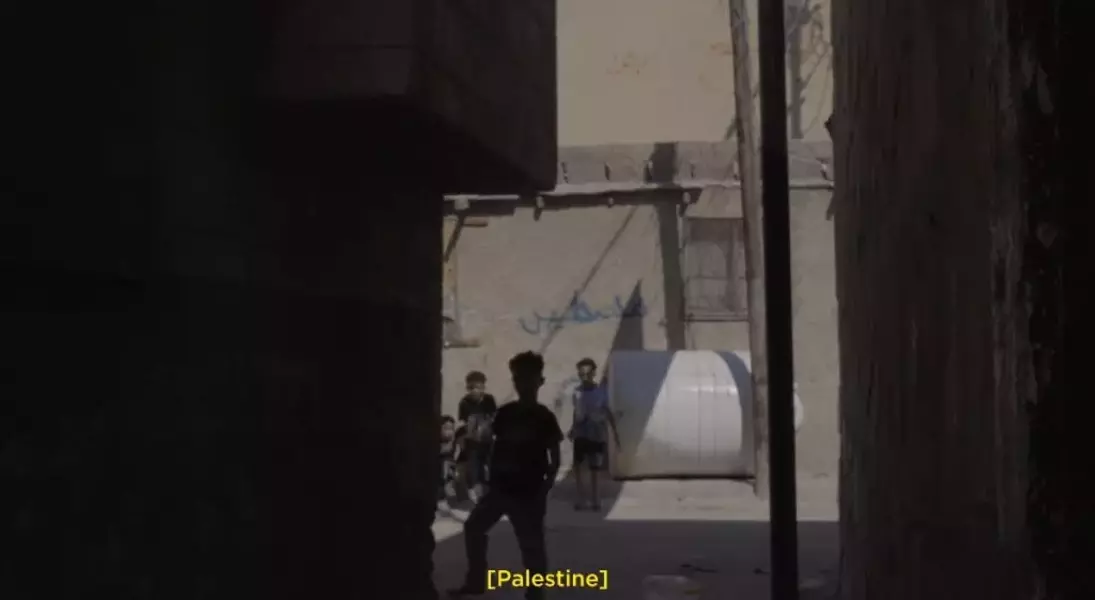
In the Jordanian first film category, Bayan Abuta'ema, a Palestinian filmmaker residing in Jordan, gained recognition for her documentary, “From Temporary to Semi-Permanent.” This film offers an intimate exploration of displacement and identity within Palestinian refugee communities. Abuta'ema underscored the moral imperative of her work, stating that documenting the ongoing struggles of her people, particularly in light of events in Gaza, is a profound responsibility. She received multiple awards, including professional consultations and in-kind development support, which she believes will enable her to amplify her story's impact and reach a global audience. Abuta'ema also highlighted the profound camaraderie among her fellow filmmakers, describing it as an inspiring and supportive environment.
Hamza Hamideh's documentary, “Asphalt,” set within Jordan's largest Palestinian refugee camp, found a particularly resonant reception at AIFF. Having already garnered significant acclaim at Cannes Docs, Hamideh observed that the largely Arab audience at Amman possessed a deep understanding of the film's cultural nuances, leading to an especially gratifying response from both the jury and attendees. This reception, he noted, has instilled in him a heightened sense of responsibility to ensure the film's meticulous completion. Guillot lauded projects like “Asphalt” as pivotal in shaping the trajectory of Arab cinema, expressing eager anticipation for their theatrical release.
In the Post-Production category, Moroccan co-directors Ali Benchekroune and Mohamed Bakrim secured support for “Testosterone,” a raw and unflinching genre film that delves into the complexities of masculinity in crisis. Benchekroune described their protagonist, Karim, as a character adrift in a challenging environment, relying on deception and a fragile display of strength as coping mechanisms. The award of professional color grading and DCP creation is crucial for ensuring the film meets international standards. Daniel Habib, a Lebanese-American filmmaker whose project “Kobra” was also featured in this section, advocated for the revival of genre cinema in the region, emphasizing the importance of cultural ownership in storytelling and creating films that resonate with his own heritage.
Ager Ouelasti, another post-production award recipient for her project “You Don’t Die Two Times,” echoed the sentiment regarding the platform's significance, stating that it validates the importance of the narratives being told and provides encouragement to persevere through challenges. Her team plans to utilize the support for crucial post-production work, including editing, sound, and color grading, in preparation for festival submissions. Other notable awardees included Murad Abu Eisheh’s “The Orange Grove,” Saleh Saadi’s “Ping Pong,” Kinda Kuri’s “The Last Mayor of Jerusalem,” Tamir Naber’s “Six 2 One,” Amal Ramsis’s “Like a Bird in the Sky,” Khaled Al Swidan’s “Amal,” Maged Nader’s “All the Wind Can Carry,” and Lina Soualem’s “Alicante.”
The Amman Film Festival's Pitching Platforms have undeniably established themselves as a vital force in the development of Arab cinema. By empowering filmmakers from across the region to share their compelling and often challenging stories of survival, transformation, and identity, the festival sends a clear message: Arab cinema is a dynamic and burgeoning artistic movement, confidently asserting its voice on the global stage. As Benchekroune passionately articulated, the goal is to move beyond conventional portrayals and present authentic, intricate, and impactful narratives. Abuta’ema powerfully summarized this ethos, affirming that for these filmmakers, storytelling transcends mere remembrance; it is about transforming absence into a tangible presence. The festival’s rapid ascent in just a few short years, as observed by Guillot, solidifies its role as a key catalyst in shaping the future of contemporary Arab filmmaking.
