
Grappa, an ancient Italian spirit born from distilled grape pomace, is embarking on an exciting new chapter across the Atlantic. While long cherished in Italy as a post-meal digestif, American distillers are now embracing this high-proof liquor, infusing it with fresh perspectives and innovative techniques. This burgeoning trend is transforming grappa's traditional image, introducing a diverse range of expressions that honor its heritage while pushing creative boundaries. The following exploration delves into three exemplary American grappas, each representing a unique take on this storied beverage and contributing to its growing appeal in the US market.
For centuries, grappa has been an integral part of Italian culinary culture. Originating as far back as the 14th century, this clear, potent spirit is crafted from the residual grape skins, seeds, and stems left over from winemaking – a testament to early upcycling and sustainable practices. With an alcohol content typically ranging from 70 to 120 proof, grappa is known for its ability to extract subtle floral and delicate fruit notes from its base material. Traditionally consumed neat or with a twist of lemon, it is often believed to aid digestion after a rich meal, or sometimes combined with espresso to create a "caffè corretto." This rich history and distinctive character have long defined grappa's identity.
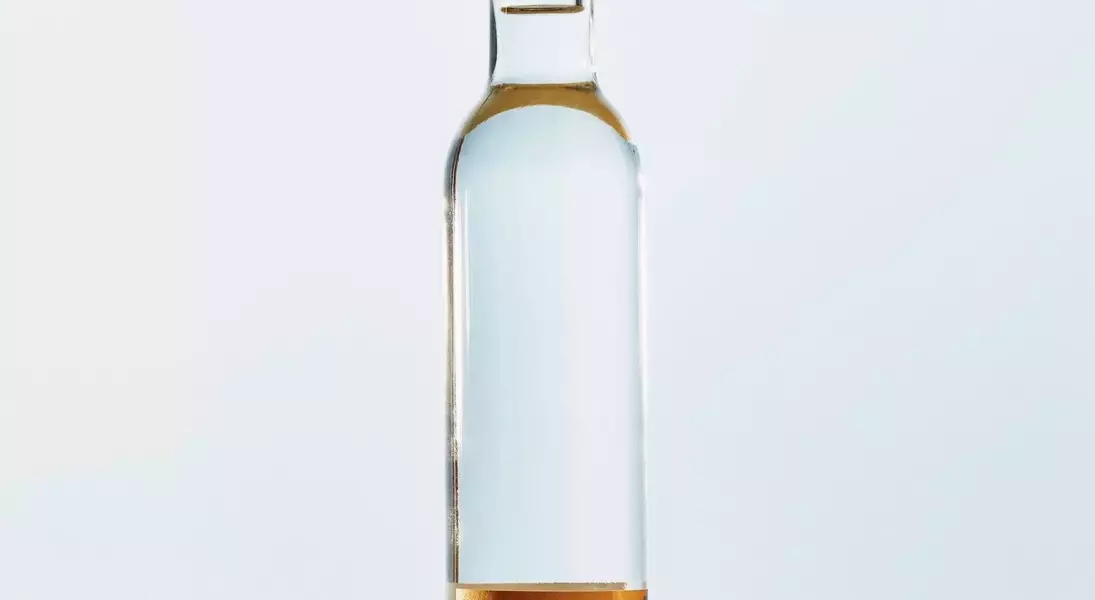
However, the American distilling scene is now reimagining grappa. One notable example is the Riesling Grappa from Finger Lakes Distilling in New York. This crystal-clear spirit, distilled from delicate Riesling grapes, offers a gently perfumed vegetal note balanced by a restrained minerality. Its refined profile stands proudly alongside its Italian counterparts, demonstrating that American craftsmanship can indeed rival established traditions. This grappa exemplifies a commitment to quality and a nuanced understanding of the spirit's potential, making it a strong contender in both local and international markets.
Another impressive American interpretation comes from Bethel Rd with their Grappa di Moscato. Built on the aromatic foundation of the Muscat grape, this particularly fragrant bottle unfolds with delicate notes of jasmine and peach, further enriched by heady lychee and white flowers. What sets Bethel Rd's offering apart is its exceptional smoothness, a stark contrast to some of the harsher grappa varieties. This accessibility and aromatic complexity make it a delightful choice for both seasoned enthusiasts and newcomers to the spirit, proving that grappa can be both traditional and approachable.
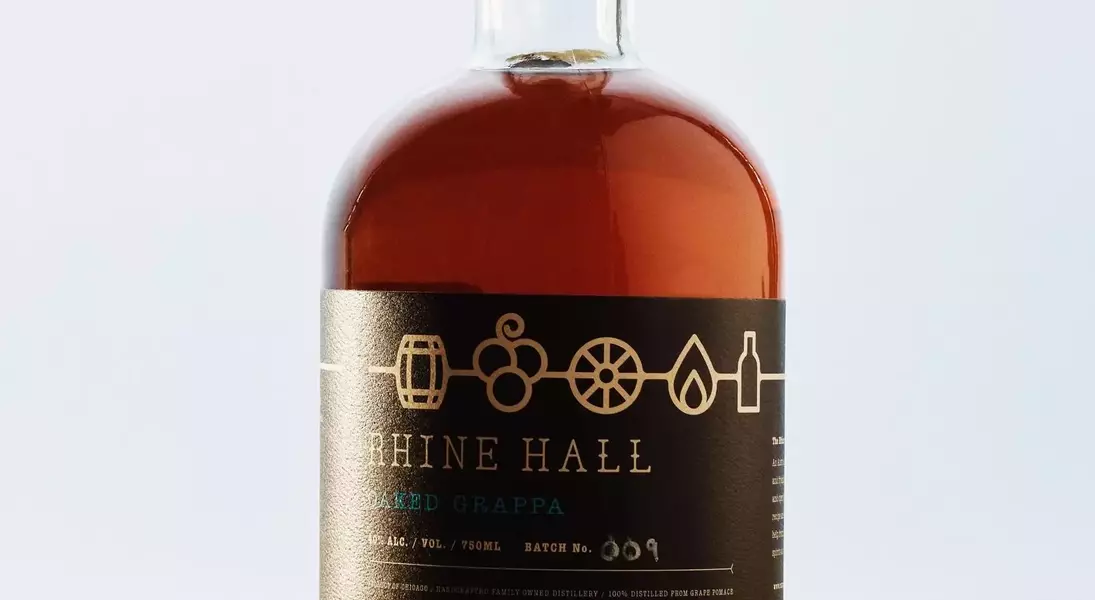
Finally, Rhine Hall's Oaked Grappa showcases a unique aging process, a practice less common but not unheard of in Italy, and quite distinctive in the emerging American grappa market. This spirit is carefully matured in American oak barrels for a minimum of nine months, during which it develops a luscious caramel hue and a smoother, more mellow character. The aging process transforms some of its sharper edges, allowing deeper flavors like honeyed raisin and leather to come to the forefront. This innovative approach by Rhine Hall highlights the potential for grappa to evolve beyond its initial clear, unaged form, offering a richer and more complex sensory experience.
The American craft distilling movement is truly reshaping the narrative of grappa. By drawing inspiration from Italy's ancient techniques while embracing local ingredients and innovative aging methods, distillers in the United States are introducing a dynamic range of grappas. These new expressions not only celebrate the spirit's enduring legacy but also expand its appeal, inviting a wider audience to discover the nuanced flavors and versatile character of this remarkable grape pomace distillate. This blend of tradition and innovation ensures that grappa's journey continues to evolve, captivating palates with each distinctive bottle.
