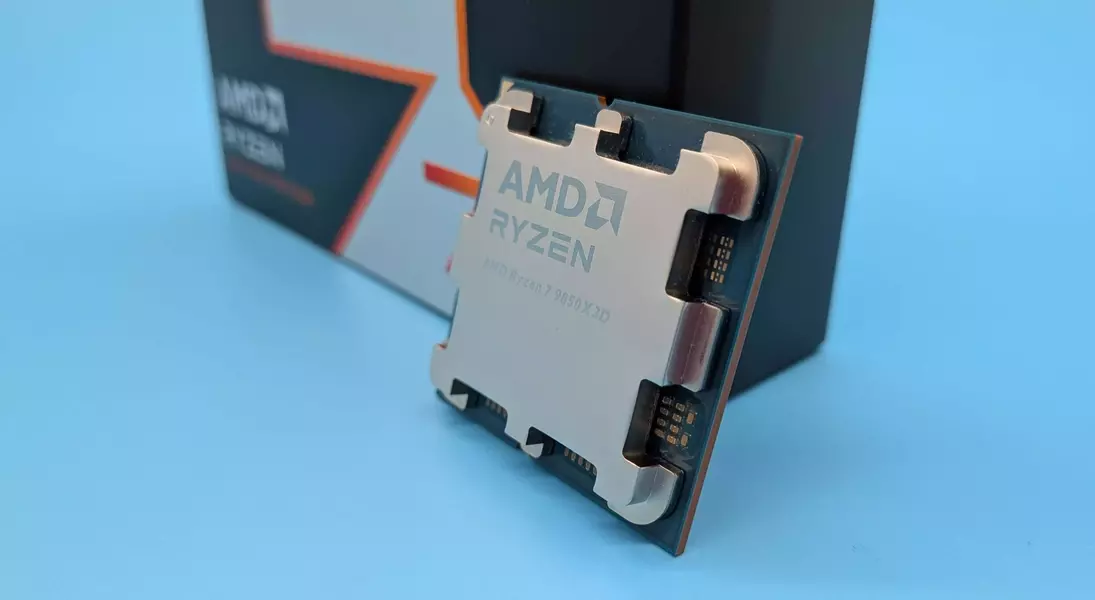
AMD is set to introduce its latest Zen 6 EPYC server processors later this month, marking a significant step in the evolution of computing hardware. This rollout, confirmed by AMD's Chief Technology Officer, signals a promising future for both server and potentially desktop computing. These new processors are designed to deliver substantial performance and efficiency gains, built on advanced manufacturing processes that could redefine industry standards.
The announcement came from AMD's Chief Technology Officer and Executive Vice President, Mark Papermaster, during the Raise Summit 2026. He detailed that the sixth generation of Zen processors, which began its journey in 2017, would be unveiled at AMD's advancing AI event on July 22nd and 23rd. This initial launch focuses on server-oriented EPYC processors, codenamed 'Venice.'
Papermaster highlighted that the 'Venice' processor is specifically engineered for traditional x86 workloads in server environments. A key advancement is its fabrication using TSMC's 2nm process, a notable departure from AMD's previous 5nm or 4nm processes. This smaller node size is anticipated to yield considerable improvements in performance and power efficiency. Initial projections from AMD suggest a 1.7x increase in performance and efficiency, alongside a 30% boost in thread density compared to the prior generation.
The transition to a 2nm manufacturing process carries significant implications for future desktop computing. This technological leap enables more transistors to be packed into a smaller area, leading to greater efficiency and potentially higher core counts. For instance, it could allow for up to 12 cores per CPU chiplet, an increase from the current eight. This development opens avenues for powerful 12-core gaming-optimized CPUs with 3D V-Cache, as well as robust 24-core dual-die models tailored for highly multi-threaded applications. Enthusiasts are keenly awaiting the validation of these performance claims through real-world testing once the processors become available.
While the focus is currently on server processors, the advancements seen in the Zen 6 EPYC series instill optimism for a desktop Zen 6 release, potentially still on track for 2026. However, the current state of the hardware market, marked by declining global PC shipments and high costs for RAM and storage, presents a challenge. Despite these market conditions, early indications for desktop Zen 6 are encouraging, with rumors suggesting clock speeds exceeding 6.5 GHz for high-end models. Additionally, there are talks of a low-power, compact version, offering a versatile range of options to cater to diverse computing needs. The ultimate success of these new processors will hinge on their real-world performance and market reception.
