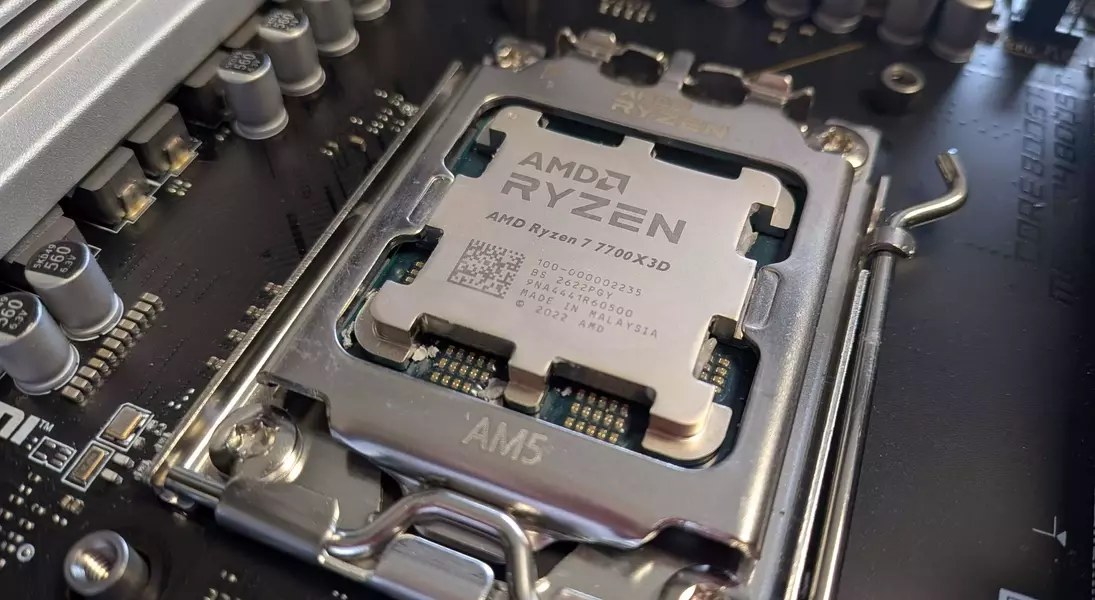
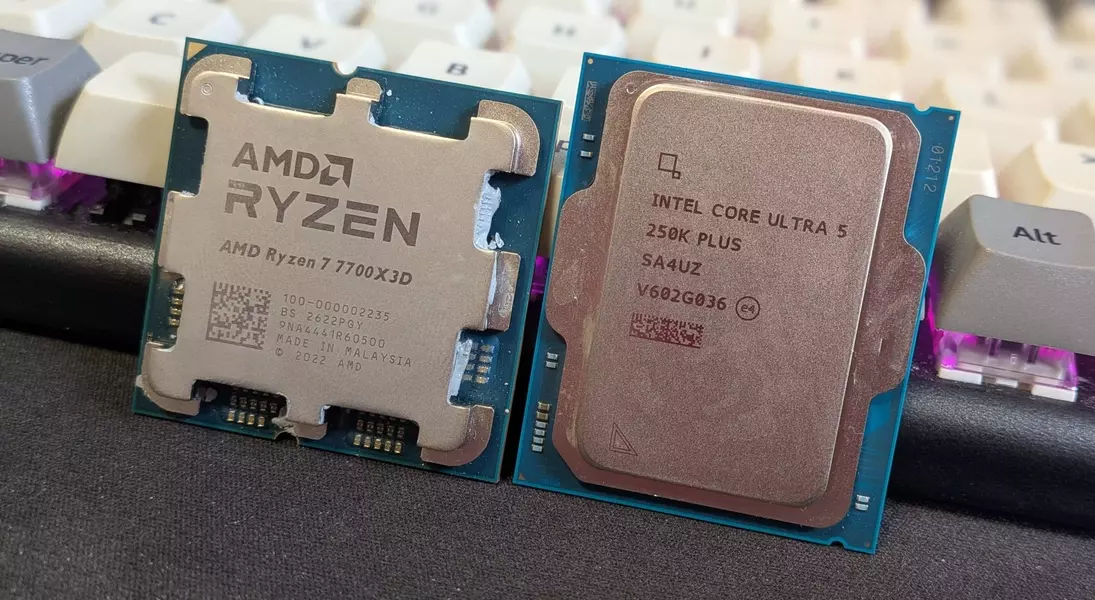
While AMD's 3D V-Cache processors are renowned for delivering unparalleled gaming frame rates, offering a silky-smooth experience for PC enthusiasts, a recent review of AMD's budget-friendly Ryzen 7 7700X3D has prompted a critical re-evaluation. The author now seriously considers opting for Intel's Core Ultra 5 250K Plus, challenging the long-held assumption of AMD's undeniable superiority for gamers. This shift in perspective is driven by the 7700X3D's market positioning and the compelling value proposition of Intel's latest offering, particularly when considering new system builds.
The core issue with the 7700X3D, a slightly underclocked version of the highly regarded Ryzen 7 7800X3D, lies in its pricing against its older sibling. Despite a lower official manufacturer's suggested retail price, the established presence and widespread availability of the 7800X3D mean its street price often matches or even undercuts the newer 7700X3D. Furthermore, while the 7700X3D is ideal for upgrading existing AM5 systems, Intel's Core Ultra 5 250K Plus presents a formidable alternative for those building a new PC from scratch, offering a blend of strong gaming and superior productivity performance at a significantly lower cost.
AMD's Value Proposition and Market Dynamics
AMD's intention with the 7700X3D was to provide a more accessible 3D V-Cache processor for those already invested in the AM5 platform. However, the market reality complicates this noble goal. The older, yet highly capable, Ryzen 7 7800X3D has been available for a longer period, resulting in a mature retail presence and competitive pricing that often nullifies the 7700X3D's supposed budget advantage. This creates a scenario where the price-conscious consumer might find the 7800X3D a more appealing choice, even if they were initially drawn to the newer, ostensibly cheaper model.
This internal competition within AMD's product line, coupled with external pressures, shapes the purchasing decision. For individuals who already own an AM5 motherboard, upgrading to the 7700X3D might make sense. However, for those embarking on a completely new build, the cost-effectiveness and performance of other options become paramount. The prevailing market conditions compel a deeper look beyond brand loyalty or initial price points, advocating for a holistic evaluation of performance, cost, and upgrade pathways in the current hardware landscape.
Intel's Performance and Platform Longevity
Intel's Core Ultra 5 250K Plus emerges as a surprisingly strong contender, boasting a compelling combination of lower cost and impressive performance. With its 18 cores, comprising six performance cores and twelve efficient cores, it delivers substantial multi-threaded capabilities and commendable gaming prowess, often rivaling or even surpassing AMD's more expensive 3D V-Cache counterparts in various gaming scenarios. Priced significantly lower than AMD's budget X3D chips, it frees up a considerable sum—potentially $130—that can be reallocated towards a more powerful graphics card, thereby enhancing the overall gaming experience for a new system build.
Despite its performance and price advantages, Intel's frequent socket changes present a challenge regarding platform longevity. Unlike AMD's commitment to supporting its AM5 socket for an extended period, Intel's new LGA 1851 socket offers a limited upgrade path, necessitating a motherboard replacement for future processor upgrades. This might deter users prioritizing long-term upgradeability. However, for the majority of PC gamers who rarely perform in-place CPU upgrades, the immediate cost savings and the potential for a superior GPU at launch could make the Intel Core Ultra 5 250K Plus a more attractive option, optimizing current performance for their gaming needs.
