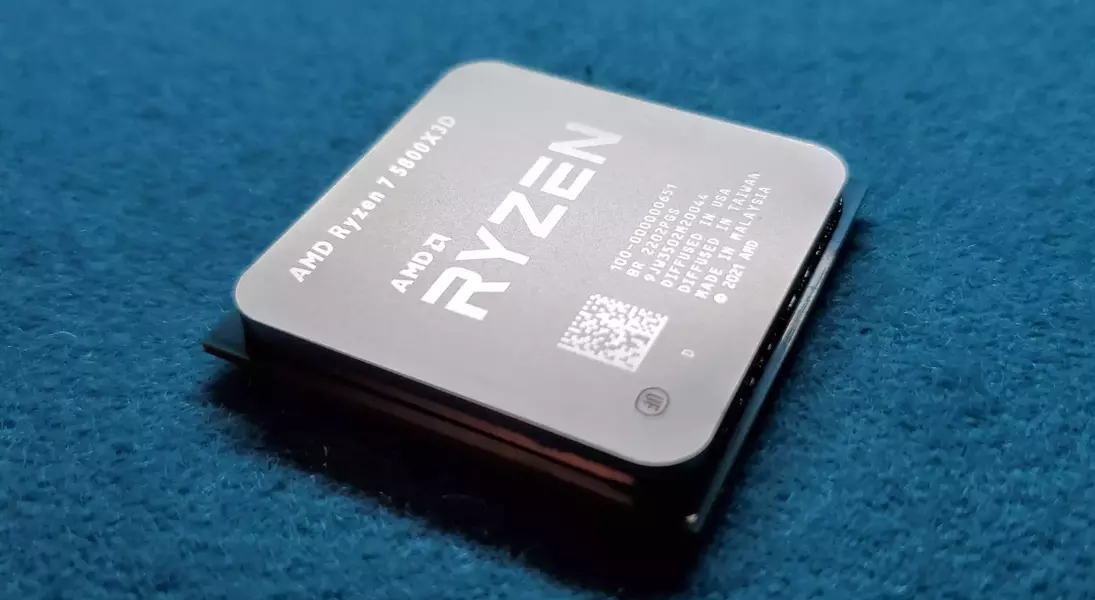
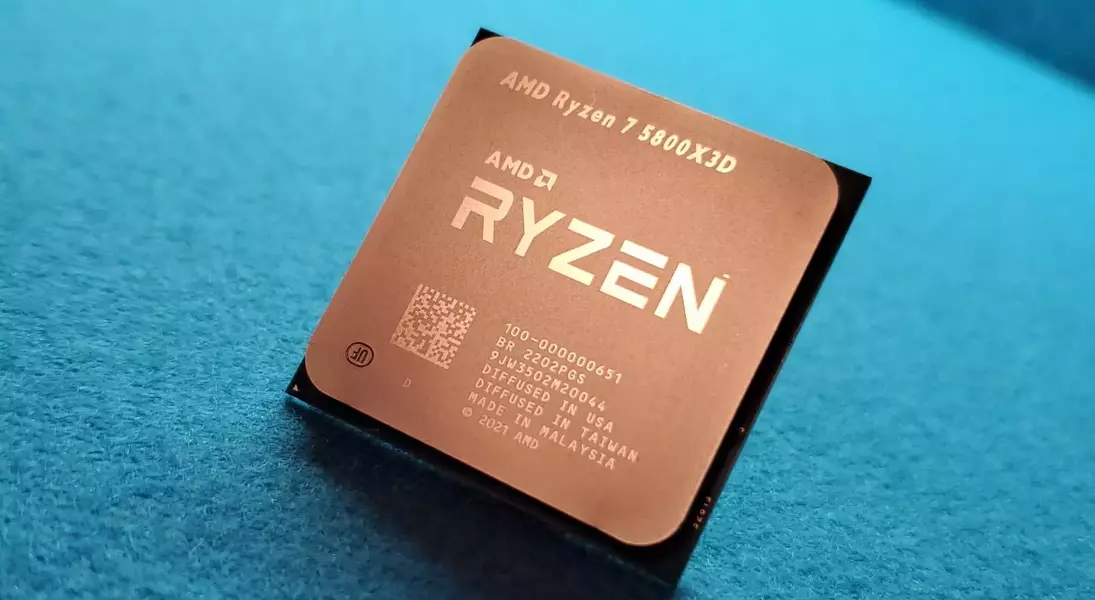
AMD's decision to bring back the Ryzen 7 5800X3D processor surprised many, including hardware enthusiasts. According to Travis Kirsch, an AMD representative, this initiative stemmed directly from CEO Lisa Su, who envisioned it as a "final gift" to the dedicated user base of the AM4 platform. This strategic move allowed long-standing users to refresh their systems with DDR4 memory, extending the life of their existing setups. While the re-release necessitated restarting production lines, which took considerable effort, Kirsch clarified that this plan was conceived prior to the onset of widespread DDR5 memory shortages, indicating it wasn't a direct response to that market challenge. The timing, however, proved serendipitous, providing a viable upgrade path for PC gamers facing a difficult market for new components.
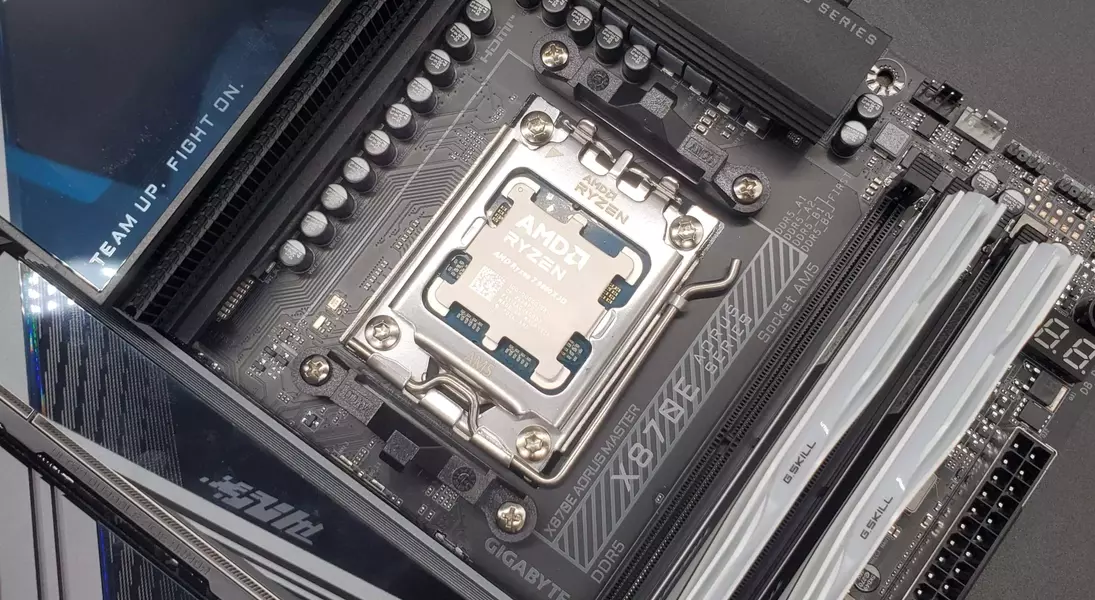
Kirsch also touched upon the company's philosophy regarding processor sockets and platform longevity. He highlighted the importance of platform lifespan for end-users, underscoring AMD's commitment to allowing consumers to upgrade their processors for several years after an initial platform purchase. Although he remained vague about specific shipment figures, Kirsch noted the continued strength of the AM4 platform, especially in the context of fluctuating memory prices, while the DDR5-supporting AM5 platform also showed steady growth. This approach contrasts with frequent socket changes, which can be costly and inconvenient for both partners and consumers. AMD's current roadmap indicates that its next-generation Zen 6-based CPUs will continue to utilize the existing AM5 socket, suggesting a prolonged lifespan for the platform, potentially mirroring the enduring success of AM4.
AMD's Strategic Revival of the Ryzen 7 5800X3D
AMD's unexpected reintroduction of the Ryzen 7 5800X3D processor was a calculated move, described by AMD's Travis Kirsch as a "final gift" to the company's loyal AM4 user base. This initiative originated from CEO Lisa Su, who foresaw the value in offering existing AM4 users an upgrade path that leveraged their current DDR4 memory infrastructure. Despite the complexities and time investment required to restart production lines for this older chip, the decision was made independently of the subsequent DDR5 memory shortages. This strategic foresight allowed many PC gamers to enhance their systems during a period of market uncertainty and component scarcity, providing a cost-effective alternative to a full platform overhaul.
The re-release of the Ryzen 7 5800X3D came at a crucial time, with its availability in June 2026 coinciding with a challenging period for PC builders. With DDR5 prices having surged since October 2025, many users were hesitant to transition to the newer, DDR5-exclusive AM5 platform. The 5800X3D offered an attractive solution, enabling significant performance boosts for gaming without the additional expense of new motherboards and memory. This move not only reinforced AMD's commitment to its long-standing customers but also demonstrated a keen understanding of market dynamics, providing a valuable option for those seeking incremental upgrades rather than complete system overhauls.
Commitment to Platform Longevity and Future Upgrades
AMD's philosophy extends beyond individual product cycles, with a strong emphasis on platform longevity to benefit both partners and end-users. Travis Kirsch reiterated this commitment, emphasizing the importance of providing upgrade options for processors several years after an initial platform investment. This strategic approach minimizes the need for frequent and costly system overhauls, fostering greater customer loyalty and stability within the ecosystem. While specific shipment ratios for AM4 and AM5 processors were not disclosed, Kirsch confirmed the continued robust performance of the AM4 platform, highlighting its enduring appeal and stability in the market, even as the newer AM5 platform steadily gains traction.
Looking ahead, AMD's current plans confirm that the forthcoming Zen 6-based CPUs will utilize the existing AM5 socket, ensuring a sustained lifespan for the platform. Kirsch remained noncommittal about the eventual release of an AM6 socket, stating that such a development would only occur when absolutely necessary and that the exact timing remains unknown. This stance signals a deliberate strategy to prolong the relevance of current hardware, allowing users to gradually upgrade their components rather than being forced into entirely new builds. This long-term vision aims to provide a more stable and predictable upgrade path for consumers, potentially establishing AM5 as a platform with longevity comparable to its highly successful predecessor, AM4.