In a significant strategic move, Amazon has recently acquired Bee, an innovative startup specializing in AI-powered wearable technology. This acquisition is poised to integrate Bee's unique conversational AI capabilities into Amazon's extensive service portfolio, promising a new era of highly personalized artificial intelligence for a broader audience. The financial details of the transaction remain confidential, but all Bee employees have reportedly received offers to join the Amazon team, ensuring a smooth transition and retention of key talent.
Amazon Bolsters AI Ambitions with Bee Wearable Acquisition
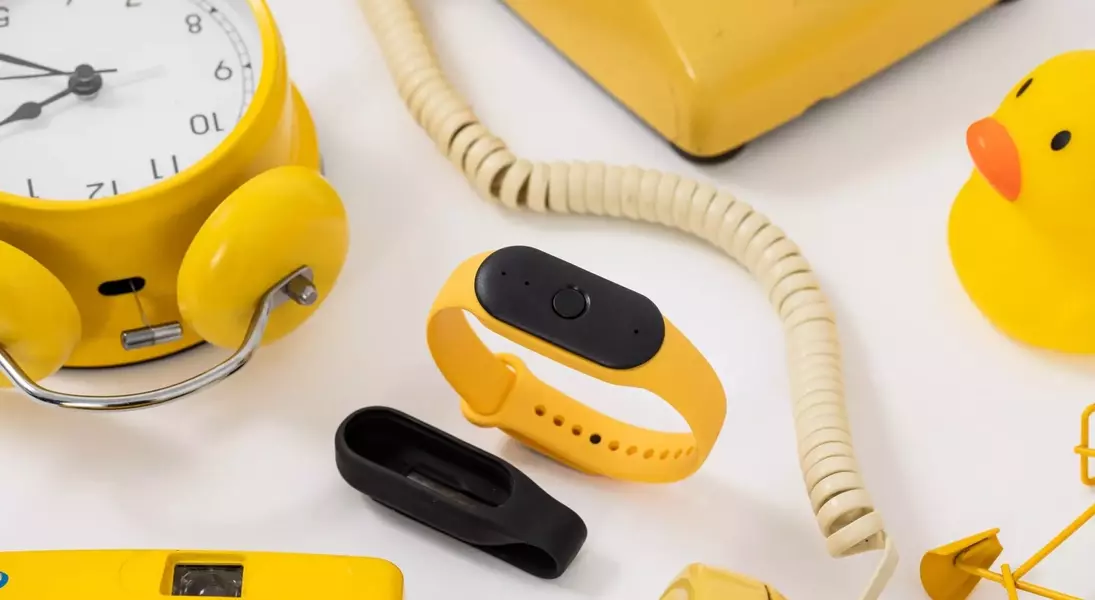
On a momentous day in July 2025, Maria de Lourdes Zollo, the visionary CEO of Bee, revealed through a LinkedIn announcement that her company would be joining forces with Amazon. This strategic alliance is set to accelerate the development and deployment of truly personalized and agentic artificial intelligence. Bee's core offering, a compact wearable device reminiscent of a Fitbit, has garnered attention for its ability to transcribe real-time conversations and generate insightful daily summaries. Priced at $49.99, this device extends its utility by integrating with personal data sources such as emails, contacts, location, reminders, and calendar events, thereby enriching its AI-generated insights and creating a comprehensive, searchable history of user activities. While the technology promises remarkable convenience, early reviews, including one from The Verge's Victoria Song, highlighted a tendency for the device to conflate genuine conversations with ambient sounds from media like television shows and TikTok videos. Addressing potential user concerns, Amazon spokesperson Alexandra Miller affirmed the company's unwavering commitment to customer privacy and security. Miller emphasized that Amazon has a long-standing history of safeguarding user data and does not engage in selling personal information. She assured that the existing stringent privacy and security protocols, along with enhanced user control features, will be extended to Bee's technology once the acquisition is finalized.
This acquisition represents more than just a corporate expansion; it signifies a broader societal trend towards increasingly integrated AI in our daily lives. As a journalist observing this development, I am struck by the delicate balance between technological advancement and individual privacy. The promise of "truly personal, agentic AI" is both exciting and daunting. While the ability to effortlessly recall conversations or receive contextually relevant suggestions could revolutionize productivity and personal organization, it also raises pertinent questions about data ownership, consent, and the potential for surveillance. The success of such a venture will hinge not only on the sophistication of the technology but, more crucially, on the transparent and ethical handling of the vast amounts of personal data it will invariably collect. For consumers, the choice will increasingly become a trade-off between unprecedented convenience and the preservation of digital autonomy. It challenges us to critically evaluate how much of our personal soundscape we are willing to outsource to artificial intelligence and, by extension, to the corporations that wield it.
