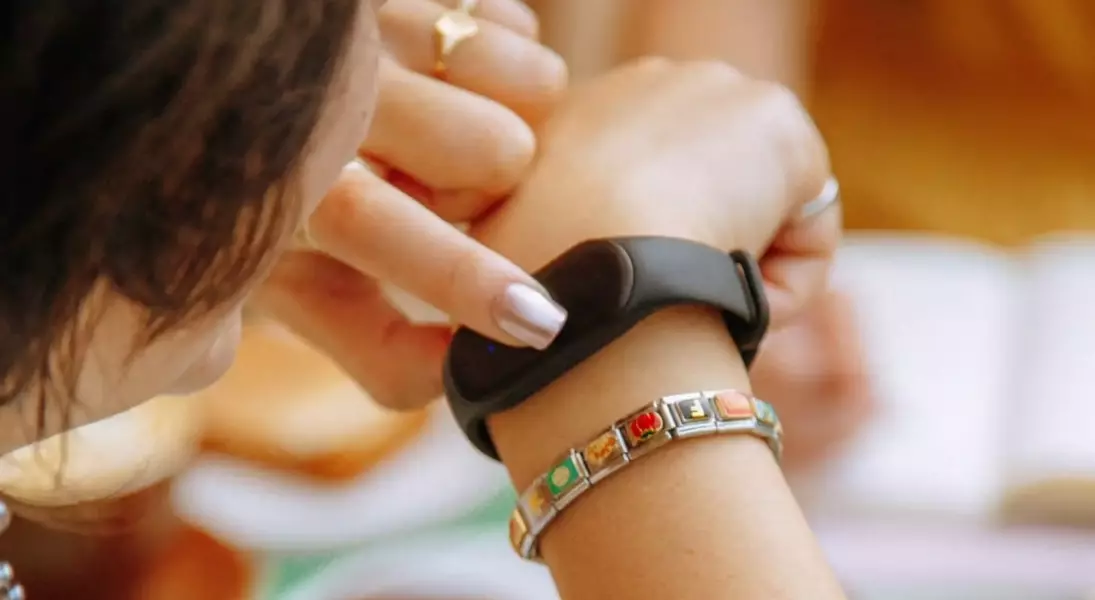

In a significant strategic move, Amazon has recently finalized its acquisition of Bee, an innovative startup specializing in artificial intelligence wearables. This development marks Amazon's deeper foray into the burgeoning market of personal AI devices and wearable technology, extending its reach beyond conventional home-based AI systems like Alexa. The integration of Bee's distinctive $50 AI wearable, which functions as an 'always-listening' personal assistant capable of generating summaries and tasks from ambient conversations, underscores a notable shift in Amazon's product development and market focus.
This acquisition is particularly noteworthy given the current landscape of AI wearables, where many high-profile ventures have faced considerable challenges in gaining market traction. Bee's comparatively affordable device may offer a unique advantage, potentially disrupting the segment by making advanced personal AI more accessible. However, the nature of Bee's technology, which inherently involves continuous audio capture, inevitably brings forth critical discussions around user privacy and data security. The company has stated its commitment to not storing audio data on external servers and allowing users control over their personal information, yet these assurances will be closely scrutinized as Amazon integrates Bee's technology into its broader ecosystem, especially considering Amazon's past record with data handling and privacy concerns.
Amazon's Strategic Leap into Wearable AI
Amazon's recent acquisition of Bee, a startup specializing in AI wearables, signifies a strategic expansion into the rapidly evolving personal technology sector. This move enables Amazon to venture beyond its established smart home devices, such as the Alexa-powered Echo series, and explore new frontiers in portable artificial intelligence. Bee's flagship product, a wrist-worn or clip-on AI-powered microphone, offers users a unique hands-free interaction with AI, designed to capture and process spoken information to assist with daily tasks and organization. This acquisition suggests Amazon's intent to develop a more integrated and omnipresent AI experience for its users, embedding intelligent assistance directly into their personal lives through wearable technology. The integration of Bee's innovative device into Amazon's extensive ecosystem could reshape how consumers interact with AI, moving from voice commands in a fixed location to seamless, on-the-go personal assistance.
The purchase of Bee aligns with Amazon's broader vision of creating an interconnected network of devices and services that anticipate and respond to user needs. By acquiring Bee, Amazon gains access to specialized expertise in designing and deploying always-on AI, a capability that could be pivotal for future smart devices. The Bee wearable, with its ability to compile to-do lists and daily summaries from spoken interactions, represents a practical application of AI that directly enhances productivity and personal organization. This type of functionality could appeal to a wide array of consumers looking for efficient ways to manage their busy lives. Moreover, this acquisition positions Amazon to compete more directly in the wearable tech market, potentially challenging established players and offering a distinct alternative to existing smartwatches and fitness trackers by focusing primarily on AI-driven utility rather than just health monitoring or communication features. The potential for synergy between Bee's technology and Amazon's cloud infrastructure and AI capabilities is vast, promising a new generation of personal AI tools.
Navigating the Privacy Landscape of Always-Listening Devices
The acquisition of Bee by Amazon, while promising innovation in personal AI, inevitably brings to the forefront significant privacy concerns associated with 'always-listening' devices. Bee's wearable, by design, continuously monitors and records conversations to gather data for its AI functionalities. Although Bee has asserted its commitment to user privacy by not storing audio data on servers and allowing users to delete their personal information, the integration into Amazon's vast data-driven enterprise raises questions. Amazon's history with data privacy, particularly concerning its Echo devices and Ring security cameras, suggests a need for heightened scrutiny regarding how user data from Bee wearables will be handled, processed, and protected within the larger Amazon ecosystem. The challenge for Amazon will be to build and maintain user trust in a product that inherently requires a high degree of access to personal conversations and daily activities, ensuring transparent data policies and robust security measures are in place to safeguard sensitive information.
The inherent design of always-on, AI-powered wearables like Bee, which process continuous streams of personal audio, underscores the critical need for explicit and unambiguous privacy frameworks. Users are increasingly aware of the potential for their spoken words to be collected, analyzed, and possibly misused. Therefore, Amazon faces the dual challenge of innovating in the personal AI space while also setting new standards for privacy in wearable technology. Clearly articulated data retention policies, robust encryption protocols, and user-friendly controls for data management will be essential to mitigating privacy risks and fostering consumer confidence. Furthermore, the success of such devices depends not just on their functionality but also on the public's perception of their security and ethical implications. As Amazon integrates Bee, its approach to balancing technological advancement with user privacy will be a defining factor in shaping the future of personal AI wearables and determining their widespread acceptance in the market.
