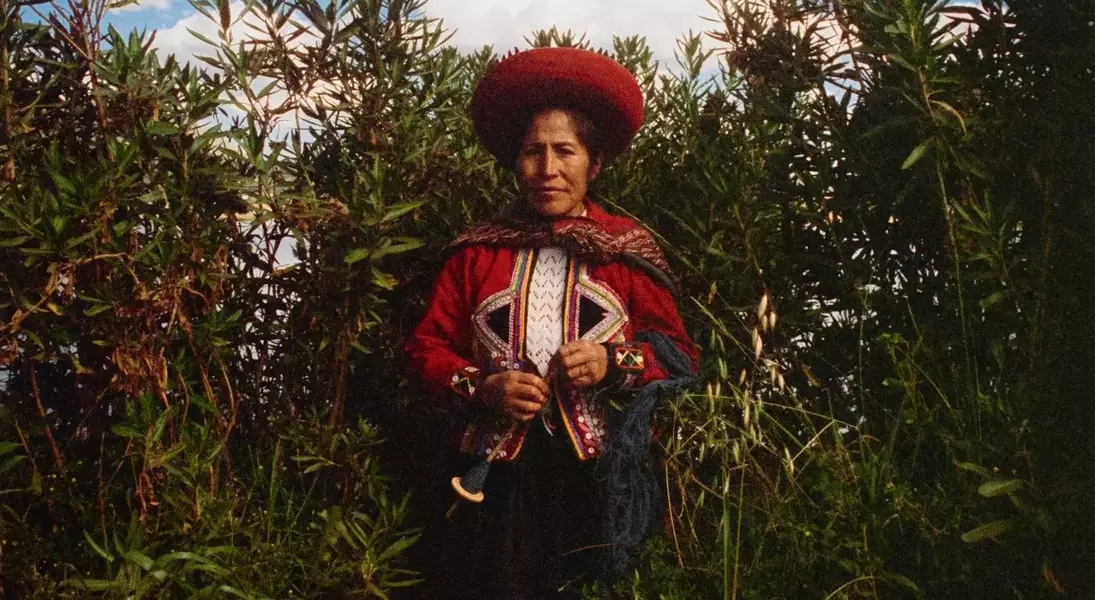
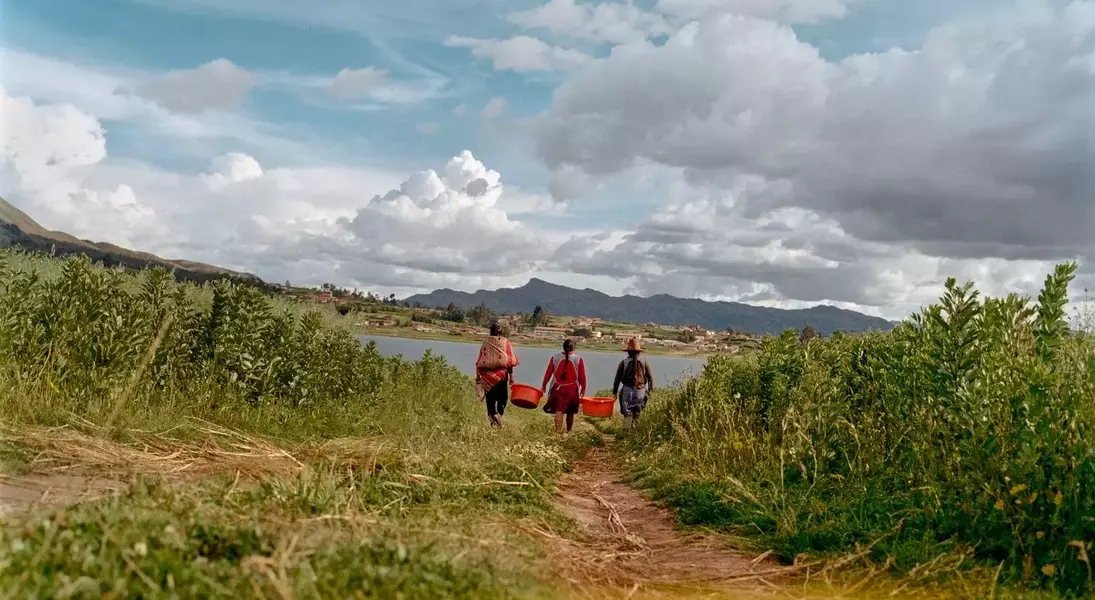
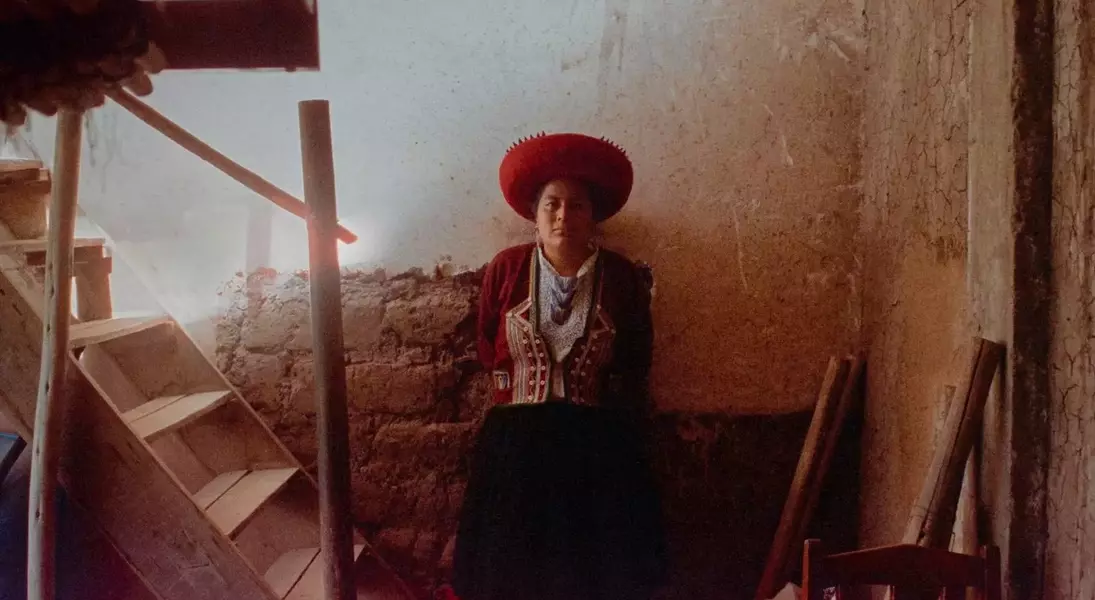
Alquimia Textil stands as a profound collaborative endeavor, meticulously documenting and celebrating the ancient art of natural dyeing as practiced by the skilled women artisans of Pumaqwasin in Chinchero, Cusco. This visionary project not only casts a much-needed spotlight on these time-honored techniques but also vigorously advocates for their preservation in an era dominated by industrial methods. By showcasing each intricate step of the dyeing journey, from sourcing natural pigments like qolle, ch'illka, and cochineal to the final textile, the project highlights the immense value and cultural significance embedded in hours of dedicated manual labor. It also fosters deep connections with the local community, honoring the invaluable artisanal contributions that breathe life into these practices.
The Alchemical Journey of Color and Light
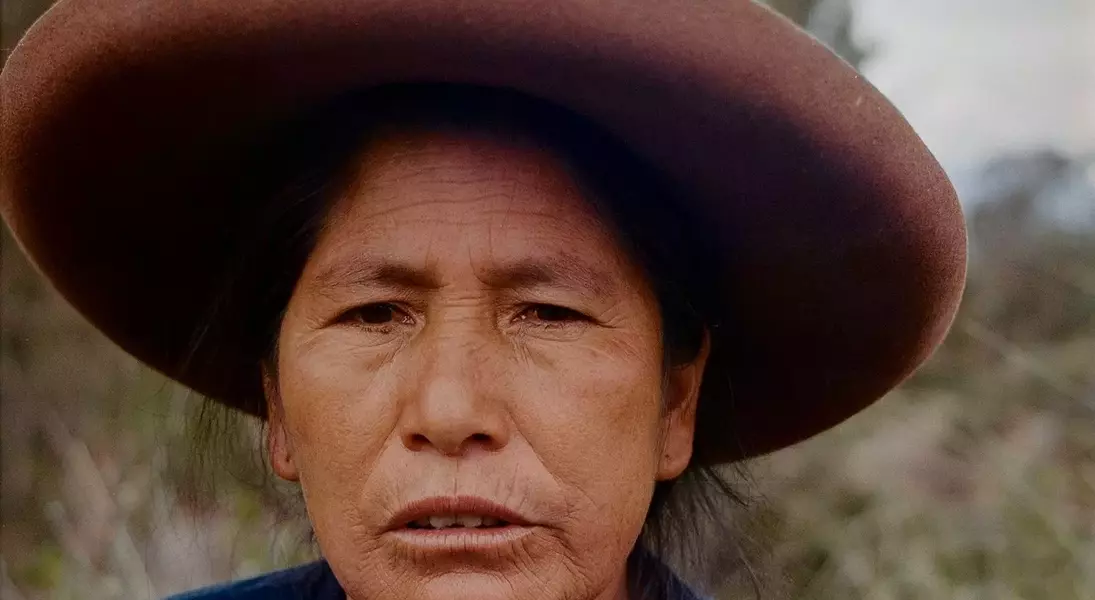
In the vibrant heart of Chinchero, Cusco, a captivating project named Alquimia Textil emerges from the creative synergy of Nicolás Garrido Huguet, a visionary photographer, and María Lucía Muñoz, an esteemed fashion researcher and designer. This collaboration delves into the ancestral realm of natural textile dyeing, a craft passed down through generations by the resilient women artisans of Pumaqwasin.
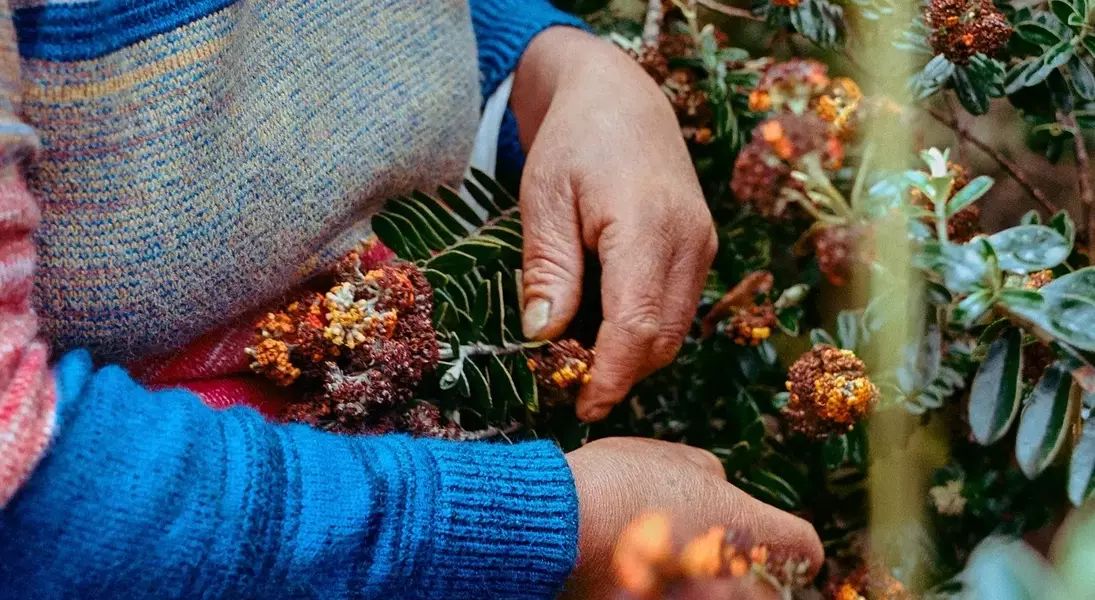
The essence of this initiative lies in its dedication to bringing visibility and ensuring the continuity of these intricate dyeing processes. Each technique demands meticulous hours of handwork, a stark contrast to the swift, impersonal methods of modern industrial production. Alquimia Textil meticulously charts the journey of three principal natural dyes inherent to the Andean region:
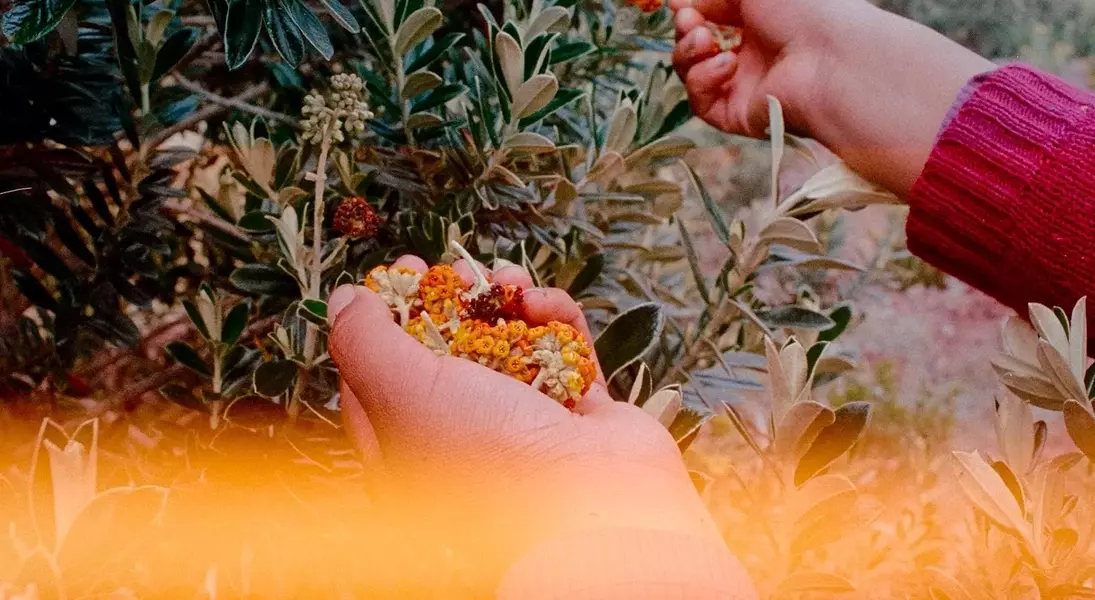
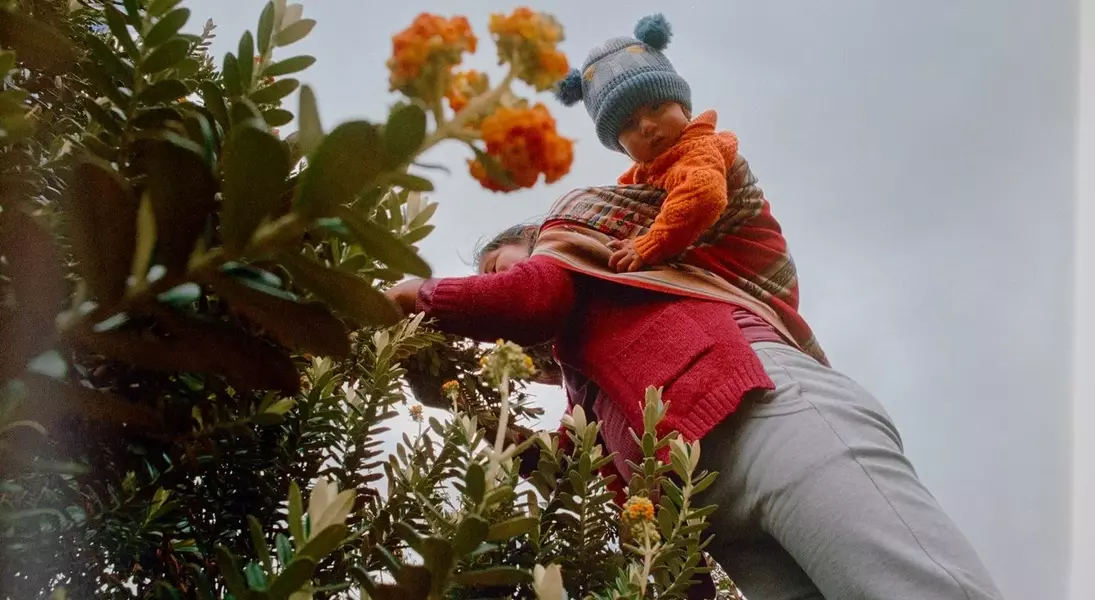
- Qolle (Buddleja coriacea): A versatile shrub whose blossoms yield a spectrum of radiant yellow tones, infusing textiles with sun-drenched warmth.
- Ch'illka (Baccharis species): Derived from its leaves and stems, this plant bestows earthy ochre and verdant green shades, echoing the rich Andean landscape.
- Cochineal (Dactylopius coccus): A tiny insect, endemic to the Andean valleys, is the source of an astonishing array of reds, from fiery scarlet to deep crimson and regal purple, each hue a testament to nature's artistry.
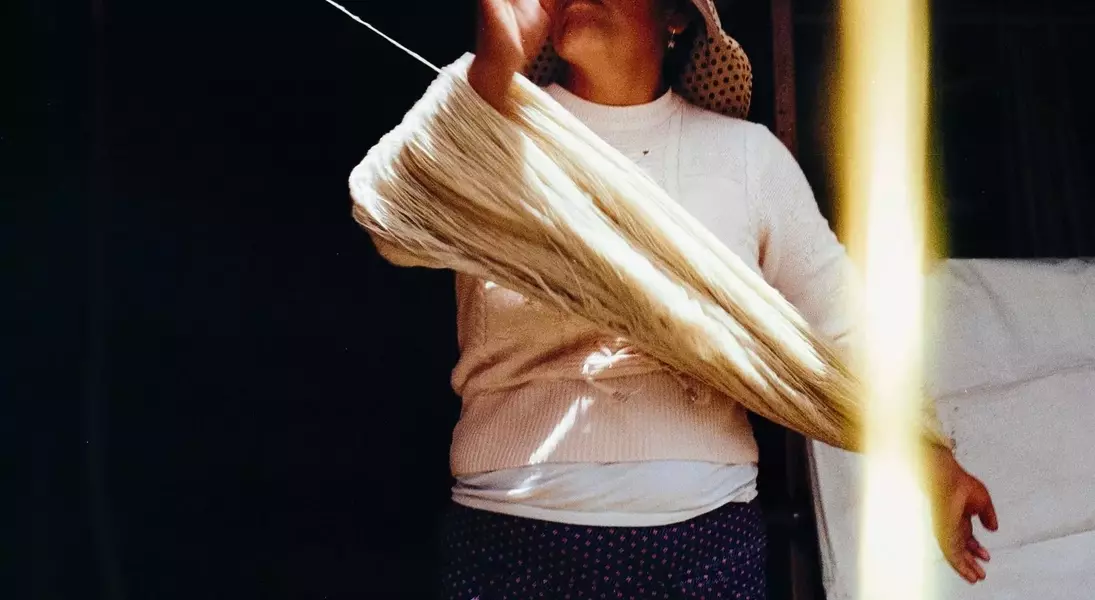
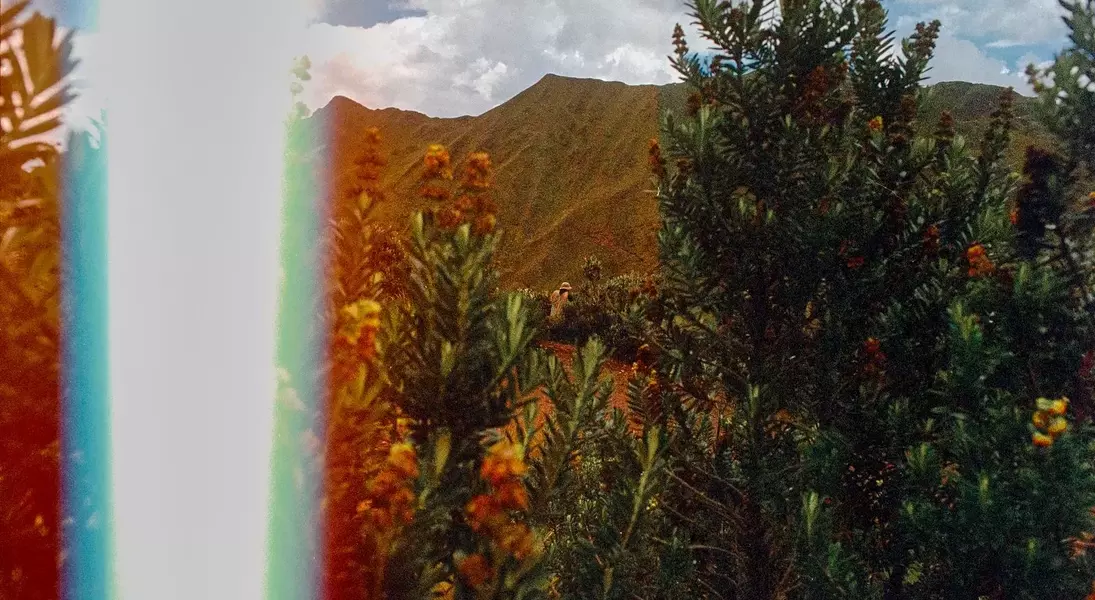
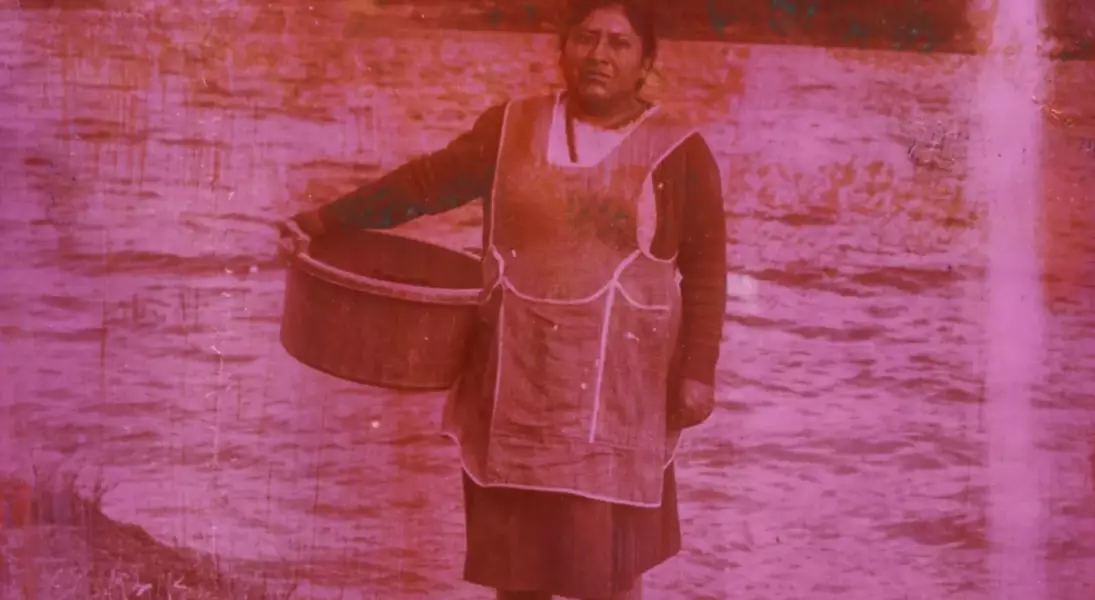
Garrido Huguet's photographic approach is as intentional and organic as the dyeing process itself. Opting exclusively for analog formats, he captured the entire transformation from raw material to dyed fabric. This choice was deliberate: analog photography, with its unhurried pace, tangible physicality, and reliance on natural light, perfectly mirrors the slow, hands-on, and material-rooted nature of traditional dyeing. Intriguingly, the vintage film cameras used for the project, borrowed from friends, presented an unforeseen challenge: light leaks. What might have been deemed a technical imperfection ultimately became a symbolic echo of the dyeing process itself. Just as natural dyes are influenced by countless variables—the open wood fires, the small, uncalibrated pots, the ambient environment—resulting in colors that might 'fail to bind' as expected or fibers that react unpredictably, these photographic light leaks mirrored the beauty of imperfection and the embrace of uncertainty. This harmonious convergence of analog photography and natural dyeing celebrates not just aesthetic exploration but also stands as a poetic homage to manual labor, a quiet yet powerful act of resistance against the relentless march of industrial standardization.
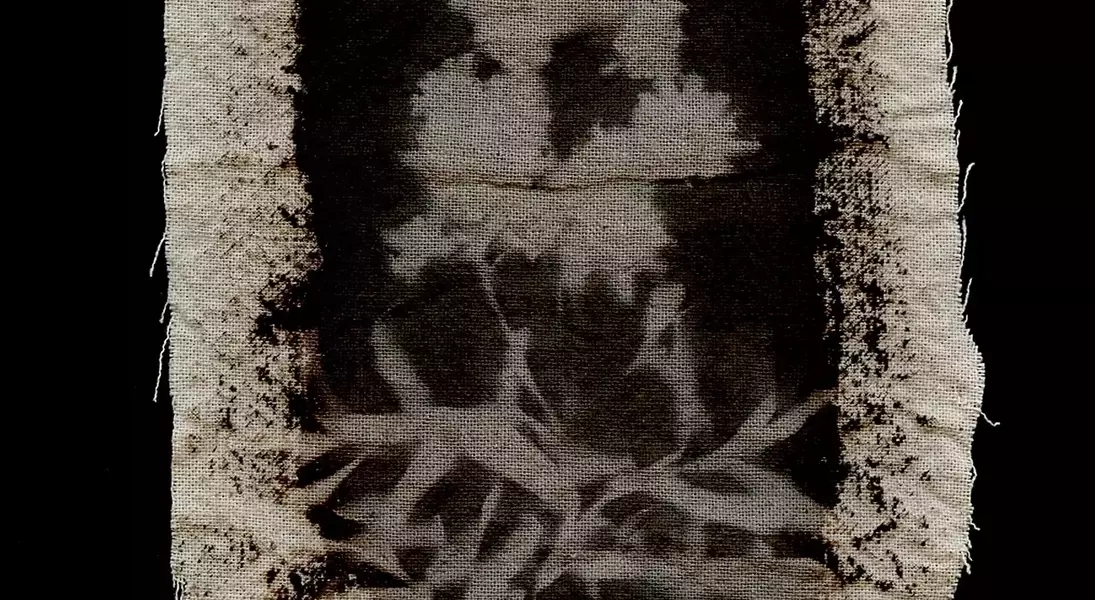
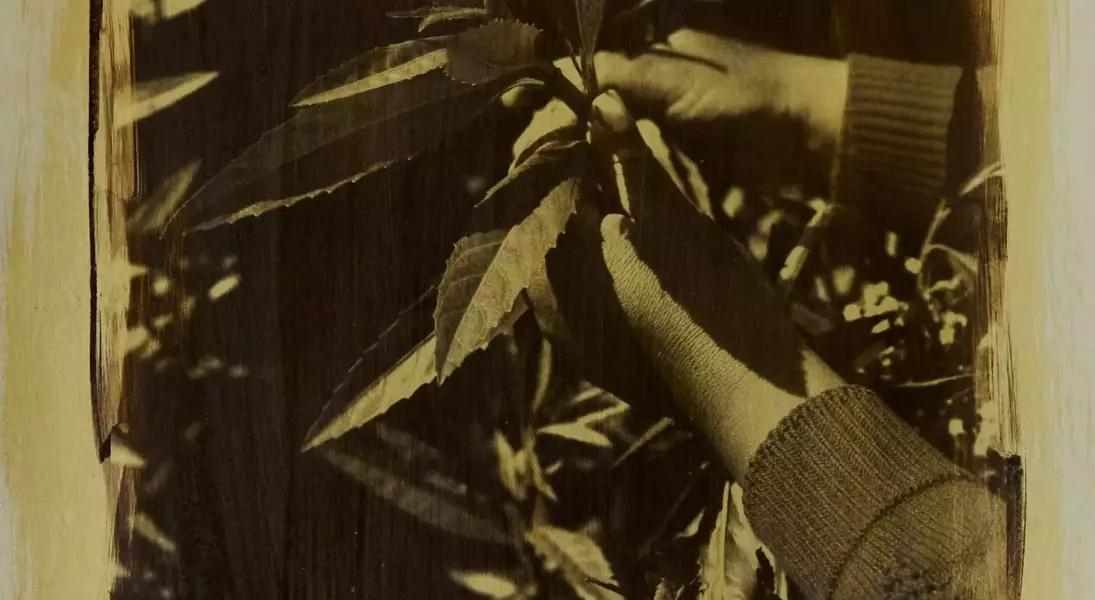
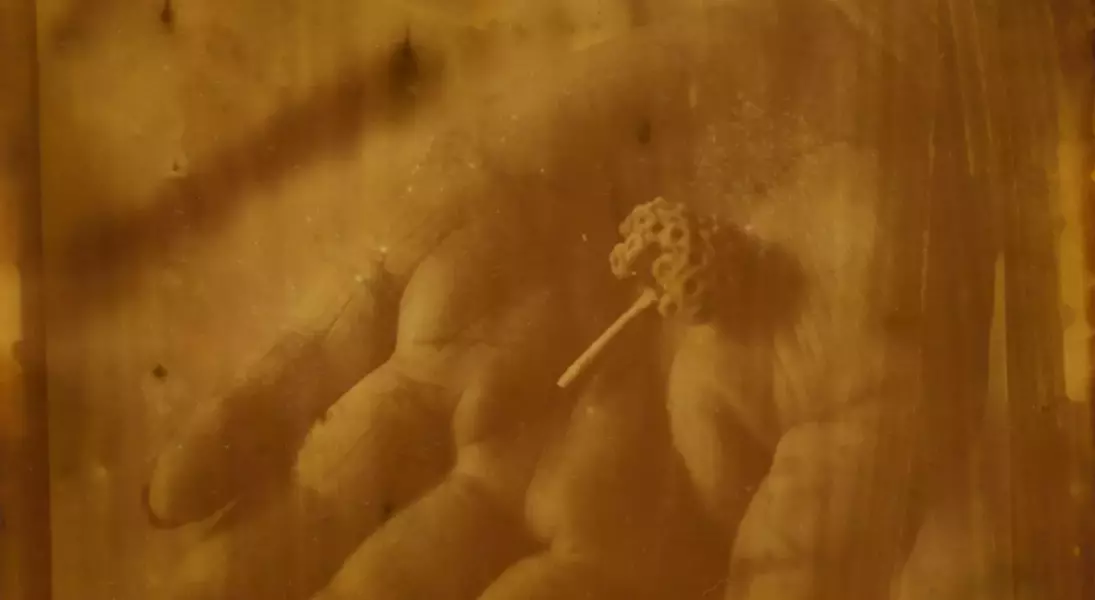
Adding another layer of artistic depth, Garrido Huguet incorporated the alternative photographic process of Van Dyke brown printing. This technique involved applying its chemistry to papers and fabrics already imbued with the natural pigments. The result is a collection of images bathed in warm, earthy tones, developed under the direct embrace of sunlight, further emphasizing nature's pivotal role in shaping the final outcome. During the development and drying phases, the lingering chemical residues from the dyes continue their subtle dance on the surface, creating textures and tones that are utterly unique and incapable of exact replication.
This innovative project has garnered significant acclaim, notably receiving the prestigious 1st place in the Environment category of the 2025 Sony World Photography Awards.
The fusion of these two ancient and slow crafts—natural dyeing and analog photography—transcends mere artistic expression. It offers a profound reflection on the beauty of deliberate creation, the value of human touch, and the powerful narrative embedded in processes guided by time, chemistry, and intuition. In an age of rapid consumption, Alquimia Textil reminds us of the enduring allure of the handcrafted, the organic, and the perfectly imperfect.
