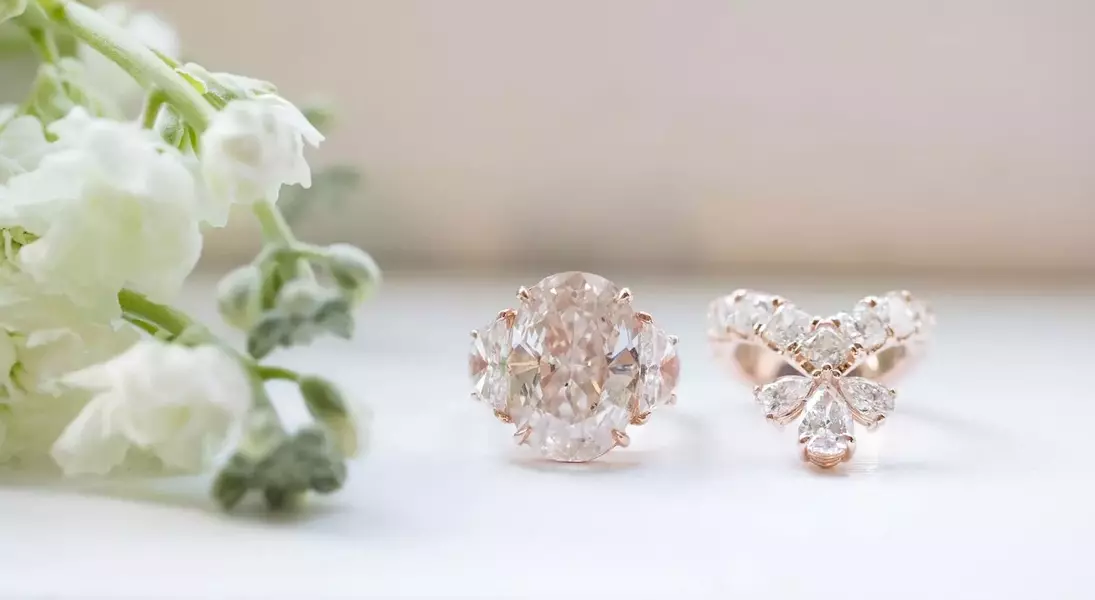
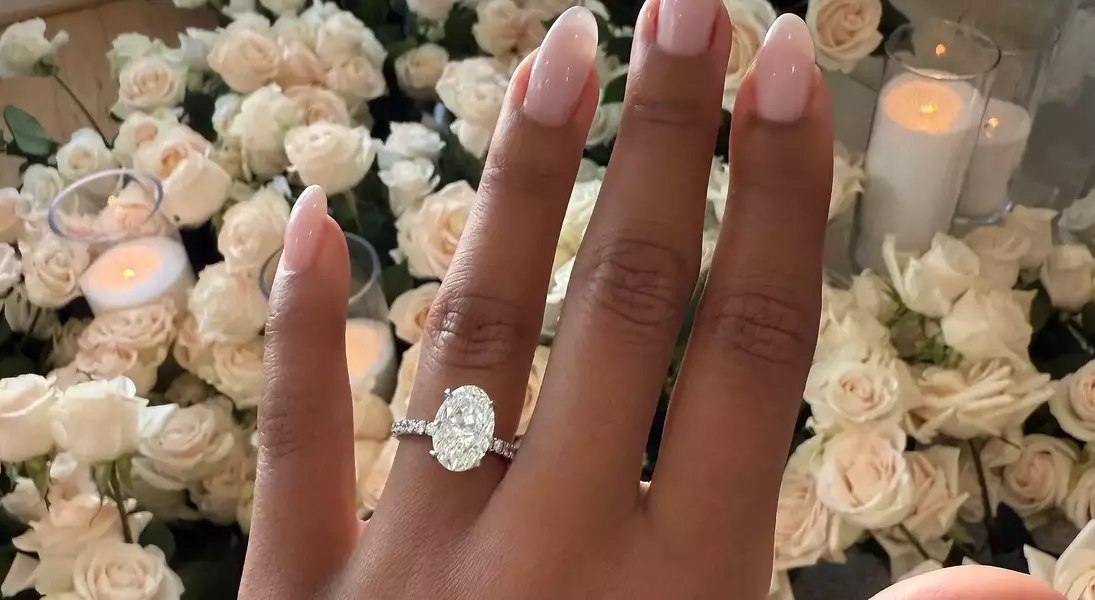
Oval-shaped engagement rings have cemented their status as a contemporary classic, appealing to those who desire both enduring elegance and a modern flair. Their distinctive elongated, rounded form offers a unique aesthetic, making them a favored option among notable figures such as Lady Gaga, Hailey Bieber, and Kourtney Kardashian. For individuals considering this fashionable cut for a proposal, or selecting one for a partner, a thorough understanding of this exquisite diamond's characteristics is essential.
A key aspect of these rings lies in the oval diamond itself, celebrated for its gracefully curved edges and flattering, elongated appearance. Similar to the traditional round cut, an oval diamond boasts a brilliant faceting pattern, ensuring exceptional sparkle and light reflection. However, its expanded length-to-width ratio grants it a more substantial presence on the finger. Jewelers emphasize that an oval possesses all the radiance of a classic round diamond, yet with a distinct personality; its softer, more directional silhouette elegantly lengthens the hand, embodying a blend of romance and contemporary style. While vintage oval cuts exist, the modern iteration was perfected in the late 1950s by Lazare Kaplan, who developed a brilliant faceting technique that imbued the shape with its characteristic brilliance. Beyond diamonds, oval cuts are also found in other gemstones, exemplified by Princess Diana's iconic sapphire ring, now worn by Kate Middleton.
When acquiring such a diamond, evaluating it based on the 4Cs—cut, color, clarity, and carat weight—is crucial, as these factors determine its quality and cost. While formal cut grades aren't provided for fancy shapes, visual balance and symmetry are paramount for ovals, focusing on even sparkle. For those managing a budget, prioritizing certain Cs is advisable; given that color can be slightly more apparent in elongated shapes, opting for a slightly higher color grade is recommended. Clarity tends to be more forgiving, and the generous surface area of an oval often makes its carat weight appear more significant, suggesting that prioritizing carat over clarity can be a smart choice. The setting of the stone profoundly influences the ring's overall design, with ovals offering remarkable versatility. Options range from a minimalist solitaire for a fresh, modern look to elaborate sculptural or directional settings that enhance the stone's inherent movement. Customization can involve vertical placement on a solid band, flanking with side stones, surrounding it with a diamond halo, or securing it in a bezel setting. East-west settings are also gaining popularity for a modern touch.
Additionally, prospective buyers should be aware of the 'bow-tie effect,' a darkened area that can appear across the diamond's center due to blocked light. While complete avoidance is challenging, a meticulously cut stone will minimize this phenomenon. Observing the stone's interaction with light is key, as a truly exceptional oval exhibits a subtle yet captivating brilliance. The choice between lab-grown and natural oval diamonds hinges on personal values, whether prioritizing rarity and geological heritage or design flexibility and size, as both offer beautiful craftsmanship. Iconic examples, like Serena Williams's impressive 14-carat oval diamond flanked by trapezoid side stones, highlight the enduring appeal and grandeur of this cut, inspiring countless others to embrace its radiant charm.
