Initially, I harbored a deep skepticism towards kitchen implements that demanded excessive pampering. For numerous years, I deliberately sidestepped the temptation of exquisite, yet easily corroded, carbon-steel blades. These are the knives that necessitate constant vigilance – requiring immediate cleaning and thorough drying to prevent even a single drop of moisture from leaving an indelible mark. They are prone to rusting, and their finely honed edges, though incredibly sharp, are fragile and susceptible to chipping. I believed that tools should serve their user, not the other way around. However, my perspective irrevocably shifted when I encountered a meticulously crafted Japanese knife, forged from a notoriously delicate steel.
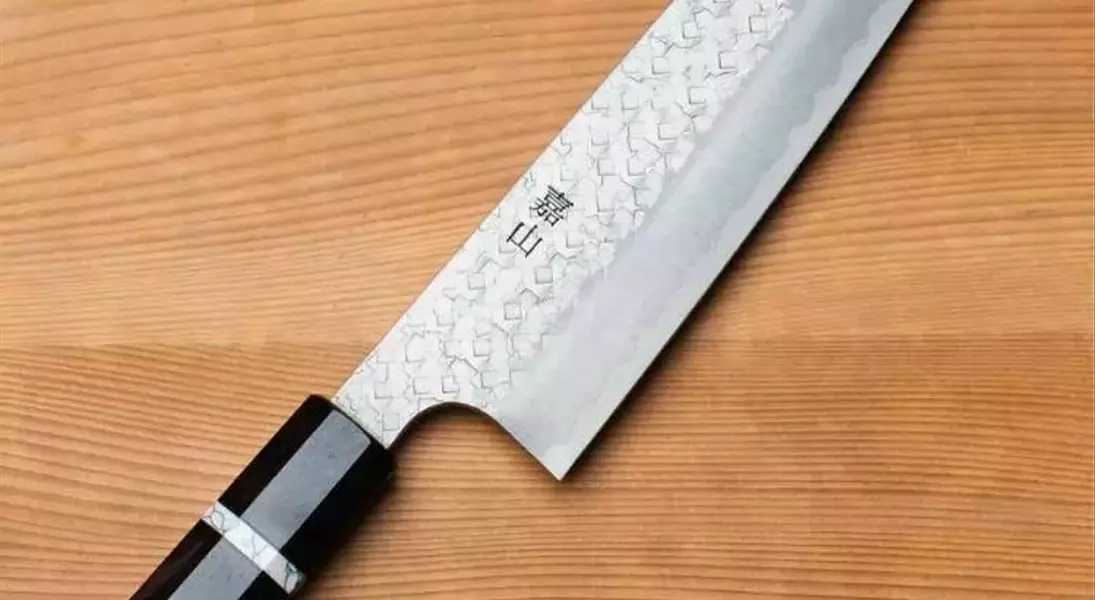
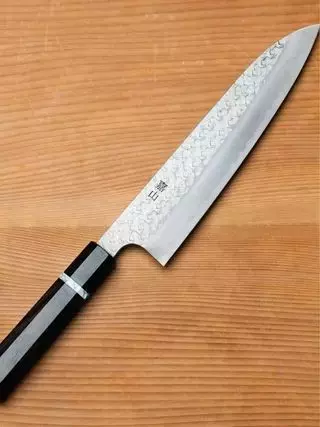
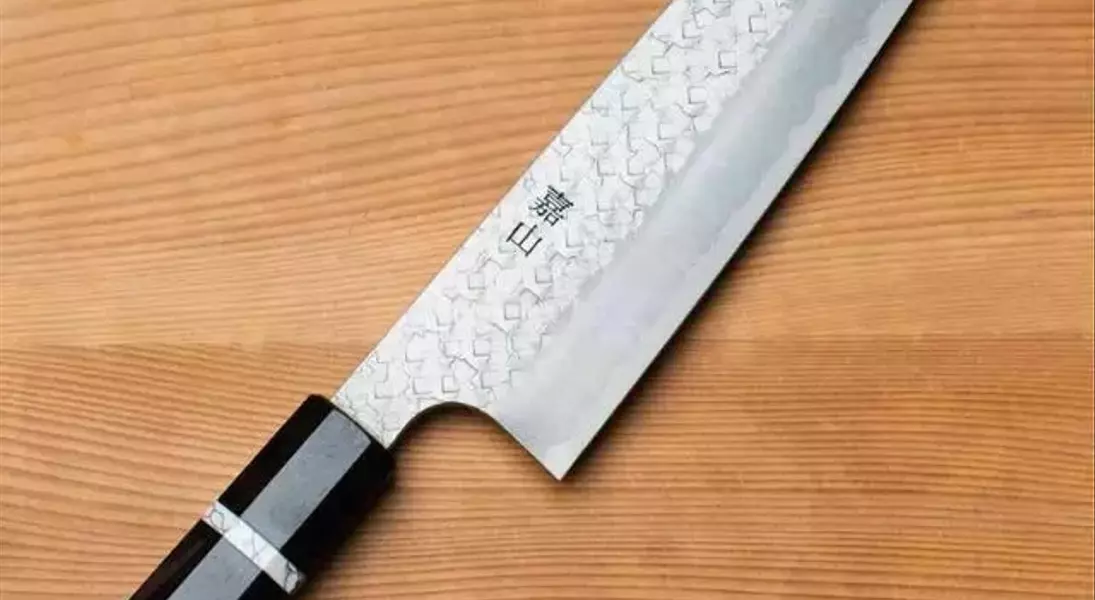
The Kazan Arare SG2 gyuto, a masterpiece by Shibata, is fashioned from SG2, a high-carbon stainless steel alloy. While this material offers enhanced resistance to staining and corrosion compared to traditional carbon steel, its higher carbon content and reduced chromium levels make it exceptionally adept at retaining its edge, albeit at the cost of being prone to water spots if neglected. This became evident during one testing session when I inadvertently left the knife damp on a cutting board, only to discover unsightly marks on its otherwise flawless surface. Unlike the more forgiving Tojiro knives with their protective stainless layers, the Kazan Arare demands a level of attention that elevates it beyond a mere utensil.
Despite the initial frustration of seeing a pristine blade acquire imperfections, the unparalleled sharpness of the Kazan Arare gyuto was impossible to ignore. It glided through onions with minimal effort, effortlessly cleaved fibrous cuts of meat, and sliced tomatoes as if they were water, demonstrating a cutting prowess unlike any other knife I had ever encountered. This extraordinary performance stems from its ingenious blade geometry; unlike most knives that gradually thin from spine to edge, the Kazan Arare features an aggressive taper that dramatically reduces the blade's thickness closer to the cutting edge. This design maintains robust weight at the spine while minimizing resistance during slicing, significantly enhancing its overall cutting efficiency. Furthermore, the knife's hardness, rated at 61 on the Rockwell Scale, ensures exceptional edge retention, far surpassing that of softer steels, meaning it maintains its razor-sharpness even after weeks of continuous use.
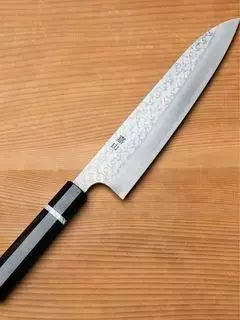
The Kazan Arare gyuto is not merely a functional tool but also a work of art. Its hand-hammered geometric pattern, adorning the spine, captivates the eye and reflects light with dynamic brilliance. This intricate pattern is not solely aesthetic; it creates air pockets that prevent food from clinging to the blade, allowing ingredients like tomato slices to fall away cleanly. Coupled with an elegant ebony handle, which possesses natural longevity and bacterial resistance, this knife embodies luxury and superior craftsmanship. While I once viewed this exquisite instrument with a possessive admiration, I ultimately embraced the understanding that even the finest tools are meant to be used. This shift in perspective, from seeing it as a precious artifact to a valued kitchen companion, has enriched my culinary experience. It reminds me that true value lies not in preserving an item in pristine condition, but in the stories and experiences it helps create, transforming everyday cooking into an act of joyful creation.
