This article delves into the author's fascination with a specific subset of Pokémon: those conceived from waste and environmental byproducts. It explores their unconventional origins and how these creatures, despite their less glamorous appearance, profoundly influenced the author's early engagement with the Pokémon universe, offering a unique perspective on the franchise's creative depth.
Embracing the Unconventional: Why Pokémon's Misfits Hold a Special Charm
The Unconventional Charm of Waste-Born Pokémon
My particular fondness lies with the Pokémon often overlooked, those formed from the detritus of the world, rather than the charming or whimsical. It's not the sugary sweet ice cream cones or the adorable canine made of bread that capture my attention. Instead, it's the genuine 'trash' Pokémon – entities born from muck, discarded materials, and urban neglect – that have always intrigued me, sparking my imagination from my very first encounters with the franchise.
Diverging from the Norm: A Peculiar Pokedex
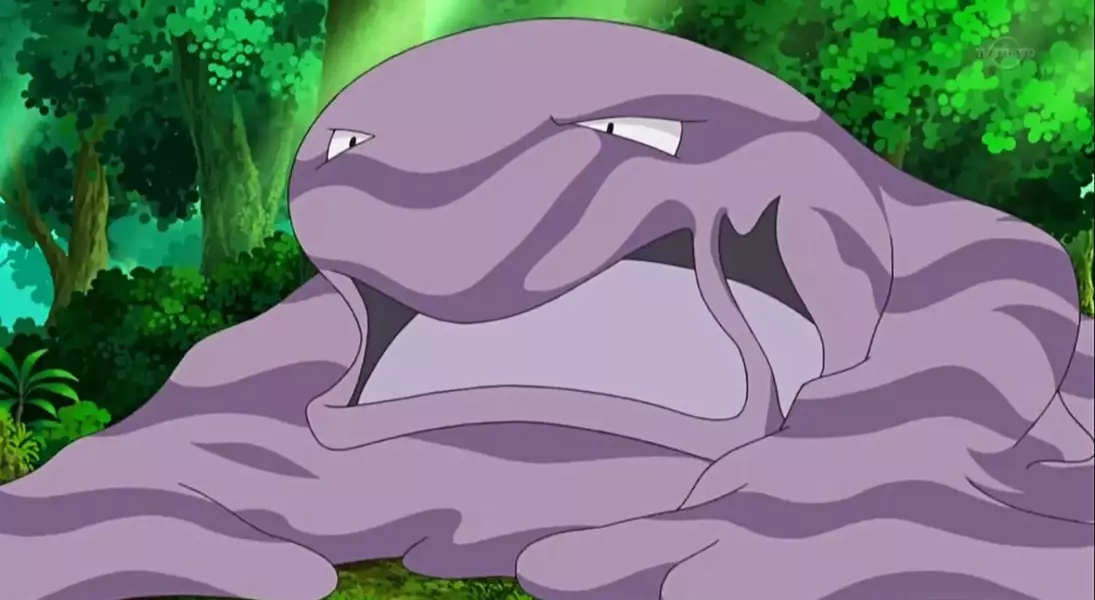
While most Pokémon neatly fit into categories like animals, plants, or minerals, a unique group defies such classification. Beyond the humanoid figures like Mewtwo or the enigmatic Hitmon family, there exists an even smaller subset not composed of inanimate objects like Klefki or Magnemite. This distinct group comprises creatures such as Grimer, Muk, Trubbish, Garbodor, Koffing, and Weezing, whose very existence challenges the conventional biological framework of the Pokémon world.
The Genesis of Sludge: Unpacking Their Origin Stories
A closer look at their Pokedex entries reveals the stark difference these creatures present. For instance, Trubbish's entry in Pokémon White attributes its creation to a chemical reaction between garbage bags and industrial waste. Similarly, Grimer from Pokémon Yellow is described as solidified sludge, so foul-smelling that even plants struggle to grow nearby. Even Koffing, initially just a gaseous entity, had its origins re-contextualized in the Pokémon Alpha Sapphire Pokedex, linking its toxic composition to human-generated waste and chemical reactions.
Life from Ruin: A Blend of Nature and Industry
These Pokémon are essentially the product of natural forces interacting with human-made elements, often the less desirable ones. Through a mysterious, almost magical transformation, life emerges from these unlikely sources. This concept, reminiscent of a modern-day Frankenstein narrative, stands unparalleled within the Pokémon universe – absent from the first generation, the latest Scarlet and Violet, and even the urban landscape of Legends Z-A. Their unique blend of the organic and industrial sets them apart entirely.
A Childhood Revelation: The Blending of Worlds
This mystical convergence of elements profoundly captivated my seven-year-old self when I first played Pokémon Blue in the late 1990s. The unconventional fusion of natural and urban landscapes, of fantasy and science fiction, was unlike anything I had encountered before. While I now recognize that such themes weren't entirely novel in media (think Nausicaa of the Valley of the Wind), as a child, my only comparable reference was Ferngully: The Last Rainforest. Yet, even its sentient toxic cloud was distinctly villainous, not a complex evolutionary outcome rooted in the natural world. This imaginative approach to biology was a significant factor in why Pokémon left such an indelible mark on my mind.
Enduring Affection: A Legacy of the Disregarded
While Game Freak's recent creations may have shifted towards culinary items and ancient monoliths, moving away from sentient sludge and the unique forces that birthed them, my enthusiasm for the series has also waned over the decades. Nevertheless, the 'trash' Pokémon will always occupy a cherished place in my memory, a testament to the unexpected beauty and profound impact of the world's overlooked creations.
