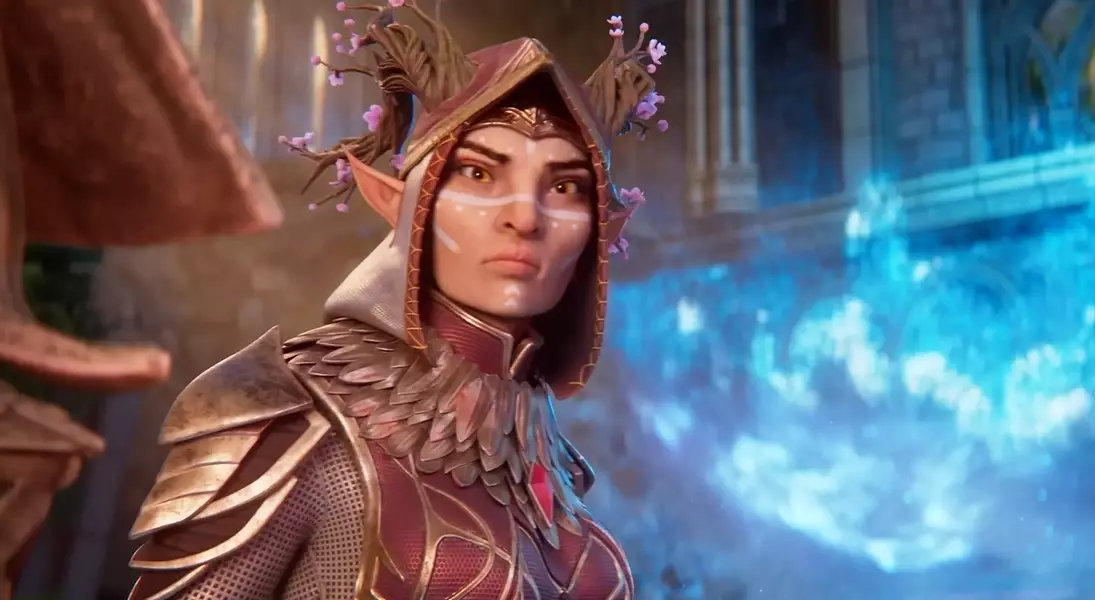
Following the abrupt termination of the development team for the highly anticipated Kickstarter-funded MMO, Ashes of Creation, disturbing allegations have emerged regarding the financial conduct of the studio's founder. An investor has accused Steven Sharif of diverting substantial portions of the project's funding, amounting to millions, for his personal enrichment, casting a dark shadow over the project's demise and igniting a firestorm of controversy.
Details of Alleged Misappropriation Emerge
In a recent exposé, a popular YouTuber, NefasQS, brought to light detailed accusations first raised by investor Jason Caramanis. According to NefasQS, who claims to have reviewed Intrepid Studios' general ledger from 2015 to 2026, over $12 million in studio funds remain unaccounted for. The extensive data reportedly reveals a pattern of lavish personal expenditures by Steven Sharif. These alleged purchases include significant amounts spent on high-end items such as historical auction pieces, an unusual sum for Fortnite, and over $80,000 paid to Gore Oil Company, an entity linked to the 2020 mansion purchase by Sharif and his partner, John Moore.
Furthermore, the investigation highlighted claims from former employees concerning a private chef. While the chef was purportedly hired for the company, employees reported never seeing the chef at the workplace; instead, the chef allegedly prepared meals exclusively for Sharif and Moore at their residence. This occurred despite employees being promised culinary services or informed of logistical issues preventing on-site cooking. These revelations have sparked outrage among the gaming community and Kickstarter backers, who provided financial support with the expectation that funds would be used for game development.
The claims of financial impropriety have been compiled into a publicly accessible Google Sheets document, further fueling public scrutiny. Despite these detailed allegations, the full extent of the accusations and Sharif's counter-arguments, where he reportedly blames the board of directors for the project's failure and denies any misconduct, remain subject to ongoing verification. This unfolding situation underscores the critical need for transparency and accountability in crowdfunded projects within the gaming industry, especially when the trust of a dedicated community is at stake.
This incident serves as a stark reminder of the risks associated with crowdfunding and the importance of stringent financial oversight in creative ventures. For those who invested their hopes and money into Ashes of Creation, the outcome is a deeply disappointing lesson in the potential pitfalls of entrepreneurial ambition unchecked by proper governance. It prompts a broader conversation about how to better protect backers and ensure the ethical management of crowdfunded capital in the future, fostering greater trust and responsibility within the community and among project creators.
