
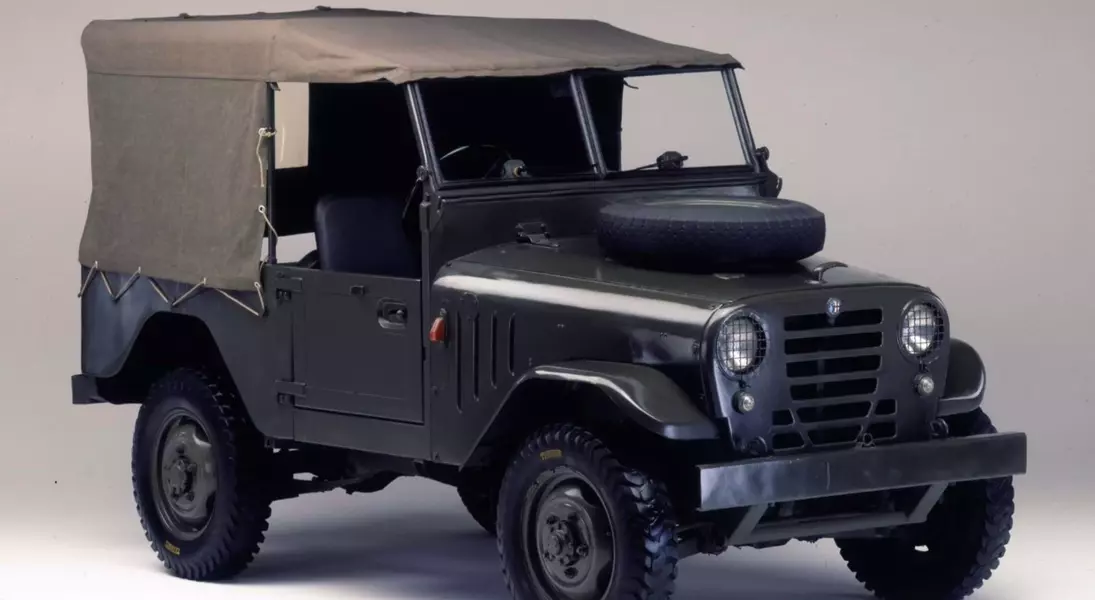

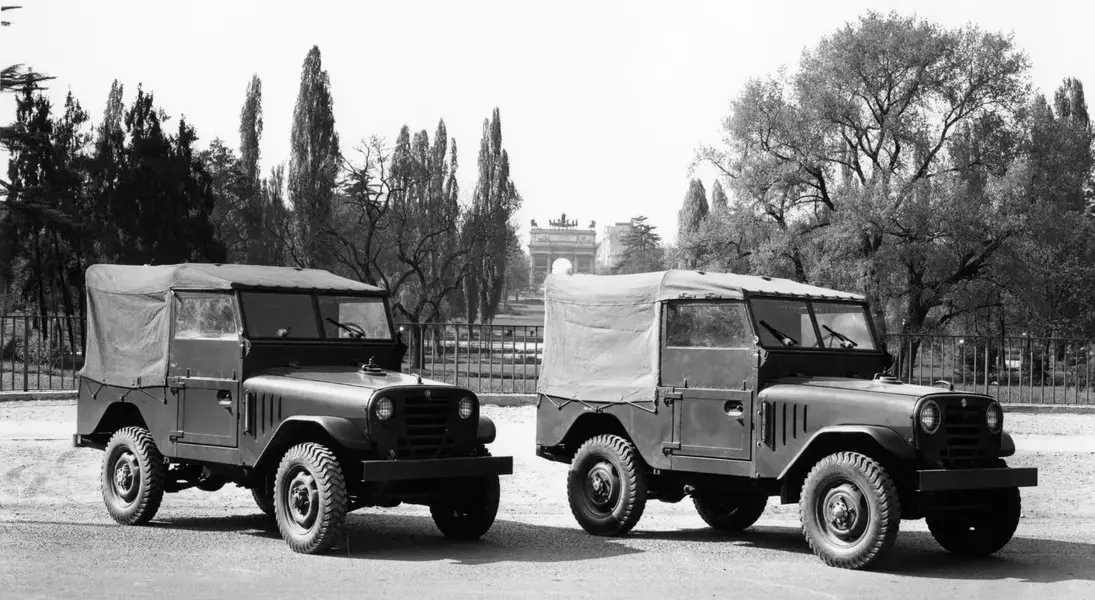




Alfa Romeo, a marque celebrated for its high-performance and stylish vehicles, has an intriguing, lesser-known chapter in its history involving the production of a robust military utility vehicle. The 1900 M, more commonly referred to as the Matta, was a surprising departure from the brand's usual sporty offerings, built to serve the Italian Ministry of Defense during the early 1950s. This article delves into the unique characteristics and eventual discontinuation of this distinctive 4x4, highlighting its place in Alfa Romeo's diverse automotive journey.
While the Matta's military career was brief, its innovative engineering, which included features more commonly found in high-performance cars, sets it apart. Its story not only reveals a different facet of Alfa Romeo's manufacturing capabilities but also illustrates the evolution of military vehicle procurement and the shift towards more practical, cost-effective designs. From its initial development to its eventual replacement by the simpler Fiat Campagnola, the Matta represents a fascinating footnote in the history of both Alfa Romeo and utilitarian transport.
The Matta: Alfa Romeo's Venture into Military Mobility
In a surprising move for a company celebrated for its sporty and luxurious automobiles, Alfa Romeo undertook the production of a military vehicle, the 1900 M, during the early 1950s. This robust 4x4, more widely recognized by its nickname, the Matta, was specifically developed for the Italian Ministry of Defense from 1951 to 1954. Drawing inspiration from the ubiquitous Willys Jeep, which set the standard for off-road utility vehicles at the time, the Matta was entirely an in-house creation, showcasing Alfa Romeo's engineering prowess before its eventual acquisition by Fiat.
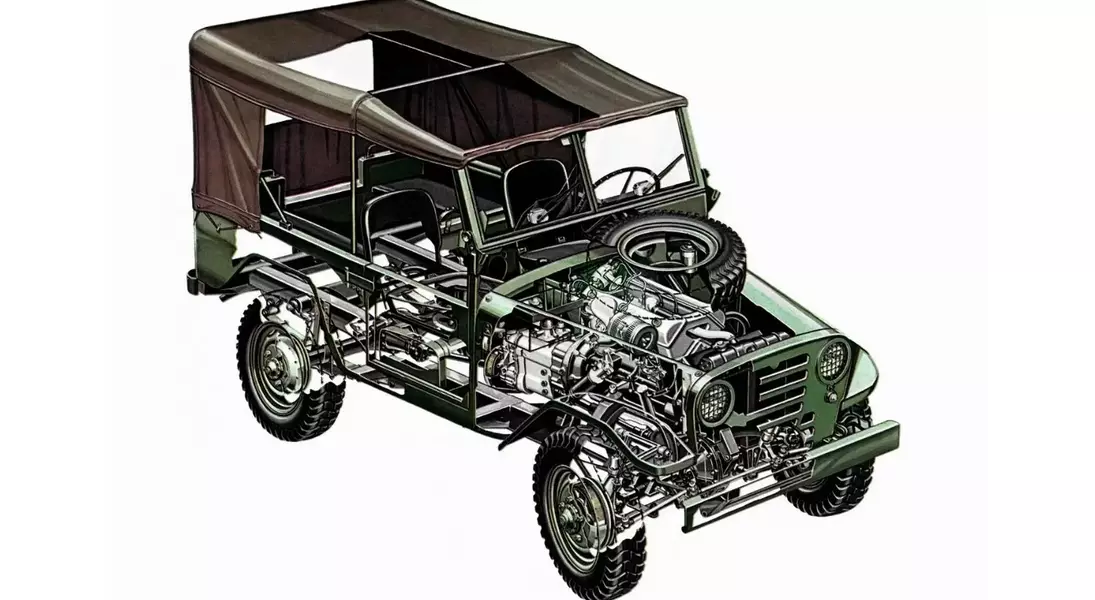
The Matta was engineered with impressive off-road capabilities, incorporating a 1.9-liter engine that delivered 64 horsepower and 90 lb-ft of torque, outperforming the Willys MB in power output despite its smaller displacement. Its sophisticated design included a dual-range gearbox to enhance its rock-crawling abilities and, remarkably, a double wishbone front suspension—a feature typically associated with high-performance sports cars rather than rugged military transport. Furthermore, it utilized a dry sump engine, a technology often found in motorsports, underlining Alfa Romeo's commitment to advanced engineering even in its utilitarian offerings.
A Brief but Significant Production Run
During its relatively short production period, fewer than 2,200 Alfa Romeo Mattas were manufactured. The vast majority, precisely 2,007 units, were produced for the Italian government and were internally designated as AR 51. A civilian version, known as the AR 52, was also available, though it was significantly rarer, with only 154 units ever built. This scarcity makes the civilian Matta a highly sought-after collector's item today, reflecting its unique position in Alfa Romeo's heritage.
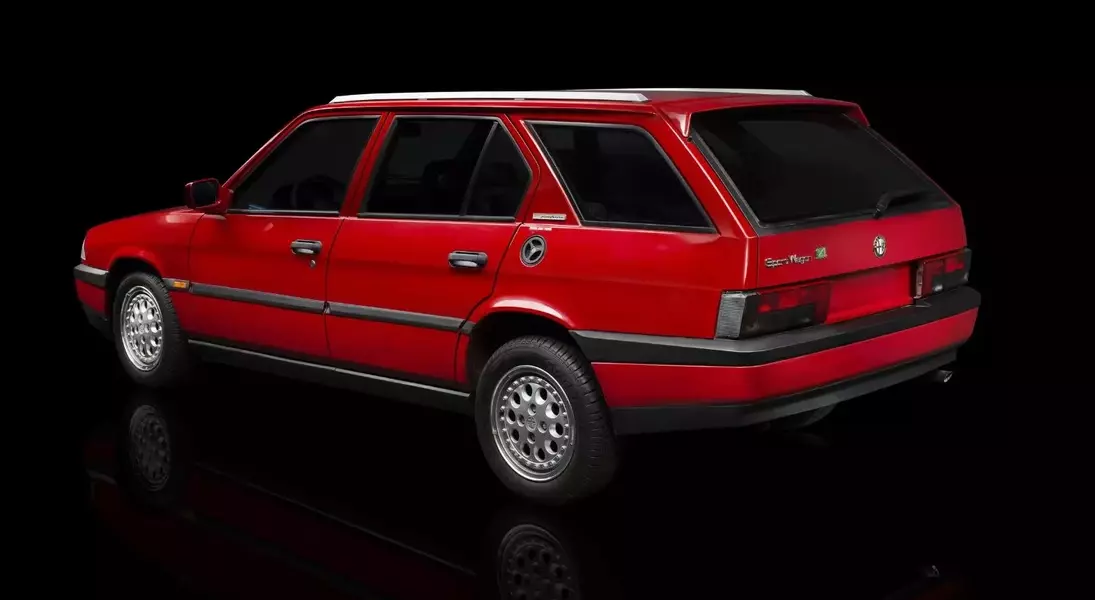
The Matta's service in the Italian military was cut short after 1954, as the government opted for the Fiat Campagnola as its preferred off-road vehicle. This decision was primarily driven by the Campagnola's simpler mechanical design, which included a front live axle and a more straightforward engine, making it easier and more economical to maintain in military applications. Alfa Romeo, with its more complex and refined engineering, found itself unable to compete on the grounds of simplicity and cost-effectiveness. Despite this, the Matta's legacy endured, paving the way for Alfa Romeo's subsequent forays into four-wheel-drive and all-wheel-drive systems, including models like the 33 4x4 in the 1980s and the later Q4 variants of the Giulia, Stelvio, Tonale, and Junior.
