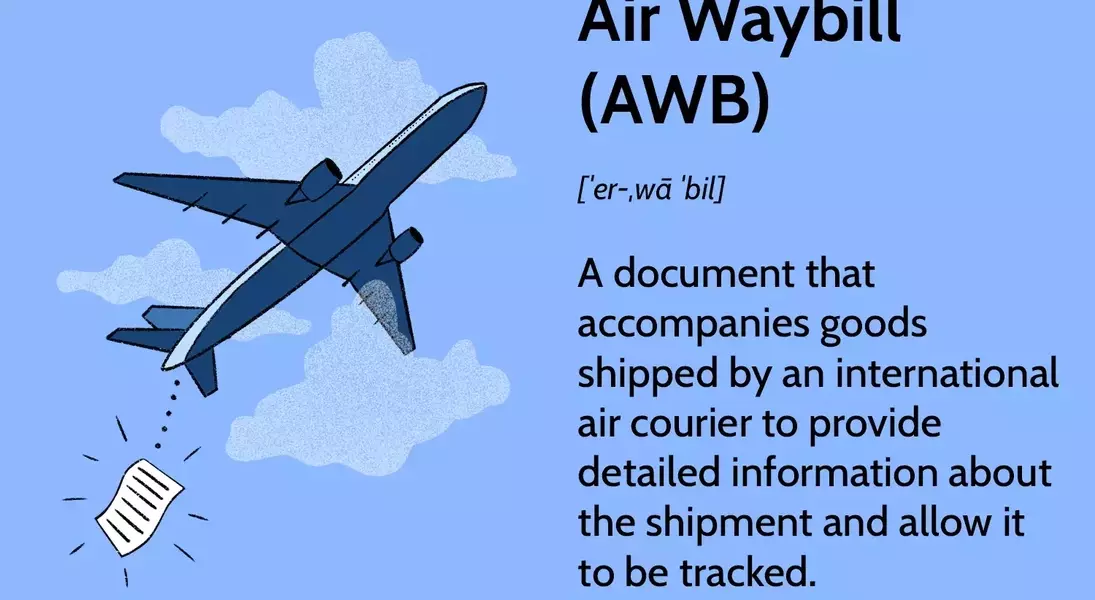
When shipping goods internationally by air, an Air Waybill (AWB) serves as a critical document. This non-negotiable contract between the sender and the air carrier outlines vital information such as the shipper’s and recipient’s details, flight itinerary, description of the goods, and all applicable fees. Unlike a bill of lading, an AWB is solely for transportation purposes and does not convey ownership of the goods. Since 2019, the industry standard has largely shifted to the electronic Air Waybill (e-AWB), which has significantly streamlined the air cargo process, making it faster, more precise, and environmentally friendly. This digital transformation simplifies the exchange of information, replacing traditional paper documents with electronic data.
AWBs are fundamental to international air freight, acting as both a receipt for the goods and a legally binding agreement for their transport. This document comes into legal effect once both the shipper (or their authorized representative) and the carrier (or their agent) affix their signatures. Key information included on an AWB comprises the names and addresses of both the sender and the receiver, the three-letter codes for the origin and destination airports, the declared value of the shipment for customs, the number of packages, total weight, a comprehensive description of the items, and any specific handling instructions (e.g., “perishable”). The International Air Transport Association (IATA) is responsible for providing the standardized AWB forms, which delineate the carrier’s terms and conditions, including liability limitations and claims procedures.
The shift to e-AWBs, first introduced in 2010 and becoming the default for most air cargo shipments on enabled trade lanes by 2019, has revolutionized the industry. These digital documents, available through IATA and major carriers like FedEx and UPS, retain the same structure and content as their paper predecessors but offer enhanced efficiency and environmental benefits. Each AWB is uniquely identified by an 11-digit number and, in its traditional paper format, consisted of eight colored copies. The adoption of e-AWBs eliminates the need for these physical copies, further simplifying logistics and ensuring smoother compliance with global shipping regulations.
The evolution of the Air Waybill from a paper document to an electronic format reflects a broader trend towards digitalization and efficiency in global logistics. By embracing modern solutions, the air cargo industry continues to enhance its operations, contributing to faster, more secure, and sustainable international trade. This commitment to innovation not only benefits shippers and carriers but also supports global commerce by facilitating the seamless movement of goods across borders.
