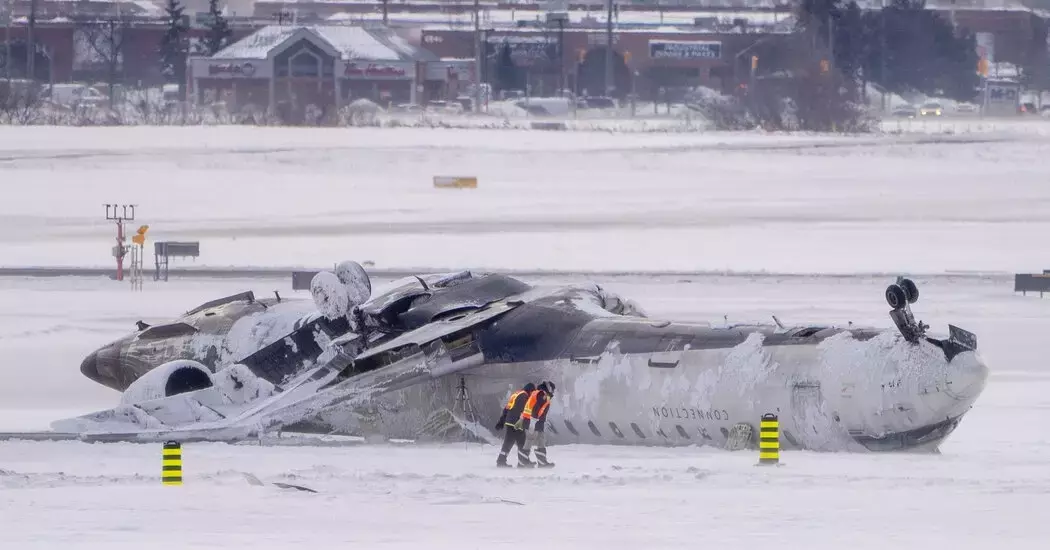
Recent aviation incidents have heightened passenger anxieties, leading to widespread discussions about the safety of air travel. Despite these concerns, experts reassure that flying remains one of the safest modes of transportation. They provide practical advice on how passengers can enhance their safety during flights. Over the past two months, several unusual accidents across different countries have raised questions about aviation safety standards. The rapid circulation of incident footage online has further intensified travelers' fears, particularly among those already wary of flying.
Understanding Passenger Anxiety in Modern Air Travel
Travelers are increasingly expressing heightened levels of anxiety due to recent aviation incidents. These events have not only shaken public confidence but also amplified existing fears. Many passengers feel a loss of control and trust in the industry, especially when they are unaware of what is happening during their flight. This uncertainty can be particularly distressing for individuals who already experience fear or discomfort while flying.
Jaimee Rindy, a resident of Atlanta, exemplifies this growing concern. She mentions that her apprehension towards flying has escalated over the past few months. "It's challenging to feel secure when you're entirely at the mercy of forces beyond your control," she explains. "The most unsettling aspect is the erosion of trust in an industry that should inspire confidence." Passengers like Jaimee find it difficult to maintain peace of mind, knowing that they cannot fully comprehend or influence the situation while airborne. This emotional strain underscores the need for better communication and transparency from airlines to rebuild passenger trust.
Evaluating Aviation Safety and Passenger Preparedness
The series of recent accidents has prompted a closer examination of aviation safety protocols. While these incidents are still under investigation, they span multiple countries and involve various types of aircraft. Experts emphasize that large commercial airplanes adhere to the strictest safety regulations, ensuring a high level of security for passengers. However, smaller private planes may not meet the same stringent requirements, which can lead to differences in safety outcomes.
Despite the alarming nature of recent events, experts maintain that flying remains statistically safer than many other forms of transportation. They advise passengers to familiarize themselves with emergency procedures and follow all safety instructions provided by the airline. Simple actions such as wearing seatbelts, paying attention to safety briefings, and staying informed about the aircraft's features can significantly enhance personal safety. Additionally, maintaining calm and following crew instructions during emergencies is crucial. By adopting these practices, passengers can take proactive steps to ensure their well-being while traveling by air.
