
In an era where generative artificial intelligence blurs the lines between reality and simulation, the gaming industry finds itself navigating an increasingly skeptical audience. This distrust has led Urban Games, the developer behind the forthcoming tycoon simulation *Transport Fever 3*, to significantly alter its game's visual design. Following beta testing, players expressed concerns that the game's meticulously crafted character models bore an unsettling resemblance to AI-generated imagery, prompting the studio to undertake a comprehensive artistic overhaul to distance itself from the controversial technology.
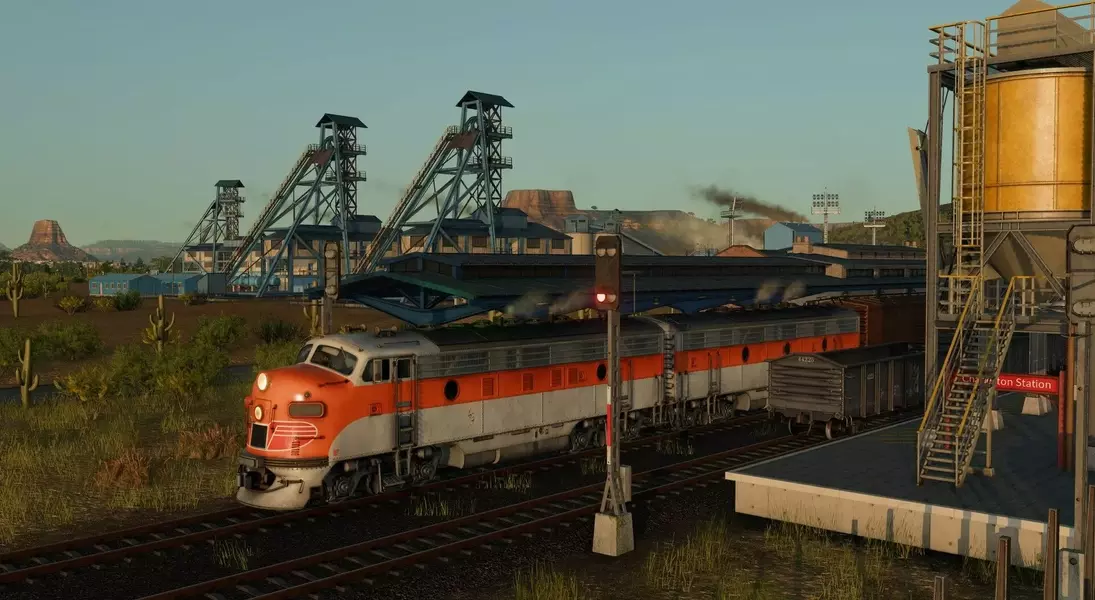
Scheduled for a 2026 release, *Transport Fever 3* is poised to immerse players in the intricate world of infrastructure development. The game challenges individuals to construct and optimize transportation networks for bustling cities, managing everything from public transit to industrial supply chains. It features a top-down perspective for strategic planning but also incorporates fully voiced characters who assign tasks and enrich the game's human element. Players can observe detailed city life, watching virtual inhabitants utilize the very transportation systems they've meticulously designed.
During a recent preview event for press and influencers, the initial reaction to the game's character designs was unexpectedly negative. A reporter from PC Gamer described feeling a sense of "revulsion" when observing the characters, attributing it to their glossy, unnervingly perfect appearance. This sentiment, echoed by other beta testers, prompted Urban Games to confront the uncomfortable reality of pervasive AI skepticism within the gaming community.
Despite the studio's firm stance that all art in *Transport Fever 3* is original and hand-drawn, the feedback proved too significant to ignore. Nico Heini, Urban Games' publishing manager, explicitly stated the studio's commitment to avoiding any AI-related stigma. "This is something that is very important to us that this gets addressed, because we don't want any results of AI in our game at all," Heini emphasized. This commitment underscores a broader trend in the industry, where player aversion to AI-generated content can significantly impact a game's reception, even when the technology is not actively employed.
The current climate surrounding AI in video games is highly charged. While some developers have experimented with generative AI, others have faced considerable backlash, leading to scrapped projects and revised strategies. This phenomenon, often dubbed "AI slop," has fueled a collective player sentiment that prioritizes human creativity and artistic integrity. Beyond aesthetic concerns, the ethical implications of AI, including its environmental impact and potential to drive up costs, further complicate its integration into the gaming ecosystem.
While *Transport Fever 3* was still in its beta phase, some adjustments to the final product were inevitable, as is common in game development. Early footage also indicated areas needing refinement, such as stiff animations. However, the decision to rework character art solely to counter the perception of AI usage highlights the extreme sensitivity and widespread concern surrounding artificial intelligence. This situation reveals a critical juncture in the gaming industry, where developer choices are increasingly scrutinized through the lens of AI, forcing studios to adapt their artistic approaches to align with public expectations and alleviate anxieties, even when their intentions are pure.
