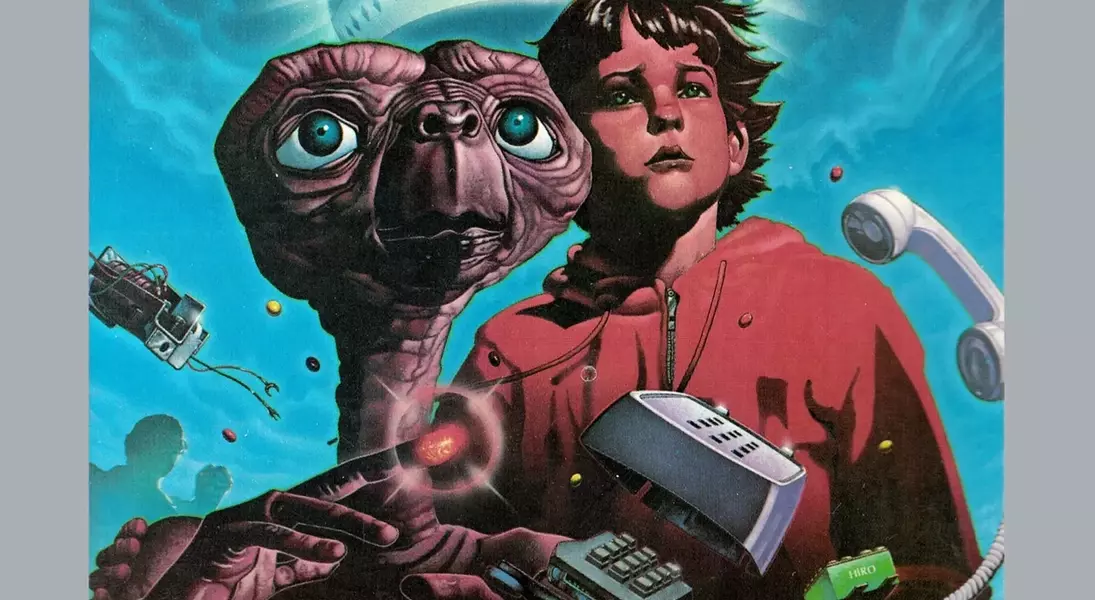
The video game landscape is currently experiencing a significant shift with the proliferation of AI-generated content, prompting veteran developers to draw comparisons to past industry crises. Digital distribution platforms are grappling with an influx of AI-assisted games, making content discovery increasingly difficult. Howard Scott Warshaw, the creative mind behind Atari's "E.T. the Extra-Terrestrial" and other classic titles, observes striking similarities between the present situation and the circumstances leading to the 1983 video game market collapse. He recalls a period when the market was saturated with an abundance of subpar games, overshadowing quality titles and creating widespread consumer disillusionment, a scenario he believes is now re-emerging due to the accessibility of AI development tools.
While AI accelerates game creation, leading to a surge in quantity, its ultimate impact on industry quality and structure remains a subject of debate among experts. Warshaw acknowledges that AI technologies drastically reduce development timelines, potentially enabling a broader range of creators to realize their game concepts. However, he cautions that this ease of creation will inevitably result in a greater volume of unpolished and uninspired games, given that innovation often requires more than just accessible tools. Despite these parallels, Warshaw doesn't foresee a complete market collapse but rather a necessary restructuring, advocating for more sophisticated filtering mechanisms to distinguish exceptional content from the mediocre. The author further emphasizes that genuine artistic mastery and the iterative creative process are crucial elements that cannot be bypassed by technology, highlighting that true innovation stems from a deep engagement with development, rather than merely generating ideas.
The surge in AI-assisted game submissions is already creating operational challenges for platform holders, necessitating a re-evaluation of content curation and market dynamics. The practical implications of this AI-driven surge are already evident, with platforms like Steam experiencing significant backlogs in game approval processes. Although specific causation isn't always explicitly stated, the concurrent rise in AI tool usage and submission delays suggests a direct correlation. This situation underscores the urgent need for robust strategies to manage the vast volume of incoming titles. Ultimately, the industry faces a critical juncture where the focus must shift towards fostering genuine creativity and ensuring that discovery systems effectively highlight high-quality experiences, preventing a race to the bottom driven by sheer quantity.
This evolving landscape, while presenting immediate challenges, also offers a unique opportunity for the video game industry to refine its values and processes. By embracing thoughtful curation and empowering true artistry, developers and platforms can navigate this technological shift to foster an environment where innovation flourishes. It encourages a renewed appreciation for meticulous design, compelling narratives, and engaging gameplay, reinforcing that technology serves as a powerful tool to amplify human creativity, not replace it. This period of transformation can lead to a more discerning market, rewarding authenticity and pushing the boundaries of interactive entertainment to new, exciting heights.
