The integration of artificial intelligence into hardware design is rapidly advancing, with AI tools now demonstrating significant capabilities in areas like 3D printing. This article highlights a notable achievement where an AI successfully designed a functional rack for laptop components, showcasing its potential to transform prototyping and manufacturing processes.
Revolutionizing Hardware Design with Intelligent Automation
AI's Surprising Dexterity in Hardware Housing Creation
While some remain cautious about the broader applications of artificial intelligence, its utility in specific domains like 3D printing hardware enclosures is proving to be genuinely innovative. The ability of AI to conceptualize and prepare designs for physical fabrication marks a significant leap in efficiency and precision, moving beyond mere theoretical ideation.
The Genesis of an AI-Designed Mainboard Rack
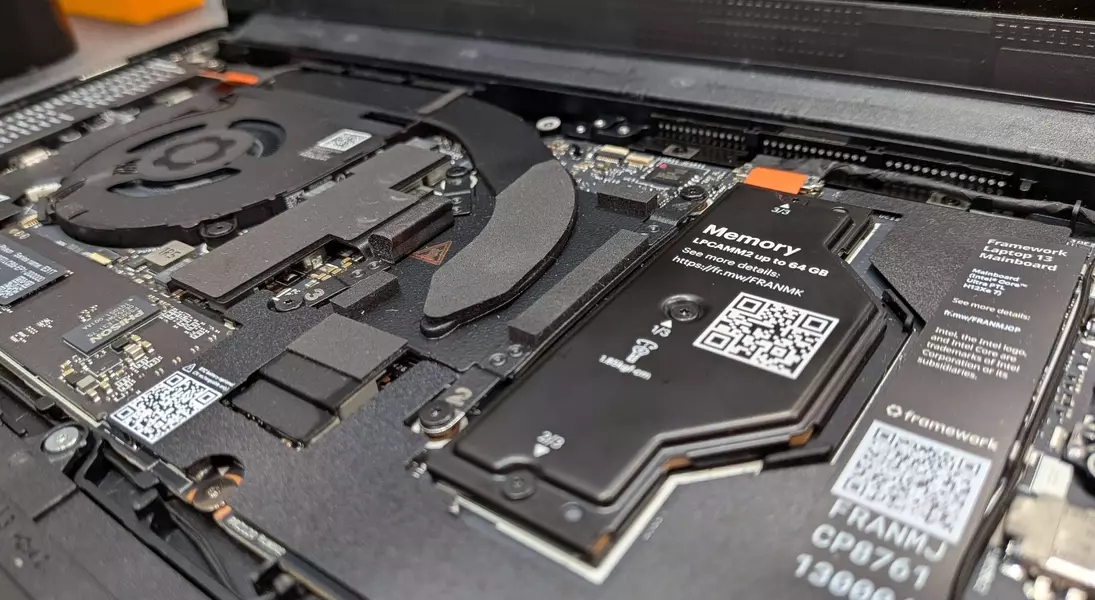
David Soria Parra, a key member of the technical team at Anthropic, successfully employed Claude Fable to generate the design for a three-tiered rack intended for 13-inch Framework laptop mainboards. These mainboards, which are the core processing units of Framework laptops, can be purchased independently or repurposed from existing devices, often for advanced multi-PC configurations or server applications.
The AI-Powered Design Process: From Concept to Print
Parra's endeavor began in early June, involving the AI's use of Fusion 360, a sophisticated design software by Autodesk. The AI interfaced with Fusion 360 via an "MCP server," enabling safe and effective communication. This setup allowed the AI to autonomously research necessary dimensions and develop a comprehensive design.
Iteration and Precision: The AI's Refinement Journey
The transition from AI concept to physical product was remarkably direct, described by Parra as "straight from Claude to printing." Although the initial AI-generated model required a couple of iterations to perfect, the final output included a Fusion file and STL files for each component, making it instantly ready for 3D printing. Furthermore, the AI thoughtfully compiled a complete bill of materials, detailing all necessary parts for assembly.
Optimized Design: Incorporating Thermal Management
The culminating design effectively houses three Framework mainboards within a 3D-printed structure. A notable feature of the AI's design is the inclusion of strategically placed cutouts for heatsinks and sufficient clearance for heat pipes, demonstrating an understanding of critical thermal management requirements. The practical performance of this AI-generated housing, particularly concerning temperature regulation, will be a key factor in its long-term viability. Nevertheless, for individuals who, like the author, are cautious about AI and lack design expertise, this project stands out as a compelling example of AI's practical benefits, offering a glimpse into a future where complex hardware solutions are readily accessible.
