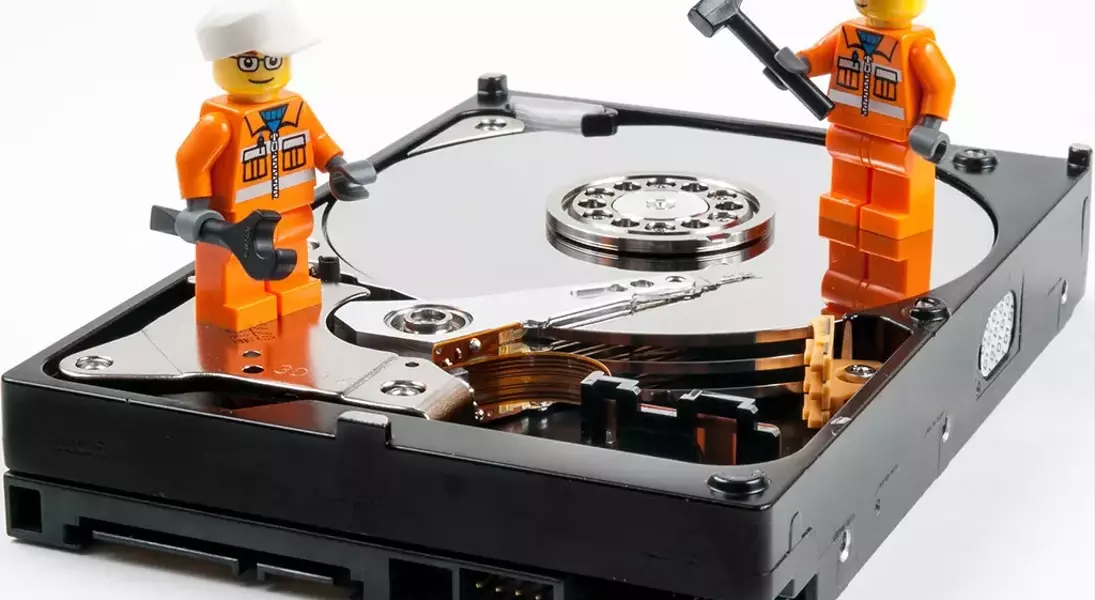
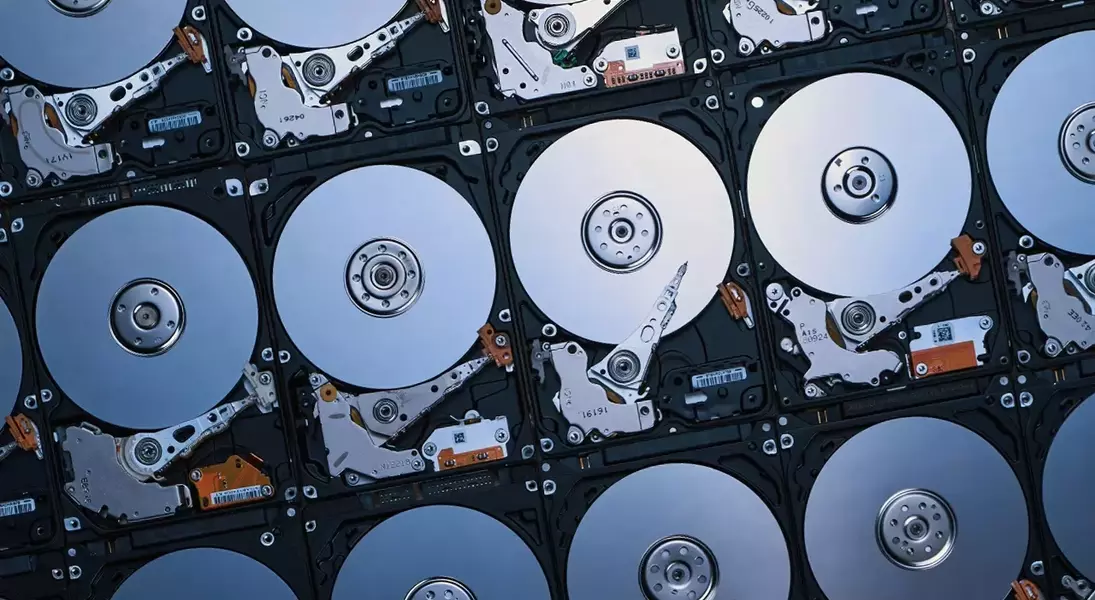
Despite a notable improvement in the reliability of traditional hard disk drives (HDDs), their availability for general consumers is facing an unprecedented challenge. A recent analysis highlights a decrease in HDD failure rates, suggesting enhanced durability for these storage devices. However, the burgeoning demand from the artificial intelligence sector, particularly from major tech corporations, has led to a significant pre-allocation of manufacturing capacity. This situation indicates that while HDDs are becoming more robust, they may soon be difficult for the average buyer to acquire, raising concerns about future storage options.
The intensifying competition for HDD supply due to AI infrastructure development means that consumers might struggle to find affordable storage solutions. This market shift not only affects the availability of current HDD models but also potentially delays the introduction of new, more advanced HDD technologies for personal use. The evolving landscape of data storage, driven by AI's insatiable need for capacity, reshapes market dynamics, pushing conventional storage solutions out of reach for many.
Enhanced Durability and Market Scarcity of HDDs
A comprehensive report from Backblaze reveals encouraging statistics regarding the dependability of hard disk drives, noting a reduction in the annual failure rate across a vast array of units. This suggests that the enduring technology of HDDs continues to evolve, offering greater stability for data storage. Historically, HDDs have been the backbone of large-scale data retention, proving their worth in rigorous environments such as cloud servers, where they operate continuously under demanding conditions. The decline in failure rates from previous years underscores ongoing advancements in manufacturing and design, making these devices more trustworthy than ever before.
However, this positive trend in reliability is juxtaposed with a concerning development in market supply. Major manufacturers, including Western Digital, are reporting that their production capacities for the foreseeable future are almost entirely reserved. This unprecedented demand surge is primarily attributed to the explosive growth of artificial intelligence, which requires massive data storage facilities. As a result, the bulk of available HDDs are being directed towards large-scale AI data centers, leaving a drastically limited supply for the broader consumer market. This effectively creates a shortage, making it challenging for individual users and smaller businesses to purchase new hard drives, regardless of their improved reliability.
The Impact of AI Demand on Consumer Storage Options
The aggressive acquisition of hard drive stock by AI industries is fundamentally reshaping the availability of storage hardware for consumers. With key manufacturers like Western Digital committing nearly all their production output to a select group of major technology companies for the next few years, the consumer market is left with dwindling options. This trend is driven by AI's immense need for data accumulation and processing capabilities, which necessitates vast quantities of high-capacity storage, predominantly supplied by HDDs due to their cost-effectiveness per terabyte compared to SSDs.
This market shift has significant implications for individuals and small to medium-sized businesses. As SSD prices remain relatively high for large capacities, HDDs traditionally offered a more economical solution for bulk storage. However, with the current supply constraints, even this cost-effective alternative is becoming scarce. The diminished availability means that consumers looking to upgrade or expand their storage will face increased difficulty in finding suitable HDD products, potentially at inflated prices. This situation compels a reevaluation of storage strategies for personal computing, highlighting a future where general access to traditional, large-capacity storage might become a luxury rather than a given, profoundly influenced by the insatiable demands of artificial intelligence development.
