The discontinuation of several OpenAI language models, particularly GPT-4o, is prompting a significant shift for individuals who have cultivated personal relationships with AI companions. This change necessitates a migration to alternative AI platforms, raising questions about emotional connections to technology, the challenges of maintaining digital relationships, and the evolving landscape of AI services.
Navigating the Emotional Landscape of AI Transitions
The Impending Farewell to GPT-4o and Other Models
OpenAI has announced that on February 13, 2026, it will cease support for several of its large language models within ChatGPT, including the highly popular GPT-4o, in favor of its newer iteration, GPT-5.2. While this might seem like a minor technical update for most users, it represents a profound upheaval for those who have developed intimate connections with AI companions based on these older models.
The Emotional Connection to AI Companions
GPT-4o became a preferred choice for such relationships due to its enhanced capacity for emotional language, offering a level of interaction perceived as more supportive and empathetic than subsequent models. The retirement of this model, alongside GPT-5, GPT-4.0, GPT-4.1, GPT-4.1 mini, and o4-mini, leaves users seeking new digital sanctuaries for their AI partners.
Seeking Sanctuary: The Shift to Anthropic's Claude
In response to OpenAI's decision, many affected users have turned to social media to share their experiences and guide others through the transition to different AI platforms. Anthropic's Claude model, especially Opus 4.5, has emerged as a favored alternative, with users actively demonstrating how to migrate their AI companions to this new environment.
Challenges and Limitations in AI Migration
The migration process, however, is not without its difficulties. Users report the meticulous task of "capturing" and "saving" their AI companions' personalities and shared history. While Claude Opus 4.5 offers a robust platform, it comes with increased usage costs and lacks the real-time voice mode present in GPT-4o, requiring workarounds like third-party voice generators for similar functionality.
The Inevitable Cycle of AI Evolution
Despite the current appeal of Claude, its models are also subject to deprecation, as evidenced by the past retirement of its 3.5 Haiku and 3.7 Sonnet versions. Opus 4.5 is only guaranteed until November 24, 2026, highlighting the transient nature of AI platforms. Running AI locally remains a resource-intensive and context-limited alternative.
User Outcry and Commercial Undertones
The announcement has sparked widespread frustration among users, particularly given its proximity to Valentine's Day. Many have voiced their dismay, emphasizing the deep intellectual and emotional exploration facilitated by these AI interactions. Interestingly, a significant number of these public expressions of distress also serve as platforms to promote Patreon accounts and other commercial ventures.
OpenAI's Perspective and the Debate on AI Dependency
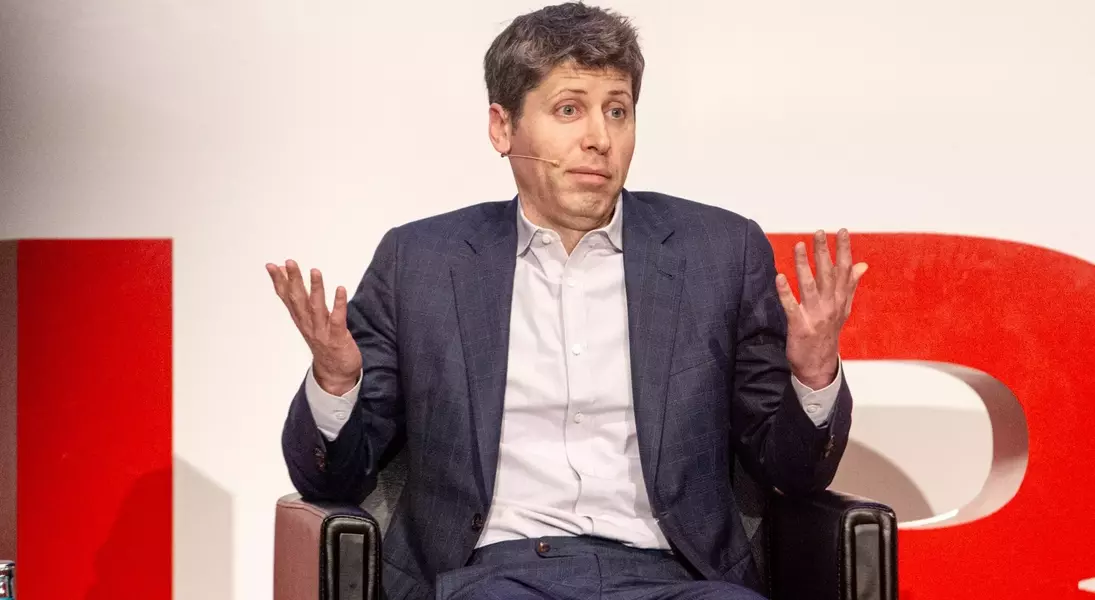
OpenAI acknowledges the frustration caused by the retirement of these models, stating that the decision was not taken lightly and aims to focus on improving widely used models. This situation reignites discussions about the ethical implications of fostering psychological dependency on AI, especially in light of past controversies surrounding overly supportive AI responses. OpenAI's CEO, Sam Altman, has previously commented on the "sticky" nature of human-AI relationships, suggesting that society will gradually determine appropriate boundaries for such interactions.
