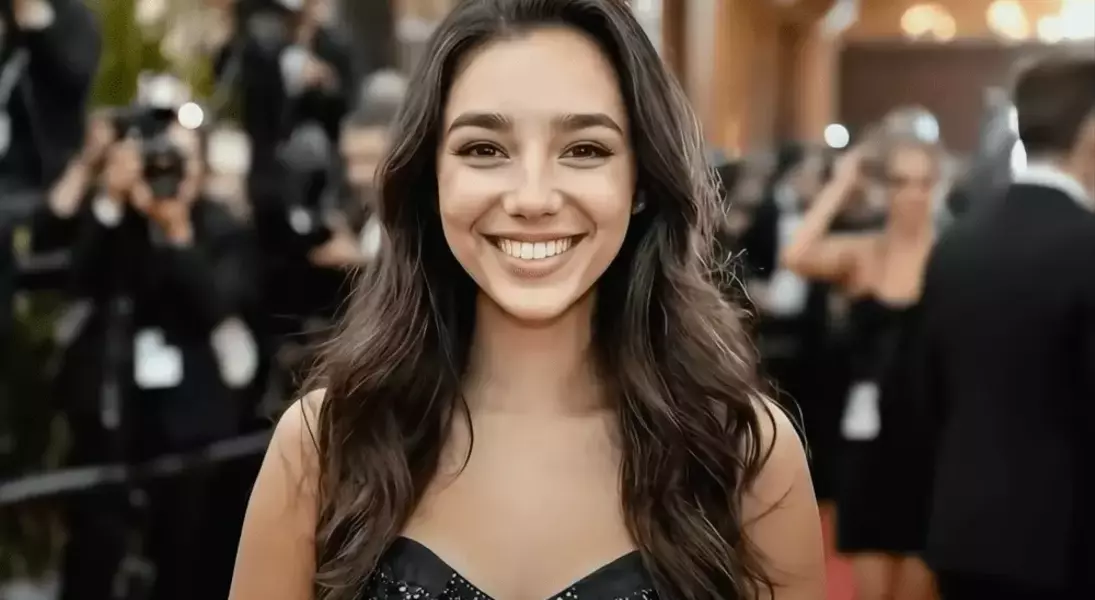
The debut of a film featuring the artificial intelligence performer Tilly Norwood has once again brought to the forefront significant discussions within the entertainment sector. This development has triggered a wave of reactions, ranging from apprehension about the displacement of human talent to calls for clear ethical guidelines concerning AI's integration into creative processes. The core of the debate centers on the origins of AI performances and the potential implications for intellectual property and fair compensation for human artists.
Creators of AI tools argue for the innovative potential of artificial intelligence, presenting it as a means to explore new artistic frontiers and enhance production efficiencies. However, labor unions and professional associations representing writers, directors, and actors voice strong objections, emphasizing the necessity of protecting human contributions. They advocate for transparency, explicit consent, and equitable remuneration when human work is utilized in developing AI-generated content, highlighting fears of unacknowledged appropriation and exploitation of artistic labor.
The Ethical Quandary of AI in Performance Arts
The introduction of films starring AI entities like Tilly Norwood has ignited a firestorm of ethical questions across Hollywood. Commentators and industry professionals are intensely scrutinizing the very concept of an AI "actor" leading a major production, raising fundamental concerns about intellectual property rights and the potential for AI models to replicate human performances without proper attribution or financial recognition. This contentious issue underscores a growing divide between technological proponents, who see limitless creative possibilities, and traditional artists, who foresee a future where their work is undervalued or outright usurped by algorithms trained on their uncompensated efforts.
The dialogue extends beyond just the ethical implications, delving into the very definition of artistry and performance. While some view AI as a novel tool that can expand creative horizons, others contend that true artistic expression is intrinsically linked to human experience and emotion, something AI cannot genuinely replicate. This sentiment is particularly strong among unions such as Equity, which advocates for stringent regulations to ensure transparency and fair compensation. They argue that unchecked data scraping and the absence of clear frameworks for AI training data could lead to widespread theft and misuse of human artistic output, jeopardizing the livelihoods and creative integrity of performers across the globe.
Navigating AI's Impact on the Future of Entertainment
As AI continues to advance, its expanding role in the film industry prompts a critical examination of its long-term impact on employment and the creative ecosystem. While Particle 6, the studio behind Tilly Norwood, asserts its aim is to showcase AI's capabilities and equip industry professionals with new skills, many within Hollywood remain skeptical. Labor organizations, including those representing writers, directors, and performers, express a collective worry that the unchecked proliferation of AI in creative roles could lead to job displacement and a devaluation of human artistic contributions, pressing for robust safeguards to protect the interests of their members.
The conversation highlights a complex tension between embracing technological innovation and safeguarding human creativity and economic security. Leaders in the entertainment sector, such as Illumination CEO Chris Meledandri, voice a widespread sentiment of uncertainty regarding AI's ultimate trajectory and its potential to reshape established industry norms. They emphasize the enduring value of human imagination and the need for thoughtful, collaborative approaches to integrate AI responsibly, ensuring that technological progress complements, rather than diminishes, the irreplaceable artistry and expertise of human professionals. This ongoing debate reflects a crucial moment for Hollywood, as it grapples with defining the boundaries and ethical responsibilities in the evolving landscape of AI-driven entertainment.
