The United States Department of Agriculture's most recent crop assessment reveals a diverging trend in major agricultural commodities. While corn crops exhibit exceptional resilience, maintaining their peak quality for the season, soybean conditions have unexpectedly softened. Concurrently, the winter wheat harvest is progressing swiftly, approaching its final stages, underscoring a dynamic agricultural landscape with varied performance across key sectors.
This report highlights critical shifts in crop health and development, providing essential insights for market participants and agricultural stakeholders. The stability of corn quality suggests favorable growing conditions or effective management practices for this staple, contrasting with the challenges faced by soybeans. Such detailed evaluations are crucial for understanding supply outlooks and guiding future agricultural strategies.
Soybean Quality Experiences Unexpected Decline
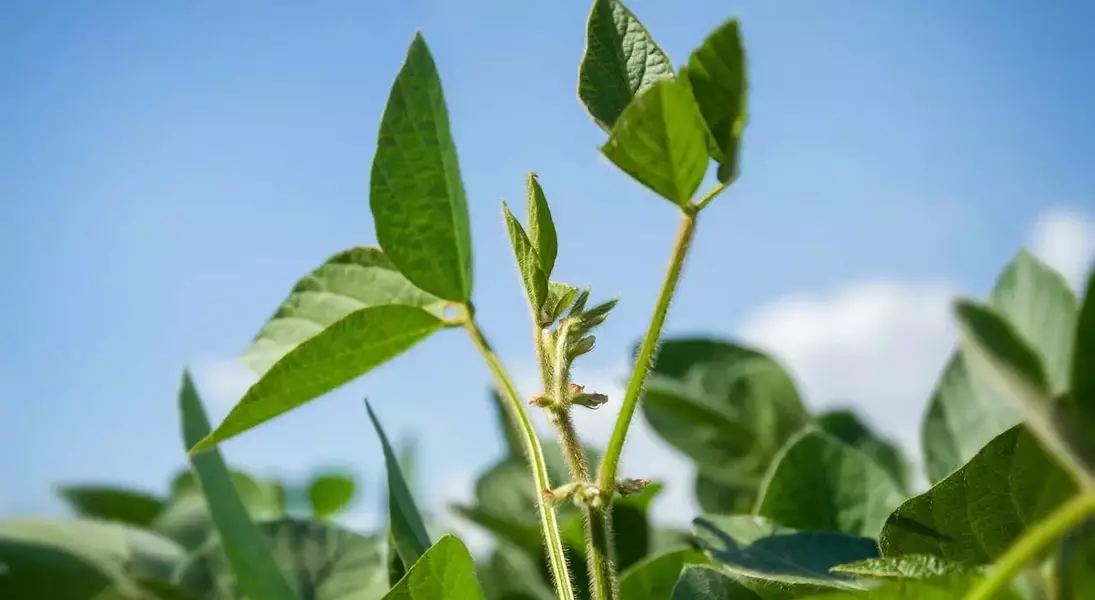
In a surprising development, the quality of soybean crops saw an unforeseen downturn last week, as indicated by the USDA's latest progress report. Contrary to analysts' predictions of a slight improvement, the percentage of soybeans rated in good-to-excellent condition decreased, signaling potential concerns for the harvest. This unexpected shift merits close attention from farmers and market observers alike, as it could influence future price trends and supply estimations.
The report specifies that only 68% of the soybean crop is now categorized as good or excellent, a reduction from previous expectations. While a quarter of the crop remains in fair condition, there was a notable two-point increase in the portion deemed poor or very poor. In terms of physiological development, 62% of soybeans are currently blooming, slightly lagging the five-year average, with 26% beginning to set pods, aligning with historical norms. This combination of declining quality ratings and a slightly slower blooming pace could present challenges for overall yields and necessitates ongoing monitoring of crop health in the coming weeks.
Corn Maintains Robust Health and Progress
Conversely, corn crops continue to demonstrate remarkable strength, with quality ratings holding firm and reaching levels not seen since 2016 for this period. The latest USDA figures show minimal fluctuations in corn health, reinforcing its promising outlook. This consistent high performance in corn stands as a strong counterpoint to the recent dip observed in soybean quality, painting a mixed but generally positive picture for the summer's principal grain harvests.
Despite minor variations, 74% of the corn crop maintains a good-to-excellent rating, with the good/excellent ratio adjusting slightly from 57/17 to 56/18. A steady 20% of the crop is rated fair, and only a modest one-point increase moves the poor or very poor category to 6%. Developmentally, over half of the corn (56%) has entered the silking stage, a significant jump from the previous week, nearing the five-year average of 58%. Furthermore, 14% of the crop has advanced to the dough stage, slightly ahead of the historical average, indicating healthy progression towards maturity. Meanwhile, the winter wheat harvest is largely complete, reaching 73% nationwide, marginally behind last year's pace but ahead of the five-year average, and spring wheat quality has slightly declined, with 52% in good-to-excellent condition.
